
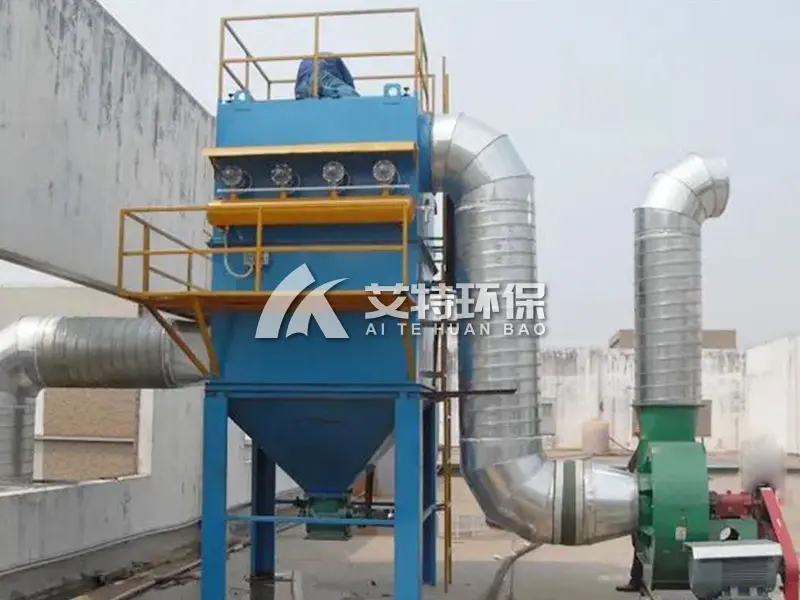
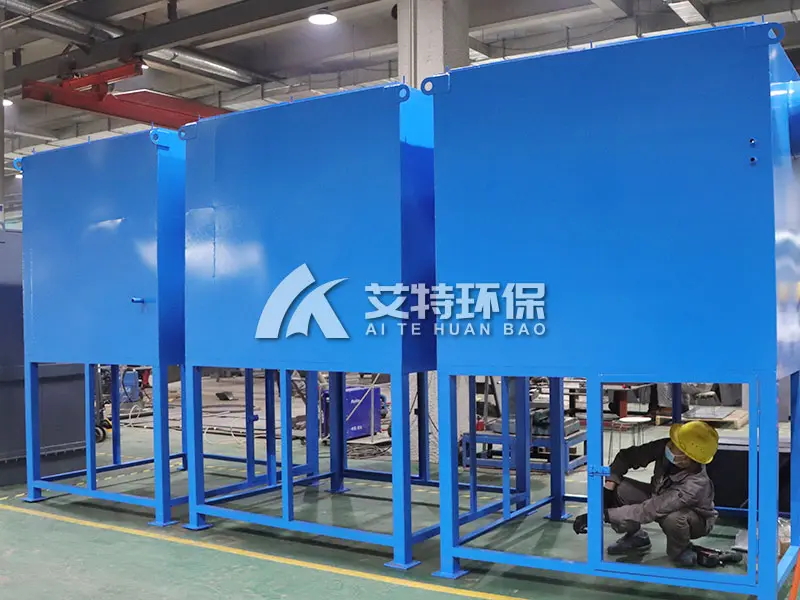
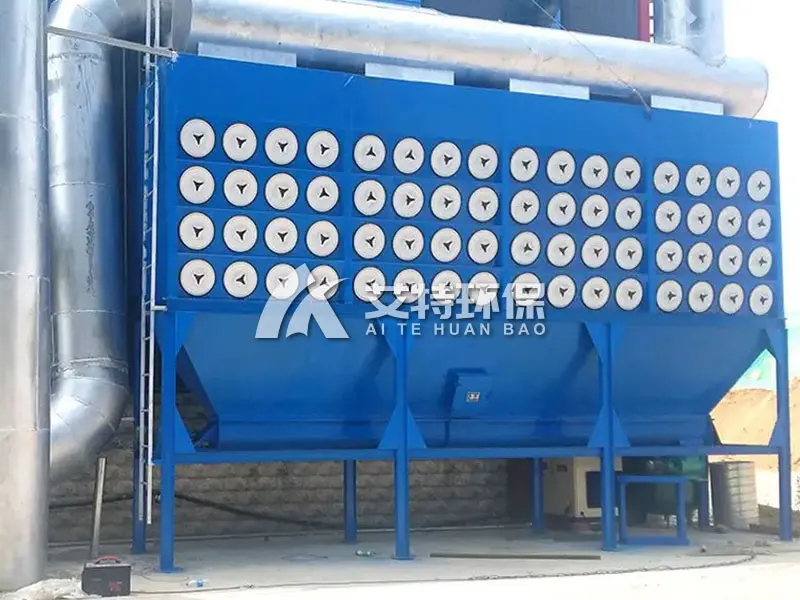
Cartridge dust collector A dust collector composed of a cartridge as a filter element or using a pulse jet
Product Overview
The cartridge dust collector is a high-efficiency industrial filtration system utilizing cylindrical filter cartridges as
the primary filtration media, typically employing pulse-jet cleaning technology for automatic dust removal.
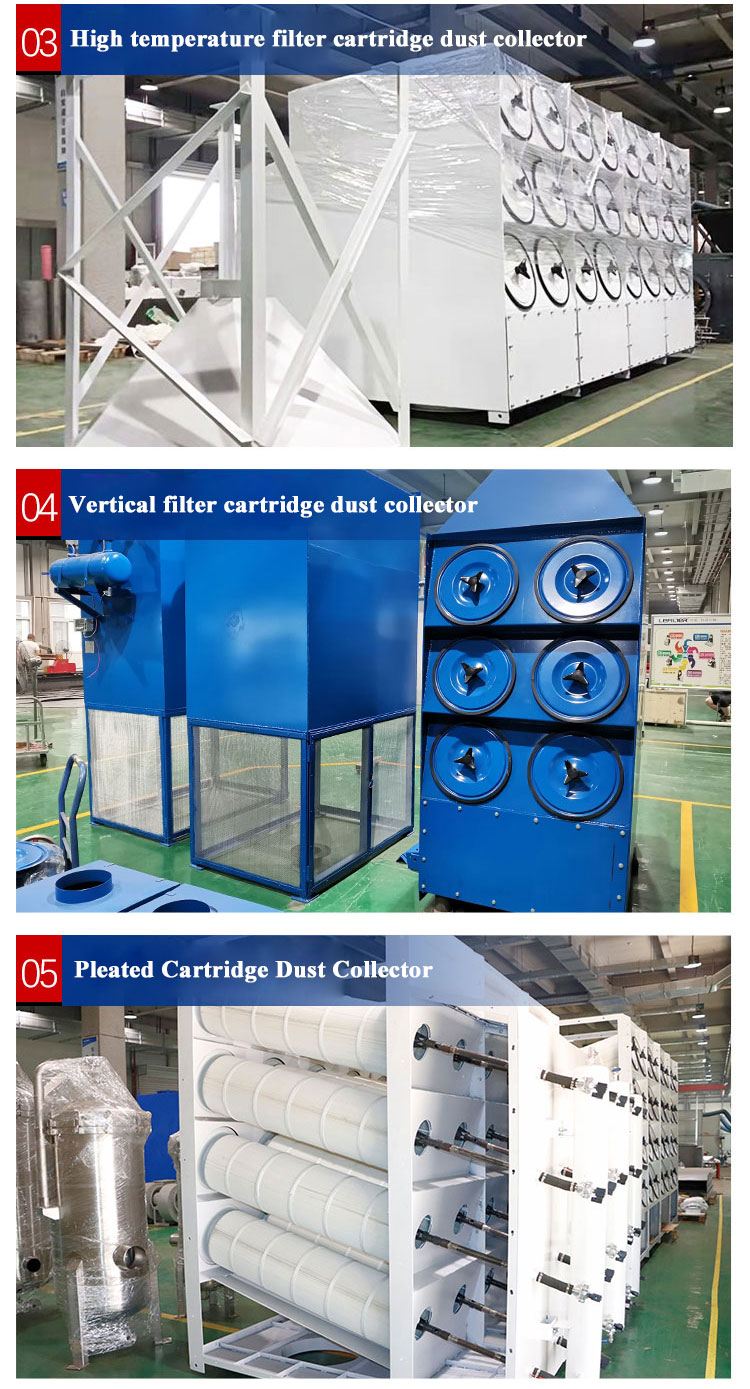
This advanced dust collection solution is available in multiple installation configurations—including inclined insertion,
side-mount, lifting, and top-loading types—to accommodate diverse site conditions and maintenance preferences.
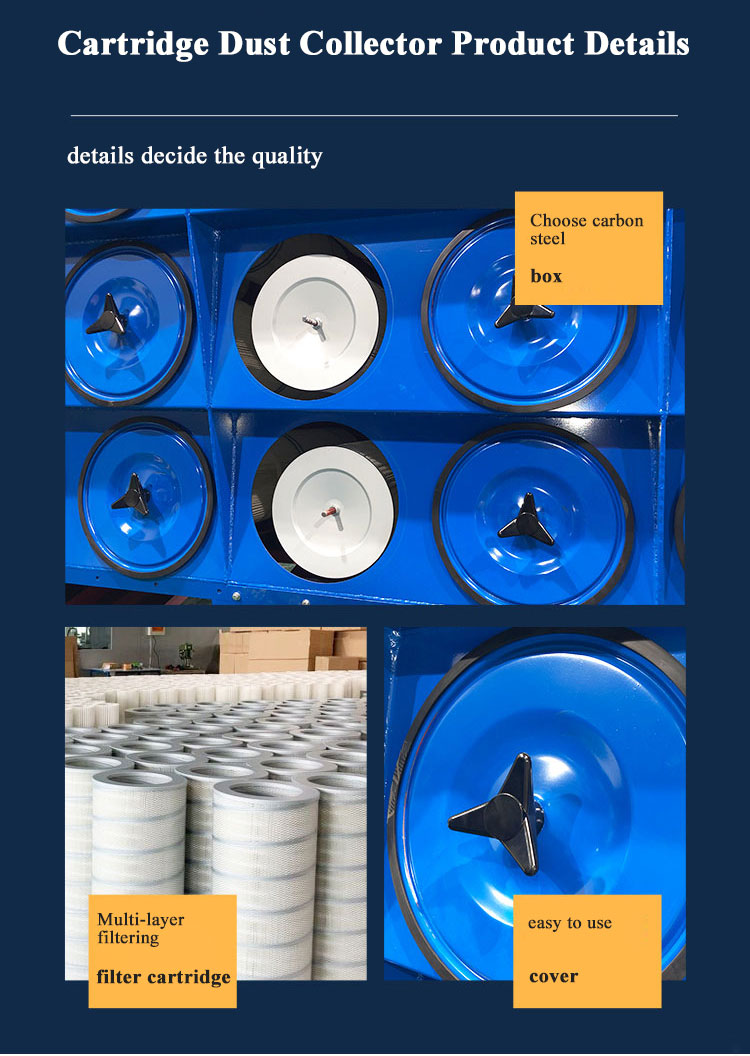
The filter cartridges themselves are available in a wide range of materials, including long-fiber polyester, composite fiber,
anti-static, flame-retardant, coated, and nano-fiber variants, allowing operators to select the optimal media for their
specific dust characteristics and operating environment.
Cartridge dust collectors have gained widespread adoption across industries due to their compact footprint,
high filtration efficiency, and reliable performance. Compared to traditional baghouse dust collectors,
cartridge systems offer greater dust-holding capacity per unit area, lower pressure drop, and more efficient pulse cleaning,
resulting in extended filter life and reduced energy consumption.
Performance Characteristics
(1) Compact Design and Space Efficiency
The cartridge dust collector features a significantly smaller footprint compared to conventional baghouse systems.
The vertical or horizontal cartridge arrangement maximizes filtration area within a minimal volume, effectively saving
valuable plant floor space. This compact design is particularly advantageous in retrofit applications where installation
space is limited.
(2) Flexible Ash Discharge Options
To accommodate various operational requirements, the system can be equipped with multiple ash discharge configurations,
including standard ash hoppers, ash removal trucks, screw conveyors, and rotary airlock discharge devices.
This flexibility ensures seamless integration with existing material handling systems.
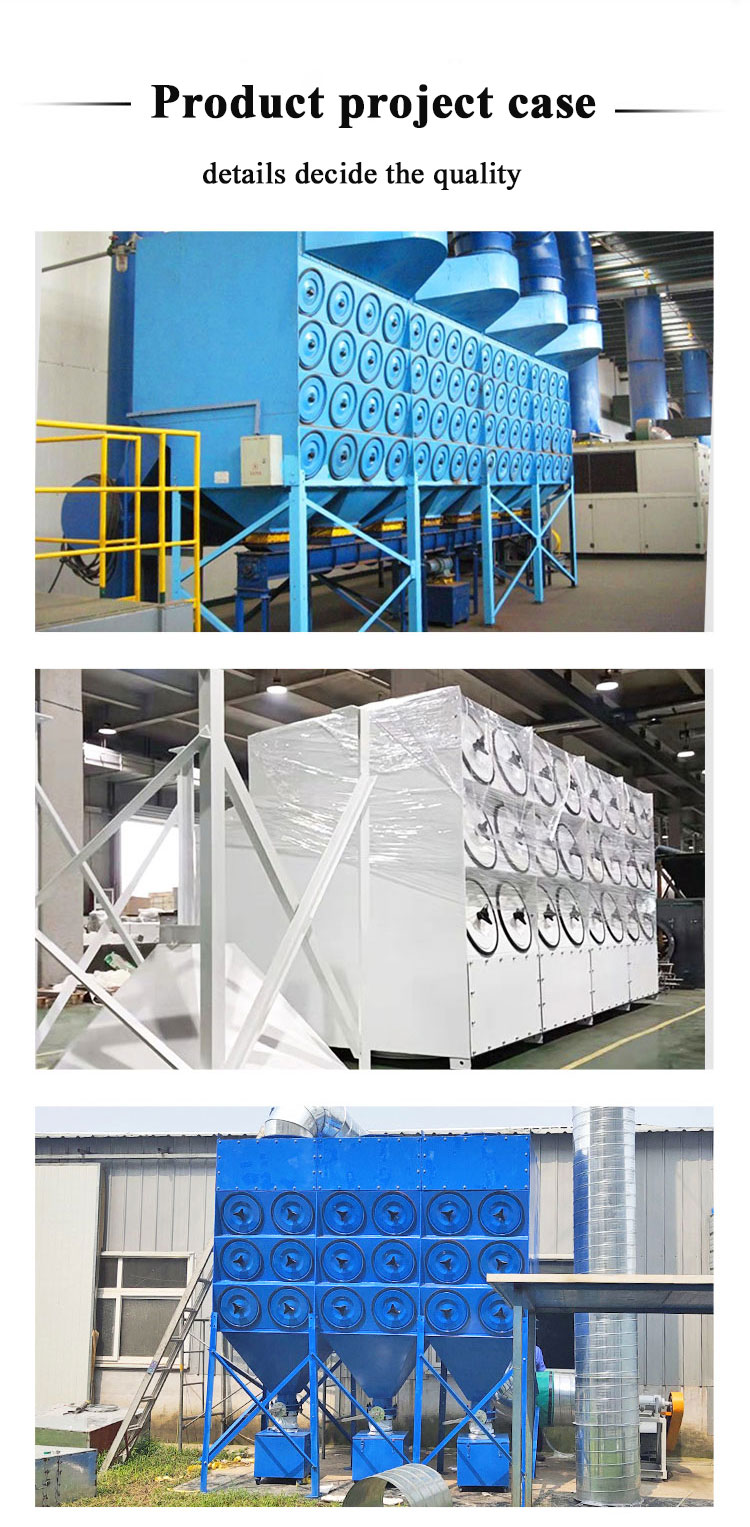
(3) Modular Box-Type Construction
The flexible box-type combined unit module design allows for customized configurations to meet different site conditions
and capacity requirements. Modules can be added or removed as production needs change, providing scalability and
investment protection.
(4) Advanced Pulse-Jet Cleaning Control
The system utilizes an imported PLC (Programmable Logic Controller) for precise control of adjustable pulse blowback cycles.
A differential pressure display instrument provides real-time monitoring of filter condition, enabling predictive maintenance
and optimizing cleaning intervals. The pulse control system can be programmed to initiate cleaning based on time intervals
or differential pressure setpoints.
(5) Horizontal Cartridge Placement and Easy Maintenance
The horizontal placement of filter cartridges, combined with individual cover access, ensures convenient maintenance and
inspection. Operators can access each cartridge individually without disturbing adjacent units, minimizing downtime and
reducing exposure to collected dust.
(6) Superior Filtration Efficiency
The cartridge dust collector achieves a purification efficiency exceeding 99% for dust particles larger than 1 micron.
This exceptional efficiency ensures compliance with strict emission standards and protects downstream equipment.
Working Principle
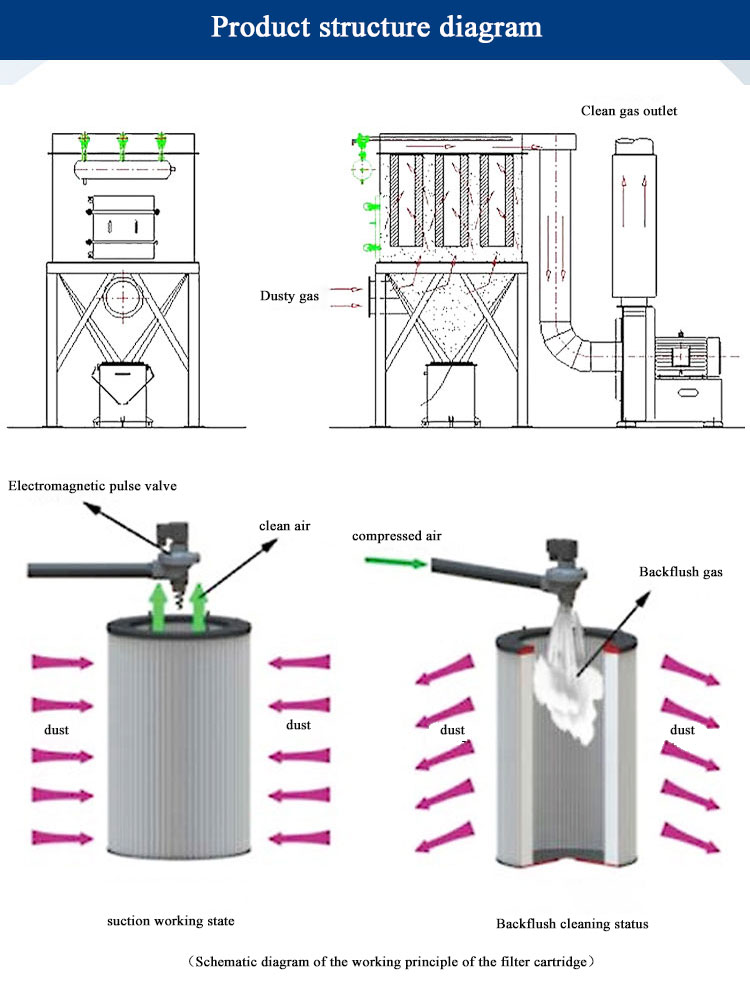
The cartridge dust collector operates on a well-established filtration mechanism combining multiple particle capture
principles:
Dust-Laden Gas Entry and Particle Separation: Dust-bearing gas enters the dust collector housing through the inlet.
As the airflow cross-section suddenly expands, the gas velocity decreases significantly. This deceleration, combined with
gravity and inertial forces, causes some coarse and heavy particles to settle directly into the ash hopper without reaching
the filter cartridges.
Filtration Through the Cartridge Media: Fine dust particles with smaller size and lower density are carried into the filter
chamber. As the gas passes through the filter cartridge media, dust particles are deposited on the surface through a
combination of Brownian diffusion, inertial impaction, direct interception, and electrostatic attraction (for appropriate
media types). The purified, clean gas then passes through the cartridge wall into the clean air chamber and is discharged
through the outlet via the induced draft fan.
Pulse-Jet Cleaning Mechanism: To maintain filtration efficiency, the accumulated dust layer on the cartridge surface must
be periodically removed. The cleaning system utilizes compressed air to generate a strong, high-velocity airflow. This air
is released through electromagnetic valves into the center of each filter cartridge in sequence. The sudden burst of
compressed air creates a shock wave that travels outward through the cartridge, violently shaking and blowing the
accumulated dust off the surface. The dislodged dust falls into the ash hopper below for collection and disposal.
Programmed Cleaning Cycle: To ensure continuous operation without interruption, the pulse control system is programmed
to sequence the cleaning of individual cartridges or rows of cartridges. This "online" cleaning allows the system to maintain
continuous filtration while individual cartridges are being cleaned.
Filter Cartridge Material Options
Material Type Application
Long-fiber polyester General industrial dust, good cost-performance
Composite fiber High-efficiency fine dust collection
Anti-static Explosive or flammable dust environments
Flame-retardant High-temperature or fire-risk applications
Coated (PTFE/oleophobic) Moist, oily, or sticky dust applications
Nano-fiber Ultra-fine particle capture, high efficiency
Application Fields
· Woodworking and Furniture: Sawdust, sanding dust
· Metal Processing: Grinding, welding, cutting fume
· Chemical and Pharmaceutical: Powder handling, material conveying
· Food Processing: Flour, grain, spice dust
· Cement and Building Materials: Dry powder processing
· Foundry and Casting: Sand, molding dust
· Mining and Aggregate: Crushing, screening dust
Frequently Asked Questions
Q1: What is the difference between a cartridge dust collector and a baghouse dust collector?
Cartridge collectors use rigid or semi-rigid pleated cylindrical elements with higher filtration area per unit volume,
providing more compact designs. They typically operate at higher air-to-cloth ratios and offer better pulse cleaning efficiency.
Baghouse collectors use fabric bags with lower air-to-cloth ratios and are generally larger but may be more suitable for
certain high-temperature applications.
Q2: How often does the pulse cleaning cycle operate?
The cleaning cycle can be set based on time intervals (e.g., every 10 minutes) or triggered by differential pressure setpoints
(e.g., when pressure drop reaches 1,000 Pa). The optimal setting depends on dust concentration, particle characteristics,
and operating conditions. The PLC control system allows programmable adjustment.
Q3: What is the expected service life of the filter cartridges?
Cartridge life depends on the application, dust characteristics, and maintenance practices. Under normal conditions,
cartridges may last 1–3 years. Proper pulse cleaning settings, appropriate media selection, and regular inspection extend
service life significantly.
Q4: Can the filter cartridges be cleaned or regenerated?
The pulse-jet system automatically cleans cartridges during operation. However, heavily saturated or damaged cartridges
cannot be effectively regenerated and must be replaced. Some cartridge types may be washable or suitable for off-line cleaning,
but consult our technical team for specific media recommendations.
Q5: What is the maximum operating temperature for the system?
Temperature limits depend on the cartridge media selected. Standard polyester cartridges operate up to 80°C.
High-temperature options (e.g., PTFE-coated fiberglass or aramid media) are available for applications up to 200°C.
Please specify your operating temperature when ordering.
Q6: Is the dust collector suitable for explosive dust applications?
Yes, with appropriate options including anti-static cartridges, explosion venting, and grounding systems. Compliance with
ATEX or NFPA standards can be provided based on your regional requirements.
Q7: What is the typical pressure drop across the system?
Clean pressure drop typically ranges from 500–1,000 Pa. As dust accumulates, pressure drop increases. The pulse cleaning
system is designed to maintain operating pressure drop within the recommended range (typically 1,000–1,500 Pa).
High pressure drop indicates clogging or cleaning system issues.
Q8: Can the system handle high-humidity or sticky dust?
Yes, with appropriate media selection. Coated cartridges (PTFE or oleophobic) resist moisture absorption and dust adhesion.
For extremely sticky dust, special anti-stick coatings or pre-coat systems may be recommended.
Q9: What maintenance is required for the system?
Regular maintenance includes: emptying the ash hopper; inspecting and cleaning the pulse-jet system;
checking compressed air supply and solenoid valves; monitoring differential pressure; periodic visual inspection of cartridges;
and annual system performance testing.
Q10: How is the dust collector installed?
Installation depends on the selected configuration. Standard systems are designed for straightforward floor mounting
with bolted connections to ductwork. Our technical team provides installation drawings, foundation requirements,
and on-site support as needed.
Q11: Can the system be expanded for increased capacity later?
Yes. The modular design allows for the addition of extra cartridge modules as production requirements increase.
Our engineering team can provide expansion recommendations based on your future capacity needs.
Q12: What are the power and compressed air requirements?
Typical power requirements: 380V/50Hz (or your local standard). Compressed air: clean, dry air at 0.5–0.7 MPa.
Actual consumption depends on the number of cartridges and cleaning frequency. Please provide your specifications
for detailed utility requirements.
For technical support, custom configurations, or application-specific recommendations, please contact our engineering team.
We provide comprehensive dust collection solutions including design, supply, installation, and after-sales service.
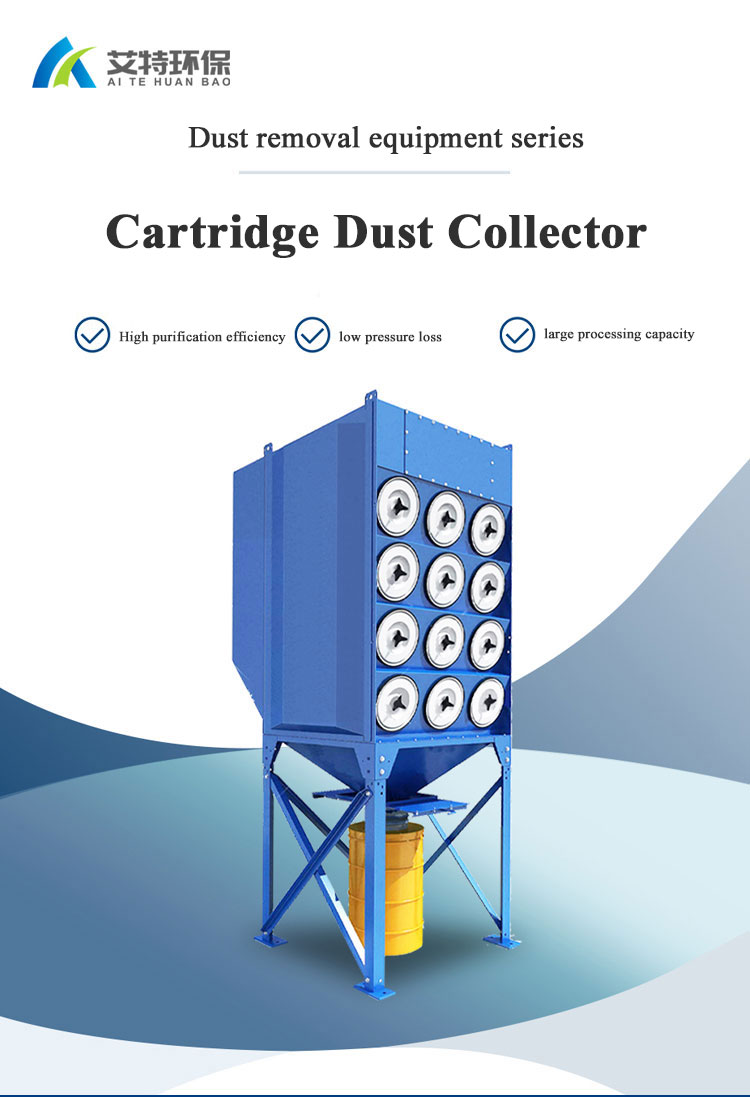

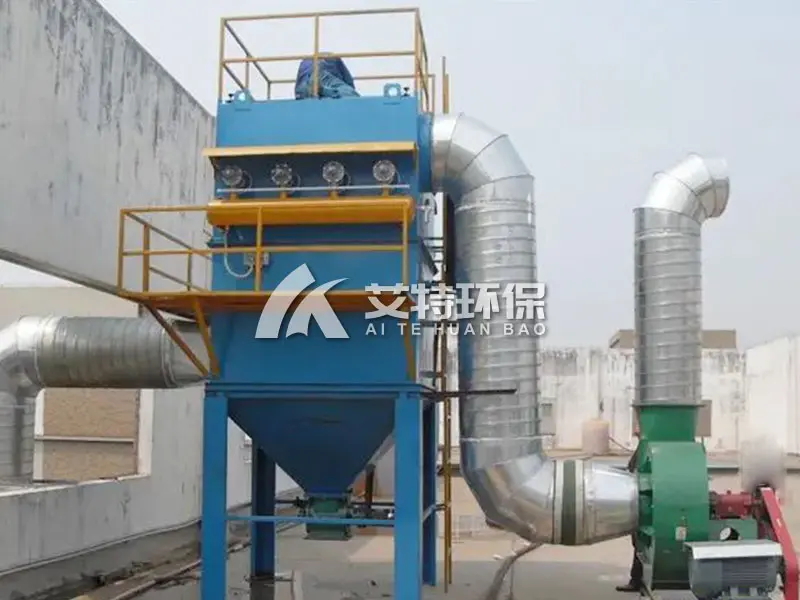
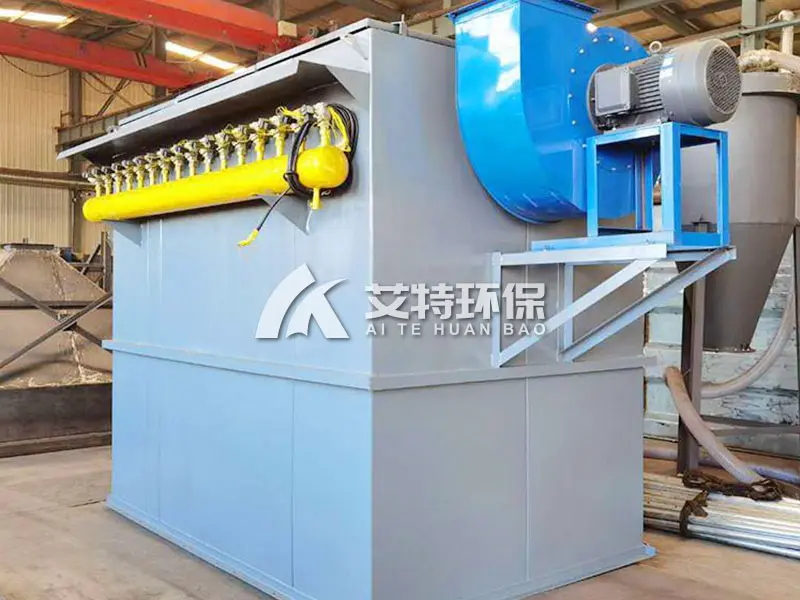
Ultra-low emission cartridge dust collector
Similar ProductsVIEW MORE >
WhatsApp / Wechat: +8613273719759
Factory Address: Zhengshang Navigation Square, South Hanghai Road, Erqi District, Zhengzhou City, Henan Province P.R.China.


 Export01@aiteeps.com
 ++8613273719759
