
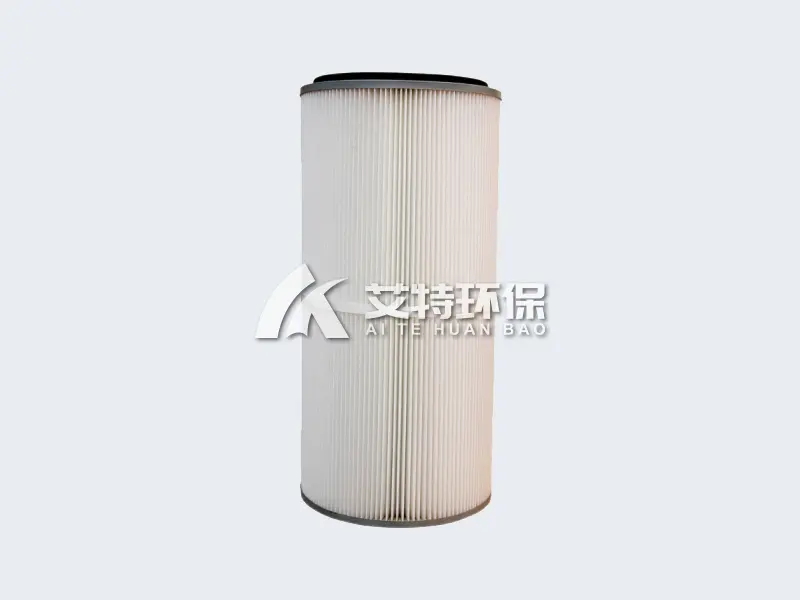
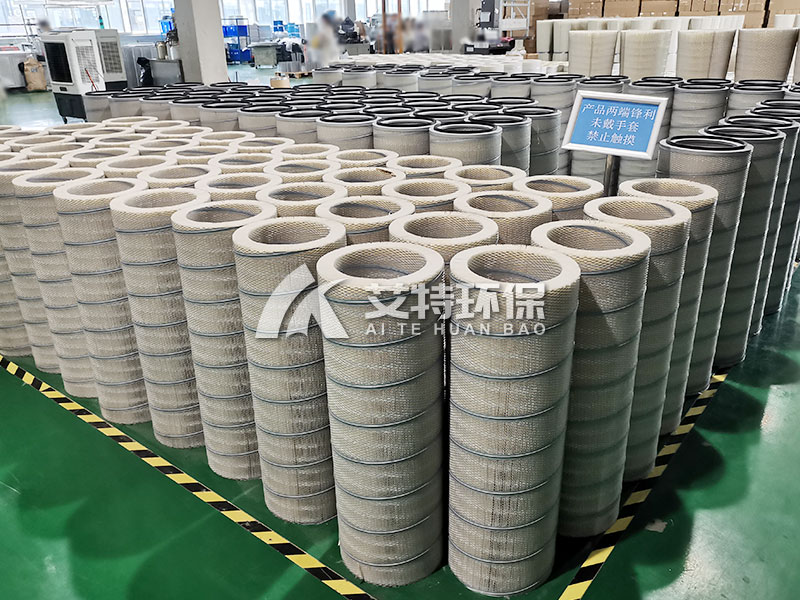
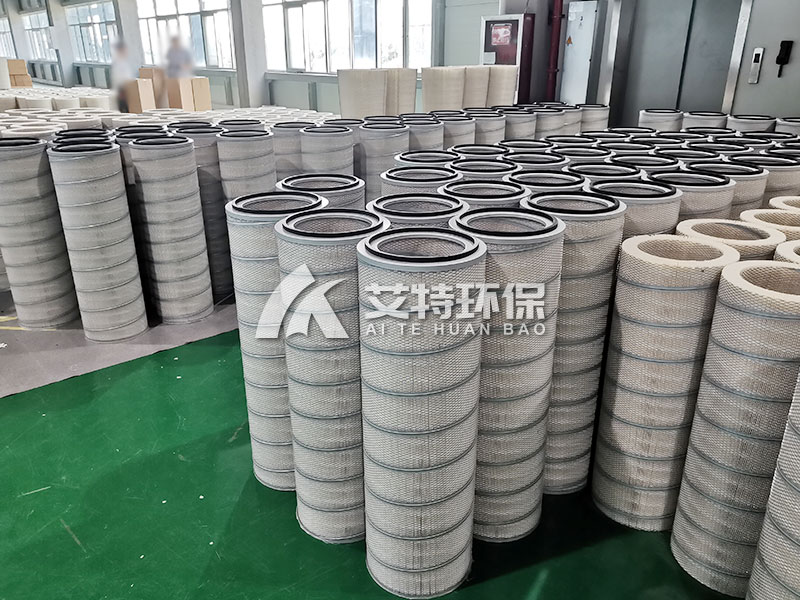
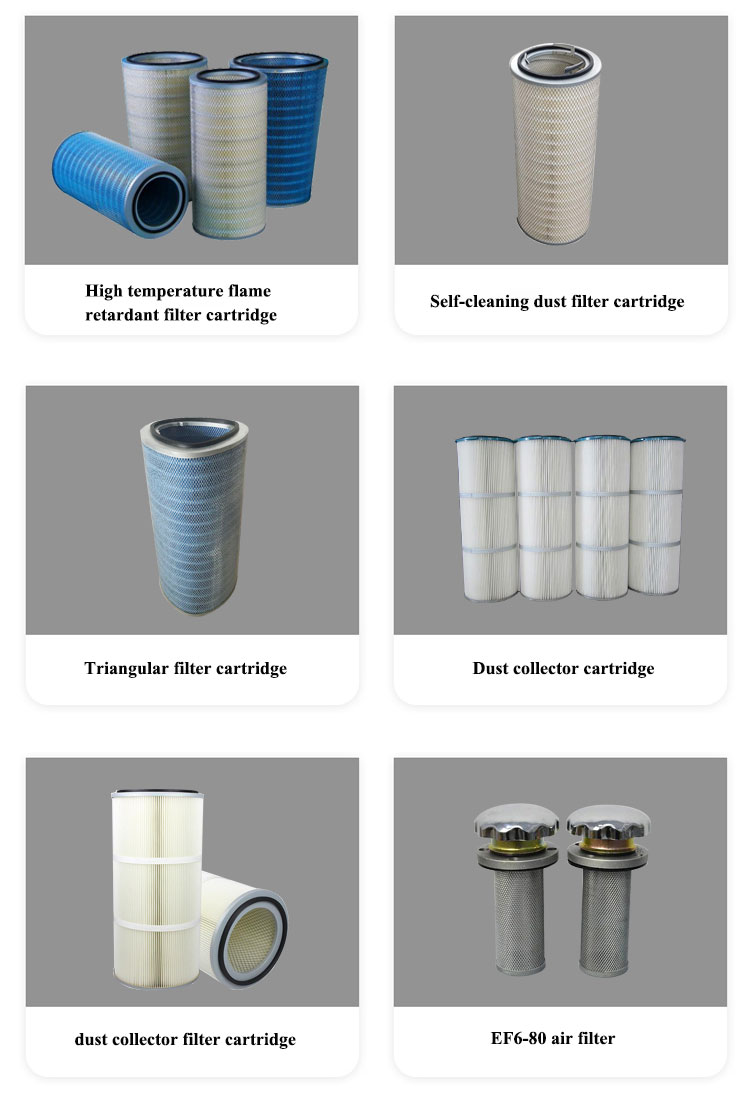
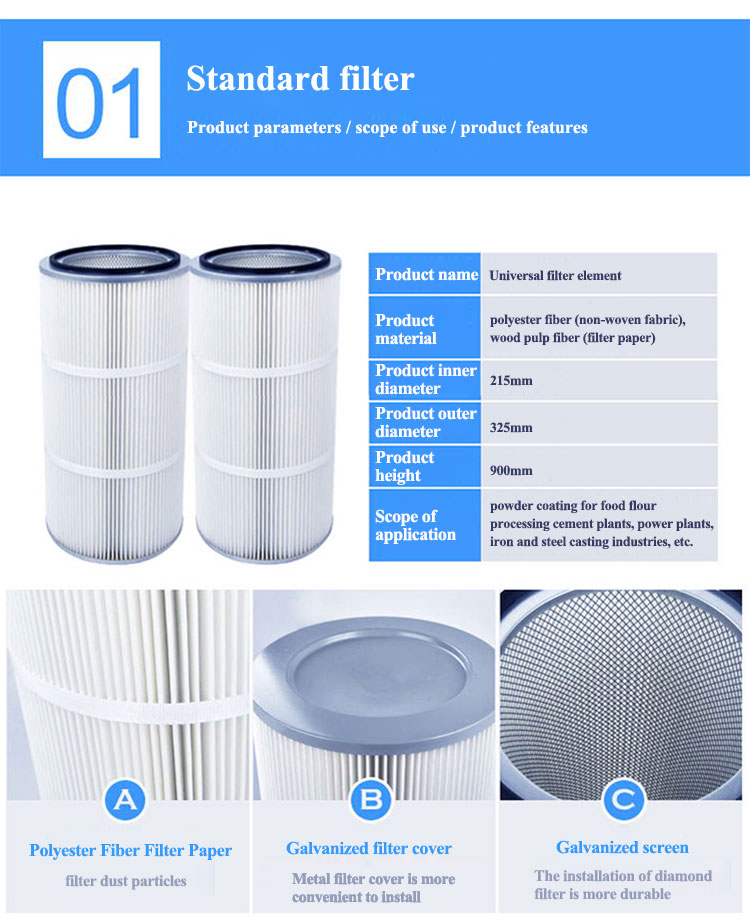
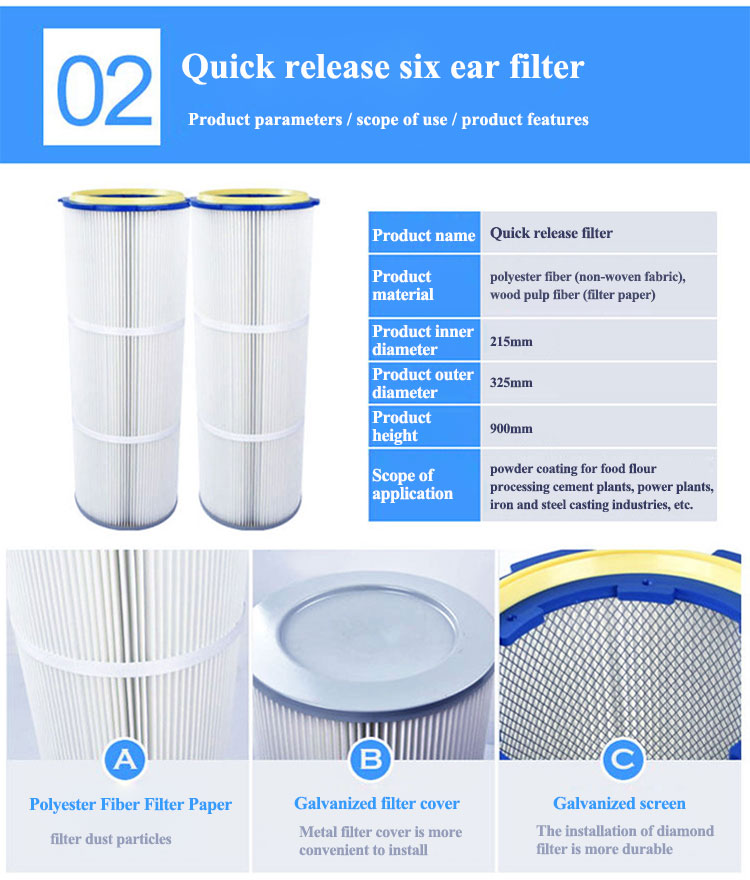
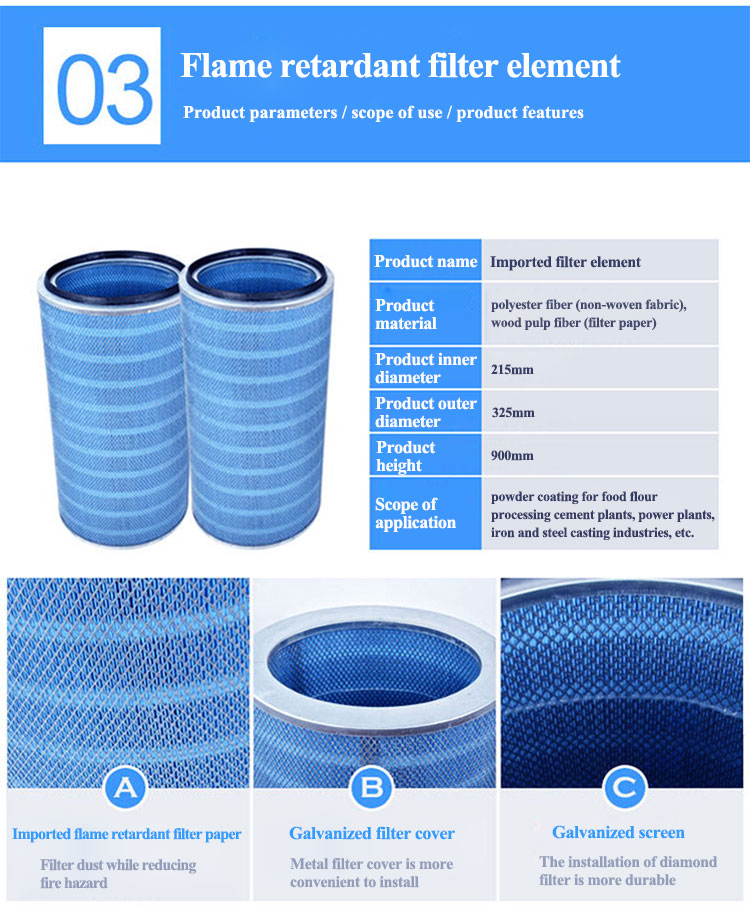
The air filter element 320/660 uses glass fiber or filter paper as the filter material.
The 320/660 Series Air Filter Elements are high-performance filtration components manufactured from
premium glass fiber or high-grade filter paper media. The media is precision-pleated to maximize
filtration surface area within a compact footprint, ensuring high contaminant-holding capacity and
excellent pressure resistance.
These filter elements are designed to remove particulate impurities from air and gas streams with standard
filtration precision down to 5μm. Custom filtration ratings are available upon request to meet specific
application requirements, making the 320/660 series a versatile solution for diverse industrial filtration needs.
Technical Specifications
Parameter Specification
Model 320/660 Series
Filter media Glass fiber or high-grade filter paper
Structure Precision-pleated for maximum surface area
Standard filtration precision 5 μm (absolute)
Custom precision Available upon request (1–20 μm)
Pressure resistance High (pleated structure provides rigid support)
Temperature range Depends on media selected (standard: ≤80°C)
Media options Standard, oil-resistant, water-resistant, high-temperature
Key Features
1. High Filtration Area – Precision-pleated design provides extended media surface within a compact element,
reducing pressure drop and extending service life.
2. Excellent Pressure Resistance – The pleated structure maintains shape integrity under varying flow
and pressure conditions.
3. Standard 5μm Precision – Delivers reliable removal of fine particulates for most industrial applications.
4. Custom Precision Options – Filtration ratings from 1μm to 20μm available to match specific process requirements.
5. Versatile Media Selection – Choose from glass fiber, filter paper, or specialty media for oil-resistant, moisture-resistant,
or high-temperature applications.
6. Durable Construction – Robust end caps and sealing gaskets ensure reliable performance and leak-free installation.
Applications
1. Chemical Production Lines – Inlet air filtration for reactors, dryers, and pneumatic conveying systems.
2. Pharmaceutical Production Lines – Clean air supply for tablet pressing, coating, and packaging equipment.
3. Cigarette Production Lines – Air filtration for cut-roll processing and packaging machinery.
4. Glass Production Lines – Filtration for combustion air, cooling air, and material handling systems.
5. Powder Coating Lines – Recovery of overspray powder and clean air supply for spray booths.
6. Cement Production Lines – Dust control at transfer points, mills, and packing stations.
7. Drilling Rig Dust Boxes – Filtration of ventilation air for worker health and equipment protection.
8. Electrostatic Spraying Systems – Clean air supply to prevent surface defects and ensure coating quality.
9. Shipbuilding, Power, Metallurgy & Engineering Machinery – Air intake filtration for engines, compressors,
and ventilation systems.
10. General Industrial Dust Removal & Recovery – Wide application in baghouses, cartridge collectors, and vacuum systems.
Maintenance Guidelines
The filter element is the core component of any filtration system and is considered a wear part.
Proper maintenance is essential to ensure optimal performance and extended service life.
1. Regular Inspection – Periodically check the filter element for visible contamination, damage, or deformation.
2. Monitor Pressure Drop – A sustained increase in differential pressure indicates that the element is becoming clogged.
When pressure rises significantly or flow rate decreases below acceptable levels, cleaning or replacement is required.
3. Cleaning Procedures – When cleaning is necessary:
· Use low-pressure compressed air (≤0.3 MPa) directed from the clean side outward (reverse flow) to
avoid driving contaminants deeper into the media.
· For washable media, gently rinse with appropriate solvent and allow to air-dry completely before reinstallation.
· NEVER use high-pressure air or water jets, as these can damage or deform the pleated media.
4. Handling Precautions – Exercise care during removal, cleaning, and installation to prevent pleat deformation,
tearing, or seal damage. Do not use tools that may puncture or compress the filter material.
5. Replacement Schedule – Replace the filter element when:
· Cleaning does not restore acceptable pressure drop
· Visible damage (tears, holes, collapsed pleats) is observed
· Seals show signs of cracking or hardening
· The recommended service interval (based on operating hours) has been reached
FAQ
Q1: What is the standard filtration precision of the 320/660 air filter element?
A: The standard precision is 5μm (absolute). For applications requiring coarser or finer filtration,
custom precision from 1μm to 20μm is available upon request.
Q2: What is the difference between glass fiber and filter paper media?
A: Glass fiber media offers higher temperature resistance, better chemical compatibility,
and superior moisture resistance. It is ideal for demanding industrial environments.
Filter paper media is more economical and suitable for general-purpose dry air filtration.
Both provide reliable 5μm filtration.
Q3: Can these filter elements withstand high temperatures?
A: Standard elements are rated for continuous operation up to 80°C. For higher temperature applications,
we offer specialty media options (glass fiber with high-temperature binders) capable of operating up to 200°C.
Please specify your temperature requirement when ordering.
Q4: How do I know when the filter element needs cleaning or replacement?
A: Monitor the differential pressure across the element. When the pressure drop increases by 50–100% above
the initial clean reading, or when system flow rate drops noticeably, cleaning is required. If cleaning does
not restore acceptable performance, replacement is necessary.
Q5: What is the recommended cleaning method for these elements?
A: Use low-pressure compressed air (≤0.3 MPa) applied from the clean side outward. Hold the nozzle at
least 30mm from the pleat surface and move in overlapping passes. For washable media,
use mild solvent rinse and air-dry completely. Never use high-pressure air, water jets, or mechanical scrubbing.
Q6: Are these filter elements compatible with oily or humid environments?
A: Yes. We offer oil-resistant and moisture-resistant media options for applications with oil mist, oil-laden air,
or high-humidity conditions. Please specify your environment when ordering.
Q7: Can these filter elements be customized for non-standard dimensions?
A: Yes. While the 320/660 designation refers to standard dimensions (320mm and 660mm lengths),
we can custom-manufacture elements to your specific size, precision, and media requirements.
Q8: What is the typical service life of a 320/660 air filter element?
A: Service life varies widely depending on dust loading, operating conditions, and maintenance practices.
Under typical industrial conditions with regular cleaning, elements may last 6–18 months.
Heavy dust loads will shorten service intervals.
Q9: Can I use this filter element for liquid filtration?
A: No. The 320/660 series is designed exclusively for air and gas filtration. Using these elements for liquid
applications will cause media degradation and premature failure. Please consult our liquid filtration product
line for suitable alternatives.
Q10: What is the maximum operating pressure for these elements?
A: The maximum differential pressure rating is typically 0.1–0.2 MPa (1–2 bar) across the element.
The actual maximum system pressure depends on the housing design. Please consult the filter
housing specifications for complete pressure ratings.
Q11: Do you offer hydrophobic or PTFE-coated versions for moisture-laden air?
A: Yes. We offer hydrophobic treated glass fiber media and PTFE membrane-coated cartridges for applications
with high humidity, condensing conditions, or sticky dust that tends to adhere to standard media.
These options provide superior moisture resistance and improved dust release.
Q12: Are replacement elements readily available?
A: Yes. The 320/660 series is a standard product line with consistent stock availability.
We also offer scheduled delivery programs for large-volume users to ensure uninterrupted supply.
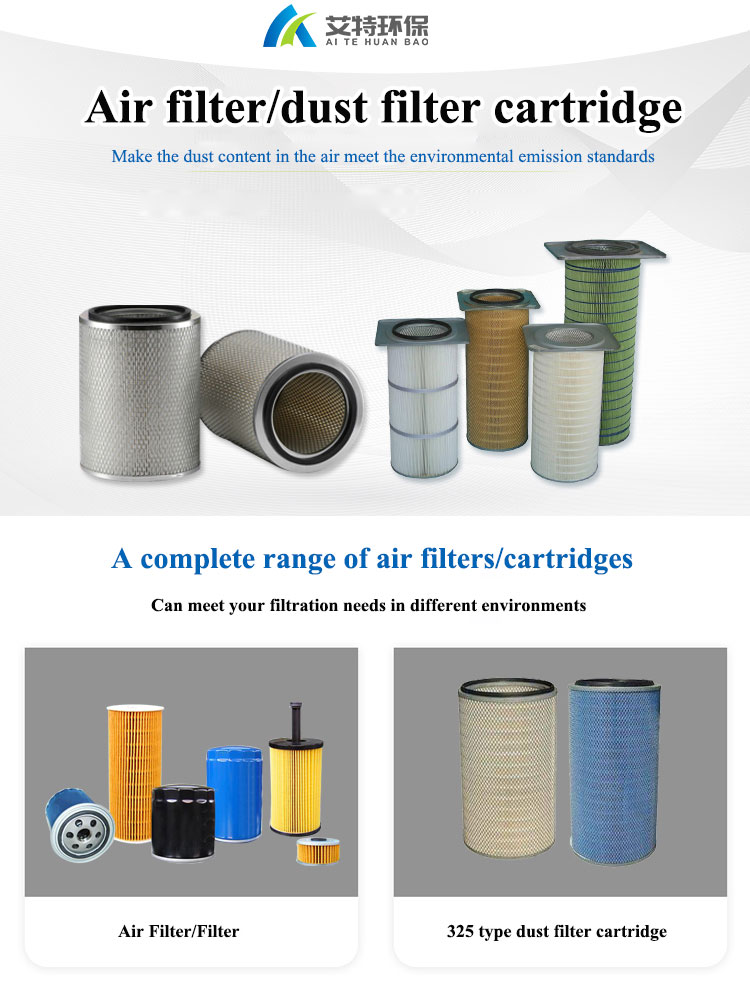
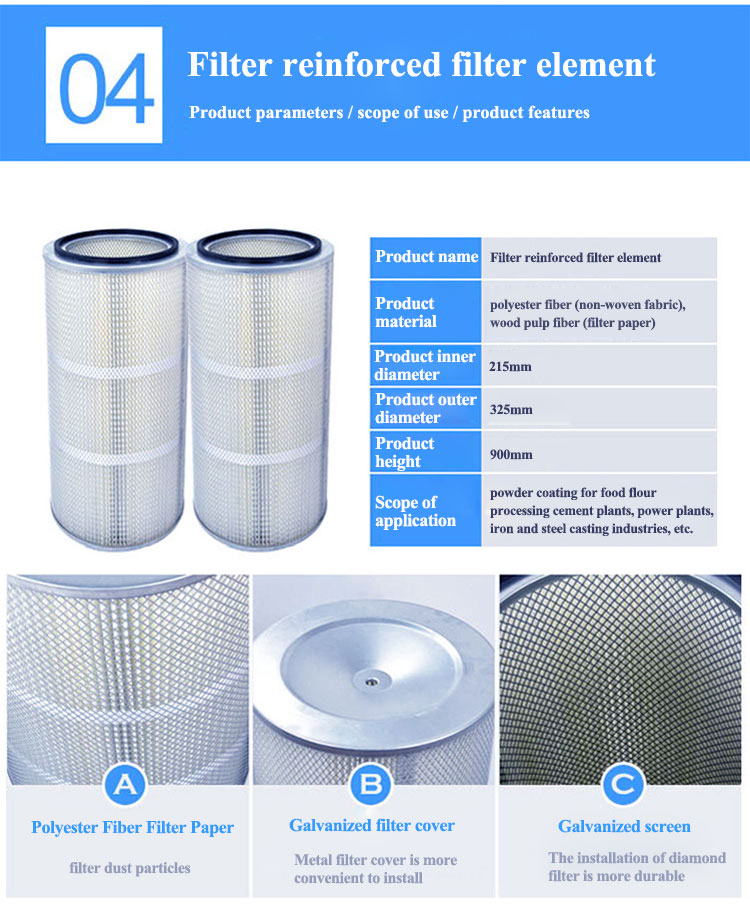
Air filter 320/660
Similar ProductsVIEW MORE >
WhatsApp / Wechat: +8613273719759
Factory Address: Zhengshang Navigation Square, South Hanghai Road, Erqi District, Zhengzhou City, Henan Province P.R.China.


 Export01@aiteeps.com
 ++8613273719759
