
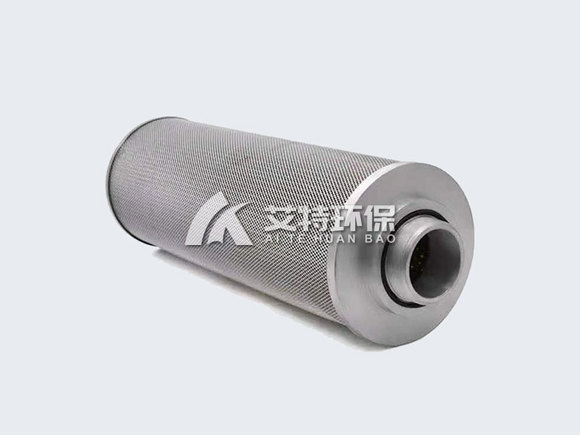
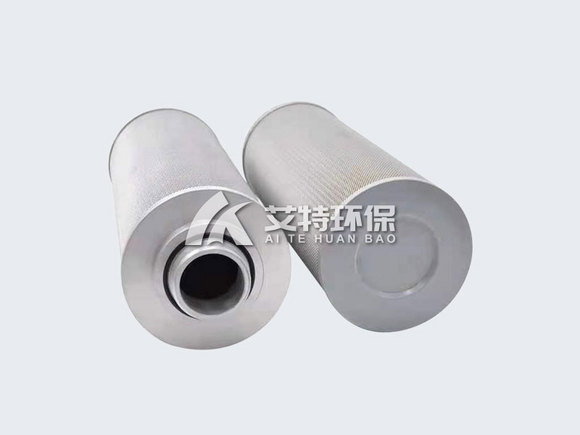
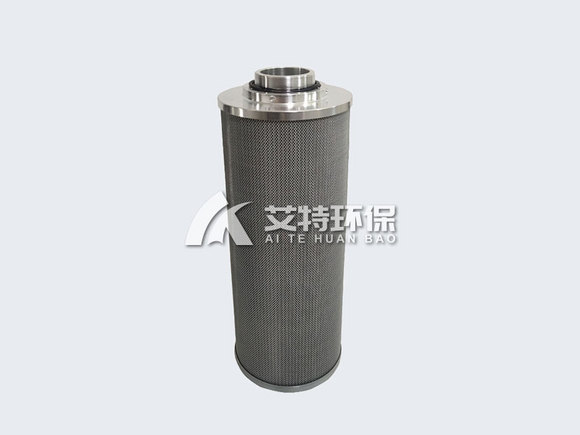
Oil suction filter Liming filter element IX-1000x180 is mainly used in hydraulic system, used to filter the solid particles and colloidal substances in the working medium, control the degree of pollution of the working medium, to achieve the role of purifying the medium. Liming filter IX-40x100 is widely used in petroleum, chemical, metallurgy, electronics, electric power, pharmaceutical and other fields of purification.
1. Product Introduction
The R920007668 filter element is an indispensable component in pipeline series for transmission media.
Typically installed at the inlet filter of hydraulic systems, this filter element is designed to clean hydraulic oil
and filter out metal particles, abrasive debris, and contaminant impurities from the fluid medium—ensuring the
normal operation and extended service life of downstream equipment.
As a versatile filtration solution, the R920007668 series serves not only hydraulic applications but also extends to
pharmaceutical, food and beverage, oilfield, electronics, and chemical industries. Its robust construction,
high-efficiency media, and reliable sealing make it suitable for a wide range of operating conditions and fluid types.
2. Technical Specifications
Parameter Specification
Model R920007668
Medium General hydraulic oil (mineral-based)
Operating pressure 21 bar – 210 bar (300 – 3,000 psi)
Filtration precision 1 μm – 100 μm (multiple grades available)
Operating temperature –30°C to +100°C
Sealing material Fluorocarbon rubber (FKM/Viton) or Nitrile rubber (NBR)
End cap material Corrosion-resistant reinforced nylon
Skeleton material Anti-corrosion treated steel
Media type Fiber media with hydrophobic/oleophobic treatment
Filtration mechanism Surface + depth loading combined
3. Key Product Characteristics
3.1 Superior Air Permeability
The filter element utilizes premium fiber filter media with strong hydrophobic (water-repellent) and oleophobic
(oil-repellent) properties, sourced from the United States. The media is combined with a high-strength, highly permeable
support framework that effectively minimizes resistance caused by fluid passage. This optimized permeability
ensures consistent flow rates while maintaining filtration efficiency, reducing energy consumption and pressure loss
in the hydraulic system.
3.2 Excellent Filterability
The R920007668 element incorporates a fine-porous sponge structure (based on German engineering standards) that
effectively prevents oil and water droplets from being carried away by high-speed airflow or fluid streams. As fluid passes
through, small oil droplets are captured and coalesced within the sponge matrix, migrating toward the lower end of the
filter element and ultimately collecting at the bottom of the filter housing. This coalescing mechanism ensures efficient
removal of both particulate contaminants and liquid aerosols in gas/liquid separation applications.
3.3 Reliable Air Tightness
The junction between the filter element and the filter housing employs a precision-engineered sealing ring system that
guarantees no flow short-circuiting. This reliable seal prevents unfiltered fluid from bypassing the filter element and
entering downstream directly, ensuring that 100% of the fluid stream passes through the filtration media.
This is critical for maintaining system cleanliness and protecting sensitive downstream components.
3.4 Corrosion Resistance
The filter element features a corrosion-resistant reinforced nylon end cap and an anti-corrosion treated filter skeleton.
This robust construction enables reliable operation in harsh working conditions, including:
· High-humidity environments
· Chemically aggressive fluids
· Marine and coastal installations
· Outdoor or unprotected installations
The corrosion-resistant design extends the service life of the filter element and prevents secondary contamination from
rust or material degradation products.
3.5 Wide Precision Range
Available in filtration precision grades from 1μm to 100μm, the R920007668 series accommodates diverse application
requirements—from ultra-fine polishing filtration in precision hydraulics to coarse straining in high-flow, low-restriction
systems.
3.6 Broad Temperature & Pressure Compatibility
With an operating temperature range of –30°C to +100°C and pressure capability up to 210 bar, this filter element performs
reliably across a wide spectrum of industrial conditions, including cold-start environments and high-temperature continuous
operation.
4. Applications
The R920007668 filter element is widely deployed across multiple industries for contaminant removal and system protection:
4.1 Hydraulic & Lubrication Systems
· Removing metal wear debris, rust particles, and sludge from hydraulic oil
· Protecting pumps, valves, actuators, and servo systems from abrasive wear
· Extending hydraulic fluid service life through continuous contamination control
4.2 Pharmaceutical Industry
· Pre-filtration of antibiotics, injectable solutions, and liquid pharmaceuticals
· Sterile filtration preparation and bioprocess fluid clarification
· Ensuring product purity and regulatory compliance
4.3 Food & Beverage Industry
· Filtration of wine, beer, mineral water, and potable water
· Removing suspended solids and microbial contaminants
· Meeting food-grade safety standards
4.4 Oil & Petroleum Industry
· Oilfield waterflood injection filtration
· Produced water treatment and solids removal
· Refinery process fluid clarification
4.5 Electronics Industry
· High-purity water pre-filtration for semiconductor manufacturing
· Ultra-pure water systems for PCB and display production
· Chemical bath filtration in wafer fabrication
4.6 Chemical Industry
· Filtration of organic solvents, acids, and alkaline solutions
· Process fluid purification and product recovery
· Catalyst fines removal and reaction stream clarification
5. Maintenance & Operation Guidelines
1. Initial Installation – Verify model number and seal integrity before installation. Ensure the filter housing is clean and free
of debris. Tighten to specified torque values to achieve proper seal compression.
2. Differential Pressure Monitoring – Install a differential pressure gauge across the filter housing. Replace the element when
the pressure differential reaches 2–3× the initial clean reading, or when the system's recommended change-out value is
reached.
3. Regular Inspection – Visually inspect seals and housing connections during scheduled maintenance. Replace any damaged
or degraded seals immediately.
4. Proper Handling – Avoid dropping or crushing the filter element. Handle by the end caps rather than the media to prevent
pleat damage.
5. Storage Recommendations – Store spare elements in a cool, dry, dust-free environment in original packaging. Avoid
exposure to direct sunlight, chemicals, or extreme temperatures.
6. FAQ (Frequently Asked Questions)
Q1: What is the filtration precision range for the R920007668 filter element?
A: The R920007668 series is available in precision grades from 1μm to 100μm. Selection depends on the cleanliness
requirements of your system—finer precision (1–5μm) for servo valves and precision hydraulics; coarser grades (20–100μm)
for pump inlet protection and high-flow applications.
Q2: What types of filter media are available?
A: The standard media is premium fiber with hydrophobic and oleophobic treatment. For specialized applications,
we also offer stainless steel wire mesh and synthetic fiber options. Please consult our technical team for media selection
guidance.
Q3: What is the maximum operating pressure for this filter element?
A: The R920007668 series is rated for operating pressures up to 210 bar (3,000 psi). The exact rating depends on the specific
housing configuration and filter element model. Always verify your system pressure against the element specifications.
Q4: Can this filter element be used for both liquid and gas applications?
A: Yes. The design supports both hydraulic liquid filtration and compressed air/gas filtration, particularly when equipped
with the coalescing sponge structure for liquid aerosol removal.
Q5: What is the recommended replacement interval?
A: Replacement intervals depend on system contamination levels, operating hours, and fluid condition. We recommend
monitoring differential pressure—replace when the pressure drop reaches 2–3× the initial clean value. Under normal
conditions, elements typically last 6–12 months.
Q6: How does the hydrophobic/oleophobic media benefit filtration performance?
A: The hydrophobic (water-repellent) and oleophobic (oil-repellent) properties prevent water and oil droplets from wetting
the fiber surface, maintaining high permeability and consistent efficiency. This is particularly beneficial in humid environments
or when filtering fluids with entrained moisture.
Q7: What is the function of the fine-porous sponge structure?
A: The sponge structure (based on German engineering) captures and coalesces small oil droplets that would otherwise be
carried downstream by high-speed airflow. The coalesced droplets migrate to the lower end and collect at the filter housing
bottom for periodic drainage.
Q8: Are corrosion-resistant materials available for aggressive fluid applications?
A: Yes. The standard element features reinforced nylon end caps and anti-corrosion treated skeleton. For chemically
aggressive fluids (acids, solvents, seawater), we offer upgraded stainless steel components and specialty media.
Please specify your fluid type when ordering.
Q9: Can the filter element be cleaned and reused?
A: The R920007668 element is primarily designed for single use. Attempting to clean fiber media may damage the delicate
structure and reduce filtration efficiency. For washable applications, consider our stainless steel mesh product line.
Q10: What sealing materials are available?
A: Standard seals are Fluorocarbon rubber (FKM/Viton) and Nitrile rubber (NBR). FKM offers superior high-temperature and
chemical resistance, while NBR provides excellent oil compatibility at standard temperatures. Custom seal materials
are available for specialty fluids.
Q11: Is the R920007668 compatible with phosphate ester hydraulic fluids?
A: For phosphate ester fluids, we recommend verifying seal compatibility. Our FKM seals are generally suitable,
but please consult our technical team with your specific fluid formulation to confirm full compatibility.
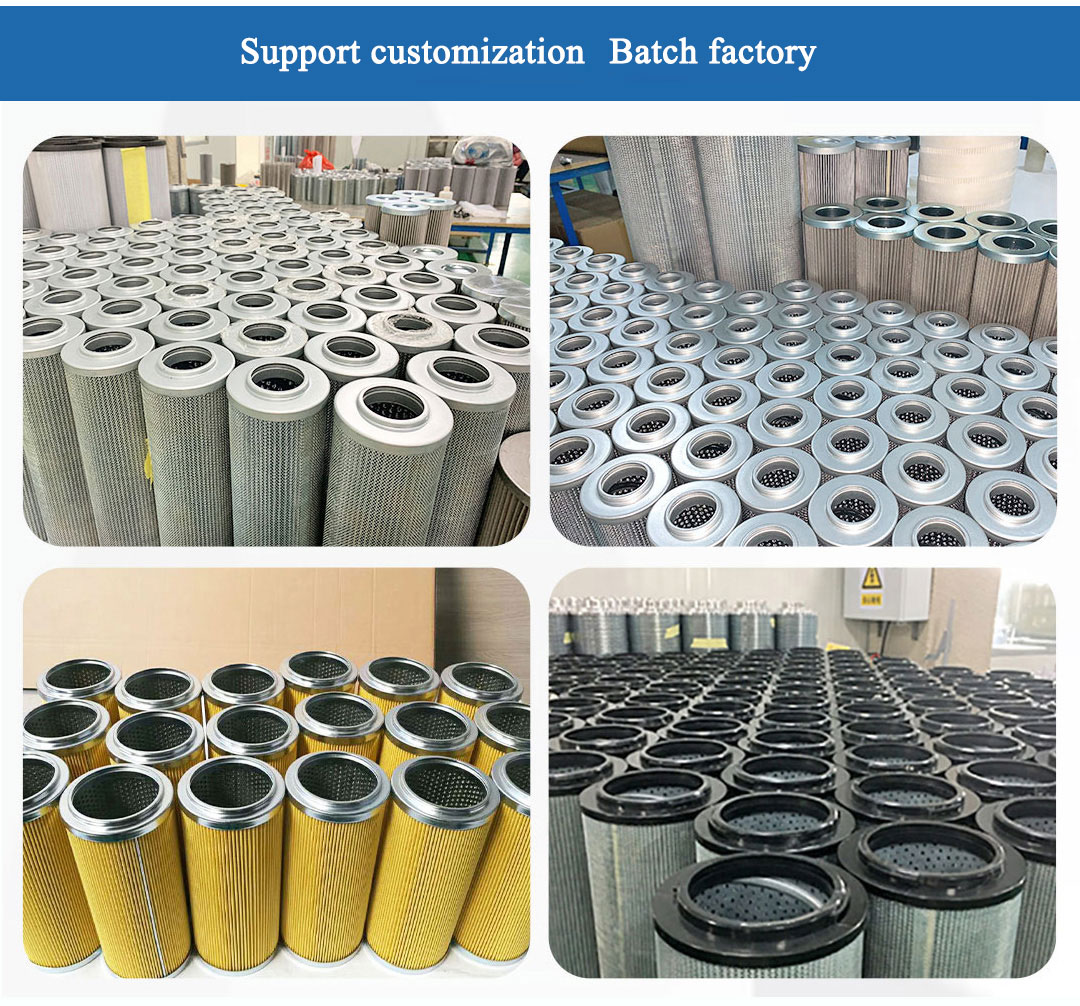
Q12: Do you offer custom dimensions or non-standard precision grades?
A: Yes. While the R920007668 is a standard model, we offer custom manufacturing for non-standard dimensions,
precision grades, and media types. Please provide your housing specifications and application requirements for a
customized solution.
Q13: What documentation is provided with each filter element?
A: Each element is supplied with a certificate of conformance, dimensional inspection report, and media performance data.
ISO 16889 multi-pass test reports and material certificates are available upon request.
Q14: How should I store spare filter elements?
A: Store spare elements in original packaging in a cool (10–30°C), dry (<60% RH), dust-free environment. Avoid exposure to
UV light, chemicals, and extreme temperatures. Properly stored elements maintain performance integrity for up to 5 years.
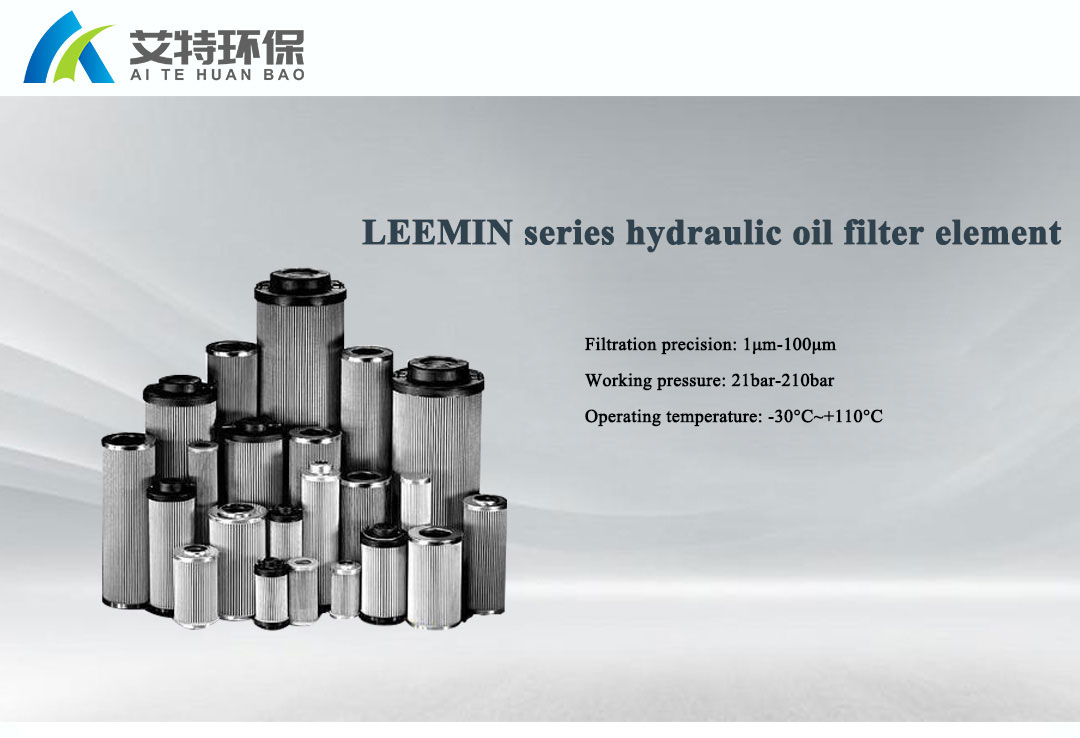
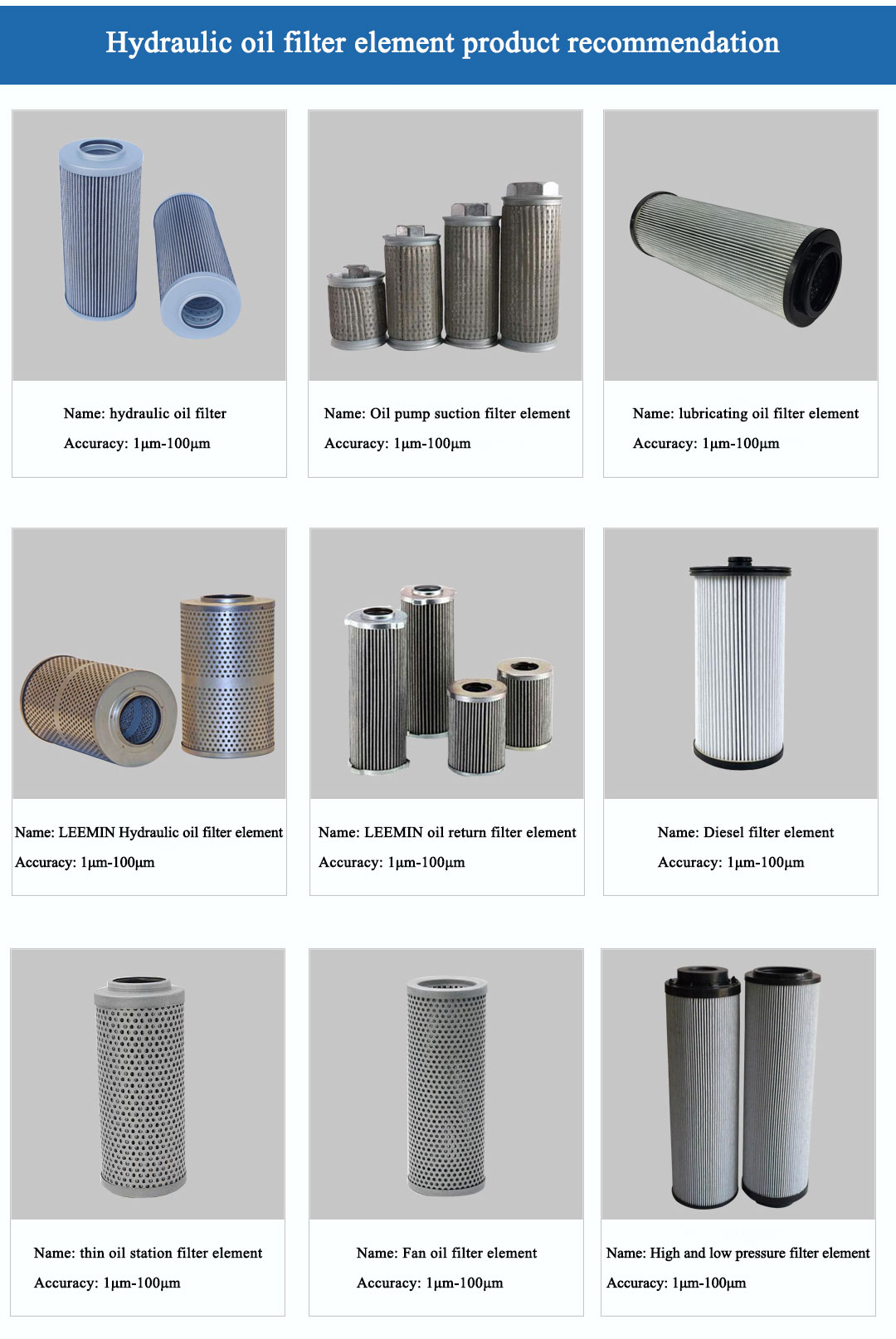
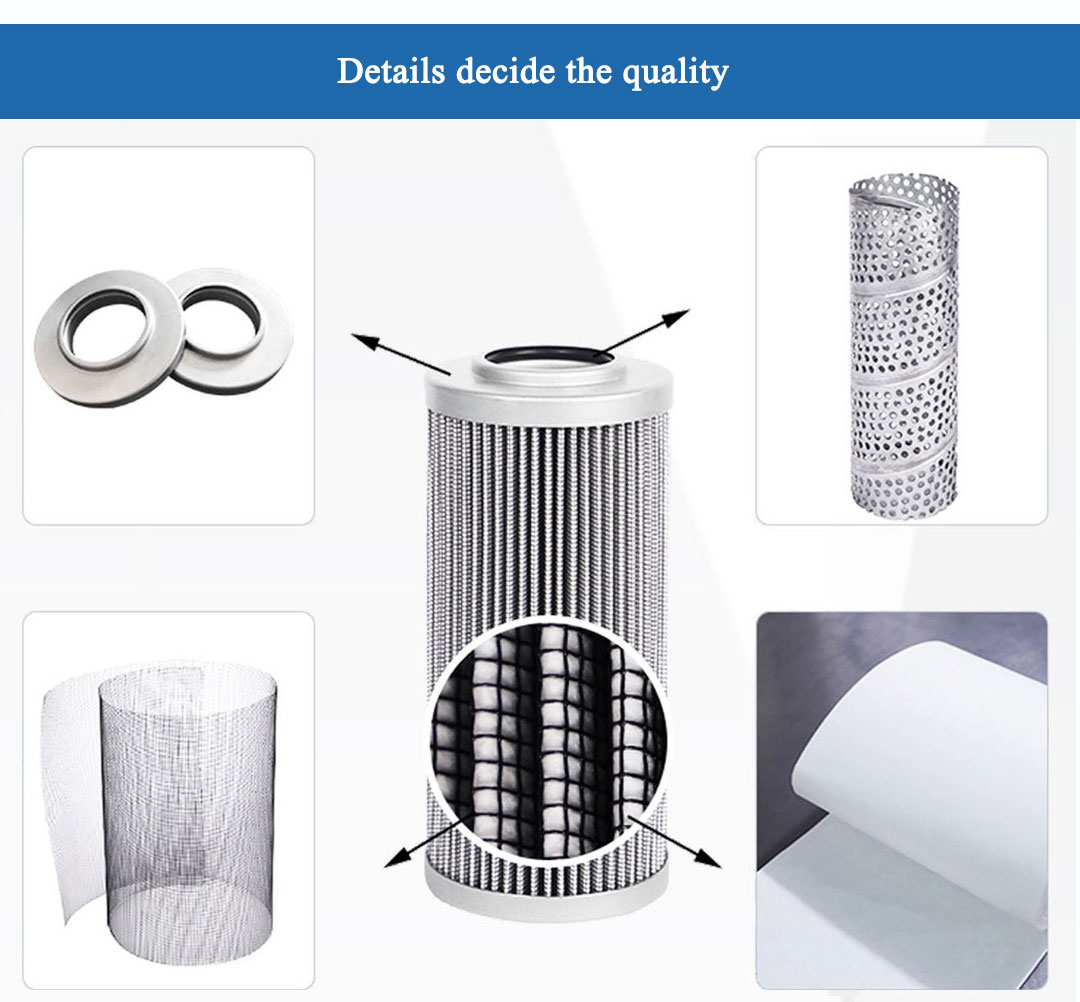
IX-1000x180 Oil suction filter element
Similar ProductsVIEW MORE >
WhatsApp / Wechat: +8613273719759
Factory Address: Zhengshang Navigation Square, South Hanghai Road, Erqi District, Zhengzhou City, Henan Province P.R.China.


 Export01@aiteeps.com
 ++8613273719759
