
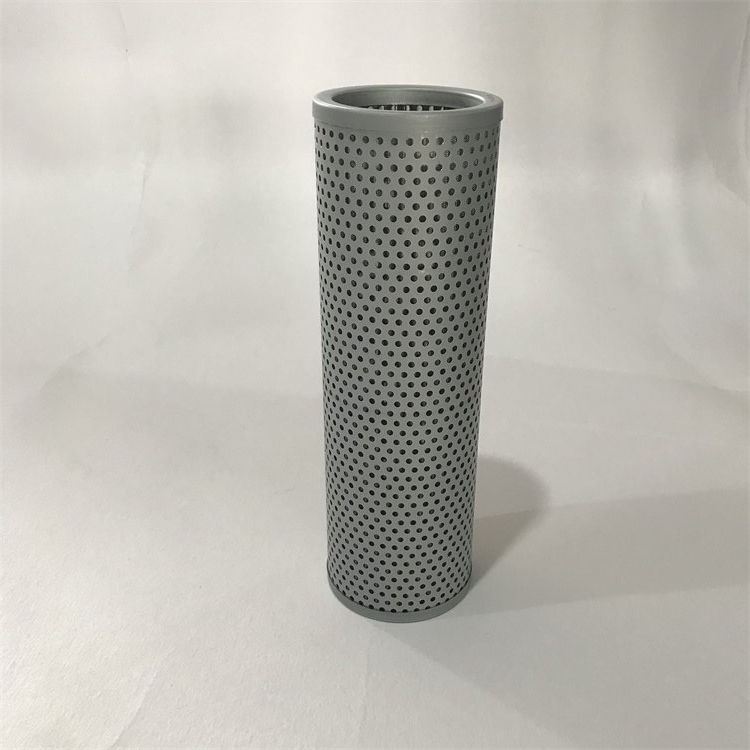
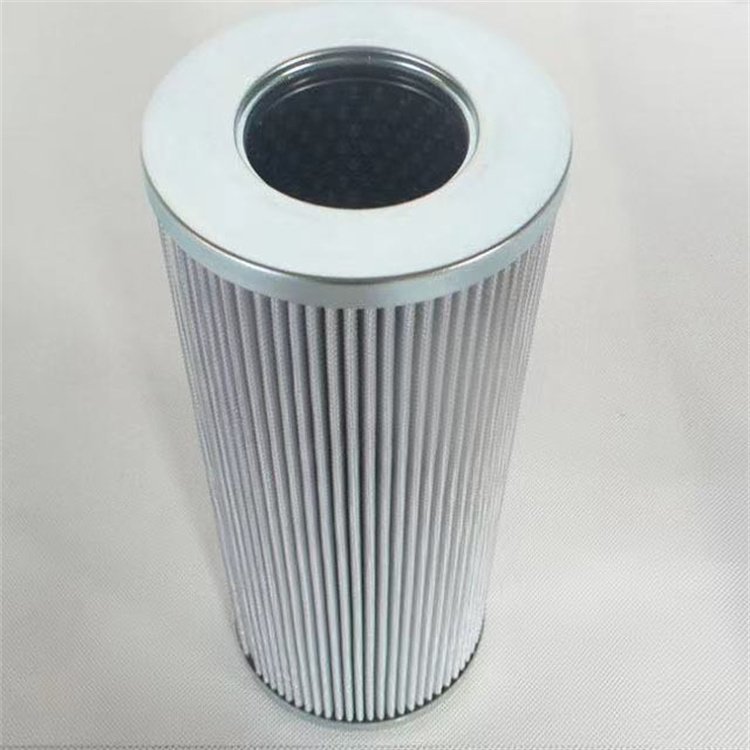
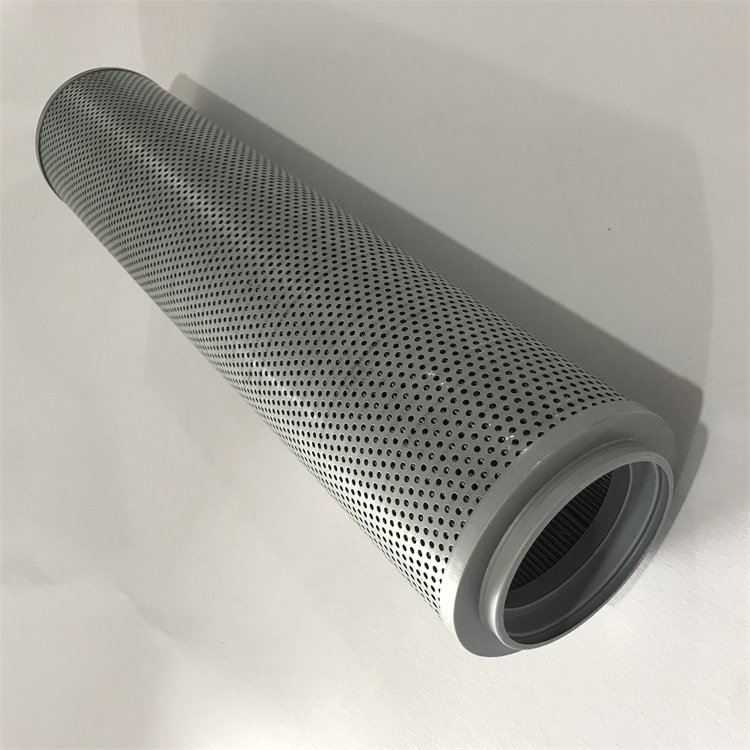
The filter element is used to filter the solid particles and colloidal substances in the working medium in the hydraulic system, and the filter element can effectively control the pollution degree of the working medium.
The hydraulic filter element is a fundamental and indispensable component within any hydraulic or lubrication system.
Its primary function is to remove solid particulates, metallic wear debris, and colloidal contaminants from the working fluid,
thereby maintaining the fluid at an appropriate cleanliness level. By effectively controlling the degree of fluid contamination,
the filter element safeguards sensitive system components—including pumps, servo-valves, actuators, and precision
bearings—from premature wear, corrosion, and catastrophic failure. In modern industrial operations, where equipment
reliability and uptime are paramount, the selection and maintenance of high-quality filter elements directly impact productivity,
operational costs, and overall system longevity.
Technical Parameters
The filter element is engineered to meet a wide range of operating conditions, with the following key specifications:
Parameter Specification
Filtration accuracy 1 ~ 100 μm (multiple grades available)
Working pressure range Up to 21 MPa (210 bar) depending on configuration
Working medium Mineral hydraulic oils, synthetic fluids, water-glycol emulsions, and other compatible media
Operating temperature -30°C ~ +110°C (dependent on seal material)
Filter media options Glass fiber, cellulose, stainless steel wire mesh, or chemical fiber
Structural materials Corrosion-resistant steel, galvanized steel, or reinforced nylon end caps
Sealing materials NBR (nitrile), FKM (fluoroelastomer), or EPDM based on application
Flow direction Inside-out or outside-in, based on housing design
Bypass valve Optional, integrated or external
Collapse pressure rating Up to 21 MPa, depending on media and support layer configuration
Performance Characteristics
The hydraulic filter element is designed to deliver consistent, reliable filtration performance under demanding industrial
conditions. Its key performance characteristics include:
1. High filtration efficiency – The advanced media structure captures contaminants throughout the depth of the filter material,
ensuring high particle retention rates even under variable flow and pressure conditions. The multi-layer design provides both
surface and depth filtration, maximizing dirt-holding capacity.
2. Low initial pressure drop – The optimized pleat geometry and high-porosity media allow fluid to pass through with minimal
resistance, reducing energy consumption, lowering system heat generation, and improving overall hydraulic efficiency.
3. High structural integrity – The element is reinforced with a strong support skeleton and end caps, capable of withstanding
high differential pressures without collapsing or deforming. This ensures reliable performance even during cold starts,
pressure surges, and pulsed flow conditions.
4. Chemical and thermal compatibility – The filter media and sealing materials are selected to resist degradation from hydraulic
fluids, additives, moisture, and temperature extremes, ensuring long service life and consistent performance.
5. Corrosion resistance – All metal components are treated with anti-corrosion coatings or manufactured from stainless steel,
enabling the element to perform reliably in harsh environments, including offshore, marine, chemical, and outdoor applications.
6. Easy maintenance and replacement – The standardized dimensions and housing configurations allow for quick and
straightforward element change-outs, minimizing downtime and simplifying maintenance procedures.
Working Principle
The fundamental operating principle of the hydraulic filter element is based on physical separation through a porous filtration
medium. As the contaminated fluid enters the filter housing and passes through the element, the filter media—composed of
precisely controlled pore structures—retains solid particles and colloidal substances on its surface and within its depth.
The clean fluid then flows out through the outlet port, ready to continue its circuit through pumps, valves, and actuators.
The filtration process operates as follows:
1. Inflow – Contaminated fluid under system pressure enters the filter housing and is directed toward the filter element.
2. Filtration – The fluid passes through the filter media, which contains a network of precisely sized pores. Particles larger than
the rated pore size are physically blocked on the upstream surface or trapped within the media's depth via inertial impaction,
diffusion, and interception mechanisms.
3. Clean outflow – The purified fluid, now free of harmful particulates and colloidal contaminants, exits the element and
continues through the system to lubricate and protect sensitive components.
4. Contaminant accumulation – Over time, captured particles accumulate on and within the media, gradually increasing the
differential pressure across the element. When the differential pressure reaches a predetermined level (typically 80% of the
bypass valve setting), the element should be replaced to maintain optimal system performance.
In addition to solid particle filtration, certain element variants are also designed to separate and coalesce water droplets,
oil mists, and air bubbles from the fluid stream. This is achieved through specialized hydrophobic/oleophobic media and
coalescing layers, which promote droplet aggregation and subsequent separation at the lower section of the housing.
Application Fields
The hydraulic filter element is utilized across a diverse spectrum of industries and applications, including:
· Industrial machinery – Hydraulic and lubrication systems in machine tools, presses, injection molding machines,
and material handling equipment.
· Metallurgy – Rolling mills, continuous casting machines, furnace control systems, and strip tension control devices.
· Construction and mining – Excavators, loaders, bulldozers, cranes, haul trucks, and drilling rigs.
· Agriculture – Tractors, combine harvesters, sprayers, and irrigation equipment.
· Automotive and transportation – Power steering, transmission lubrication, and braking systems in commercial vehicles,
off-highway equipment, and rail systems.
· Power generation – Turbine lubrication, governor control, and bypass oil purification in thermal, hydro, and nuclear power
plants.
· Marine and offshore – Ship hydraulic systems, deck machinery, thruster controls, and drilling platform equipment.
· Aerospace – Aircraft hydraulic systems and ground support equipment.
Frequently Asked Questions (FAQ)
Q1: How often should the filter element be replaced?
A: Replacement frequency depends on several factors, including system contamination levels, operating pressure, flow rate,
and fluid condition. The most reliable method is to monitor the differential pressure (ΔP) across the element. Replace the
element when ΔP reaches 80% of the bypass valve set point (typically 0.5~1.0 MPa for medium-pressure systems).
In typical industrial environments, this may range from 6 to 12 months, while heavy-duty or high-contaminant applications
may require more frequent changes.
Q2: Can the filter element be cleaned and reused?
A: No. The depth-type filter media—whether glass fiber, cellulose, or chemical fiber—is designed for single-use only.
Cleaning methods such as backwashing, chemical soaking, ultrasonic cleaning, or compressed air blowing will damage
the fiber structure, alter pore sizes, reduce filtration efficiency, and may cause media migration. Reusing a cleaned element
risks downstream contamination and system damage. Always replace with a new, genuine element.
Q3: What is the difference between absolute and nominal filtration ratings?
A: Nominal rating indicates the approximate particle size that the filter can capture under ideal conditions, typically at around
50~80% efficiency. Absolute rating (often expressed with a beta ratio, βₓ ≥ 100 or βₓ ≥ 200) indicates the particle size at which
the filter achieves 99% or higher efficiency. Absolute ratings are more reliable for critical applications requiring precise
cleanliness control, such as servo-valve systems.
Q4: How do I select the correct filtration accuracy for my system?
A: The correct filtration grade depends on the most sensitive component in the system:
· Servo-valves and proportional valves: 3~6 μm absolute
· Directional and pressure control valves: 10~15 μm
· Gear and vane pumps: 15~25 μm
· General industrial lubrication: 20~40 μm
We recommend consulting your system manufacturer's specifications or contacting our application engineers for customized
recommendations.
Q5: What fluids are compatible with this filter element?
A: The standard element is compatible with mineral-based hydraulic oils, synthetic hydraulic fluids, and water-glycol emulsions.
For phosphate esters, high-water-content fluids, or aggressive chemicals (acids, alkalis, solvents), please verify media and
seal material compatibility with our technical team. Custom seal options (EPDM, PTFE, Viton®) and specialized media are
available upon request.
Q6: What happens if the bypass valve opens?
A: The bypass valve is a safety device designed to open when the element becomes fully clogged and the differential pressure
exceeds a safe threshold. When open, fluid flows through the bypass, bypassing the filter element entirely. This prevents
system starvation, cavitation, and pump damage but allows unfiltered fluid downstream. Frequent bypass operation indicates
that the element is overdue for replacement or that the system has an excessive contamination load. We recommend
addressing the root cause promptly.
Q7: Does the element come with an integrated bypass valve?
A: This depends on the specific model and housing configuration. Some filter assemblies include an integrated bypass valve
within the filter head or housing, while others rely on an external bypass system. The element itself may or may not contain
an internal bypass. Please specify your housing type and system requirements when ordering.
Q8: How do I know if the element is genuine and of high quality?
A: Genuine elements feature laser-etched part numbers, batch codes, and quality certification labels. Each element is
accompanied by a test certificate detailing bubble-point integrity, burst pressure, collapse resistance,
and flow-vs-pressure-drop performance. We strongly recommend purchasing from authorized distributors or directly from
the manufacturer to avoid counterfeit products that can compromise system safety and performance.
Q9: What storage conditions are recommended for spare elements?
A: Store elements in a cool, dry, and dust-free environment, away from direct sunlight, ozone, extreme temperatures,
and chemical vapors. Keep them in their original sealed packaging until installation to prevent moisture absorption,
media contamination, and seal degradation. The recommended shelf life is typically 3 years under proper storage conditions.
Q10: What standards does this filter element comply with?
A: The element is designed and manufactured in accordance with ISO 9001 quality management standards,
and its performance is verified against ISO 2941 (collapse/burst pressure), ISO 2942 (bubble-point integrity),
ISO 2943 (fluid compatibility), ISO 3724 (flow fatigue resistance), and ISO 16889 (multi-pass filtration performance).
These certifications ensure reliable, consistent, and verifiable filtration performance.
For additional technical assistance, custom dimensional modifications, retrofitting support, or application-specific
recommendations, please contact our engineering support team. We are dedicated to providing high-quality,
cost-effective filtration solutions that enhance system reliability, extend equipment life, and minimize operational
downtime across your facility.
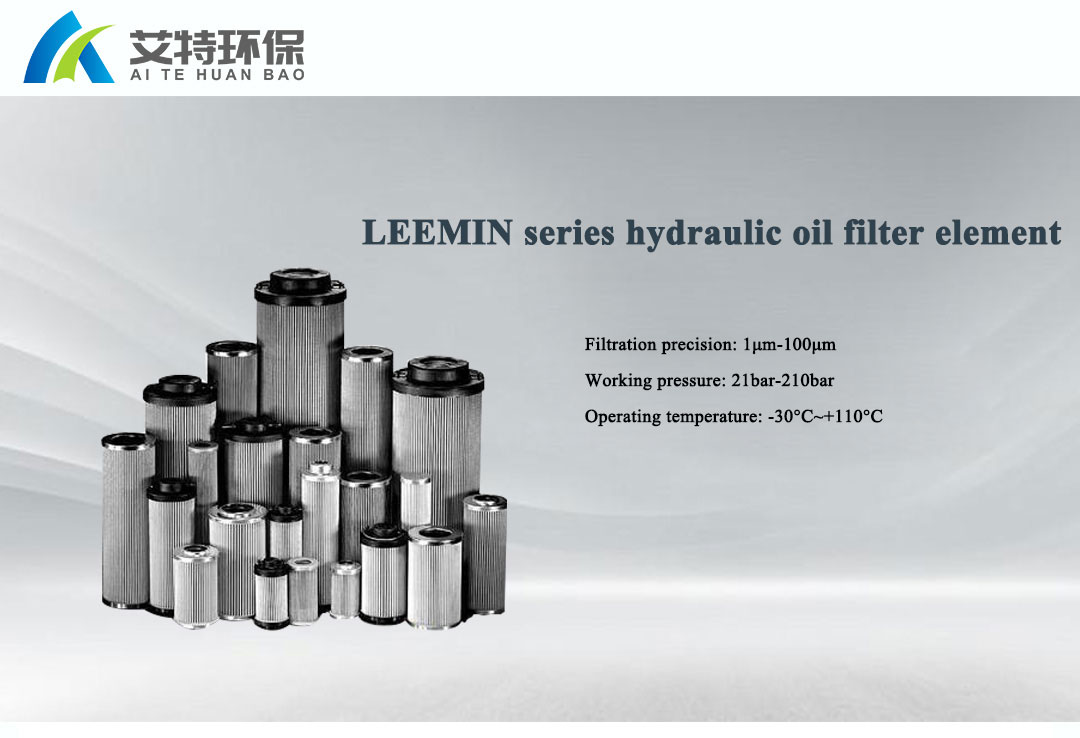
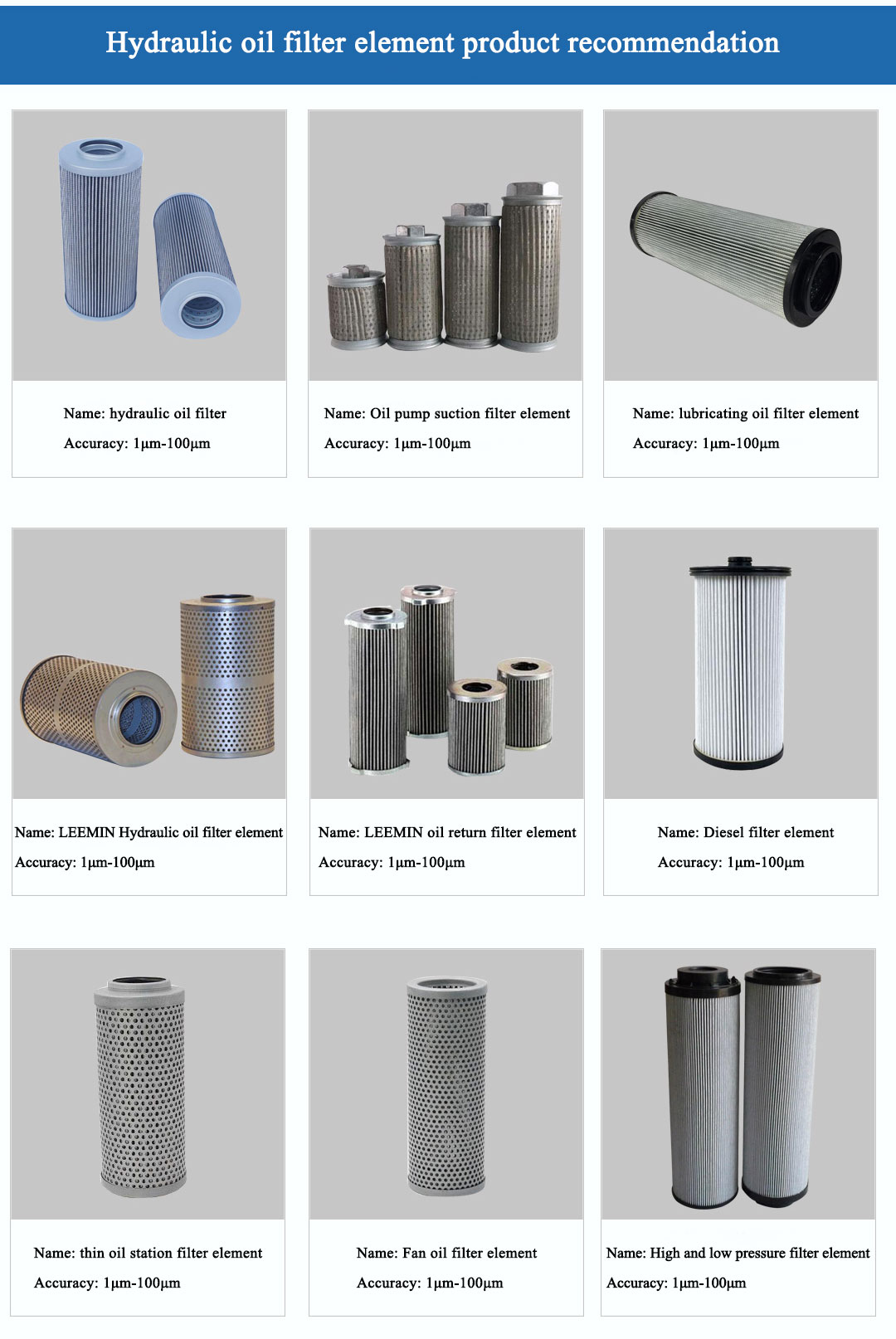
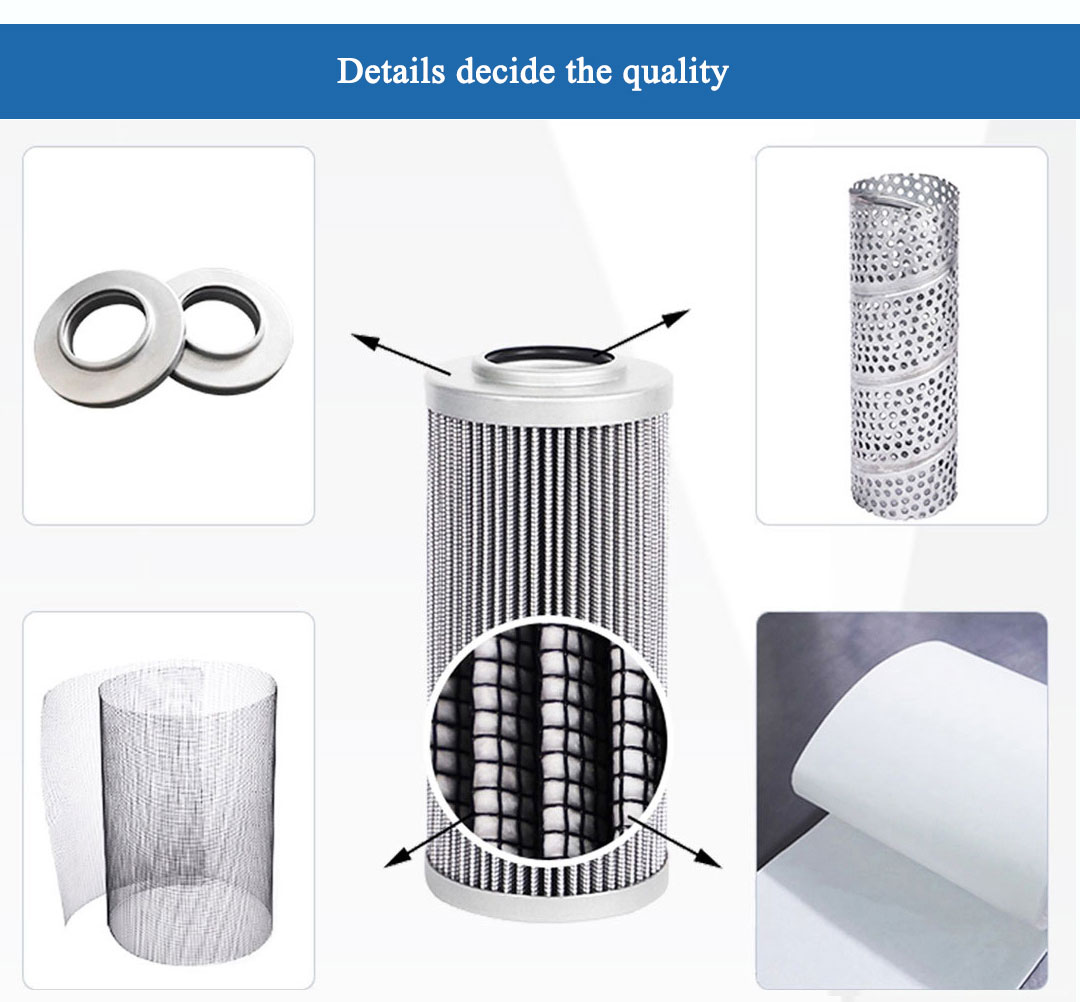
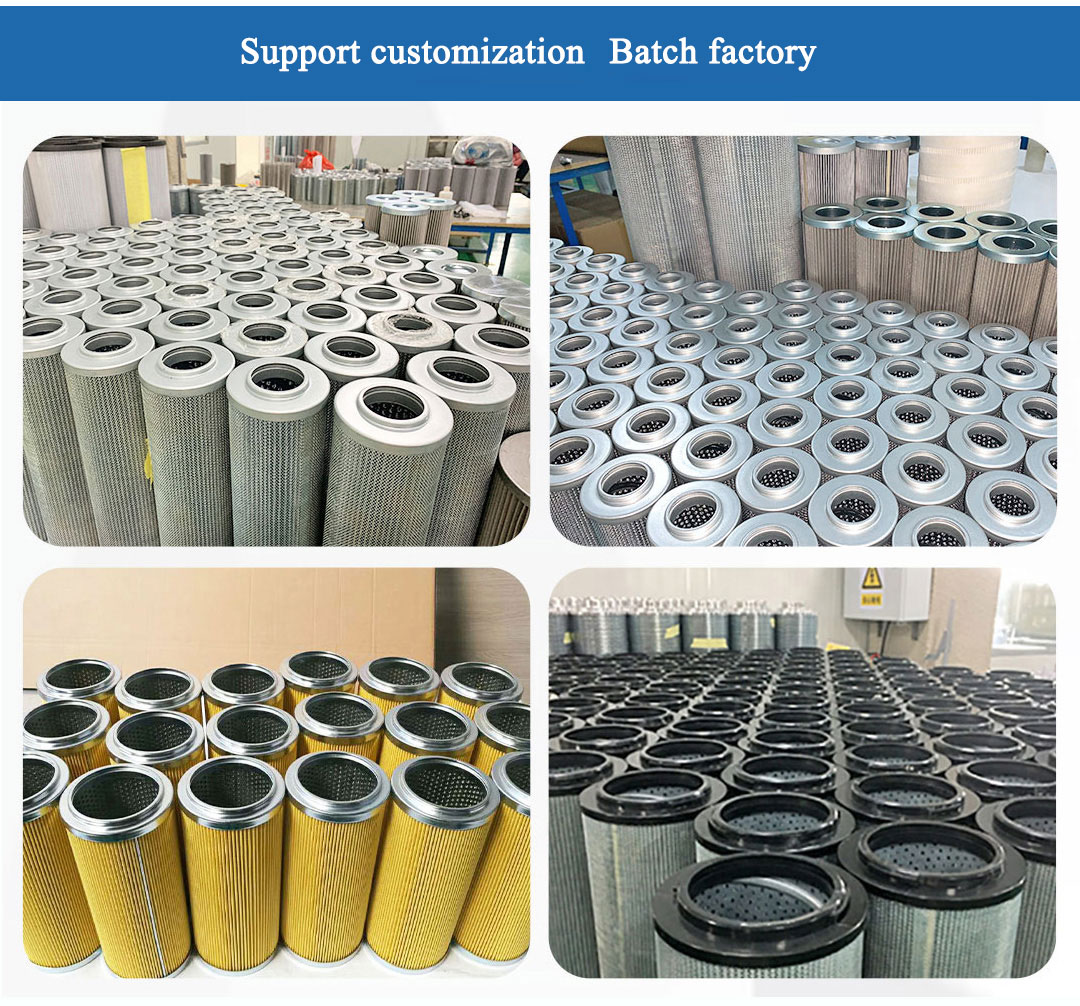
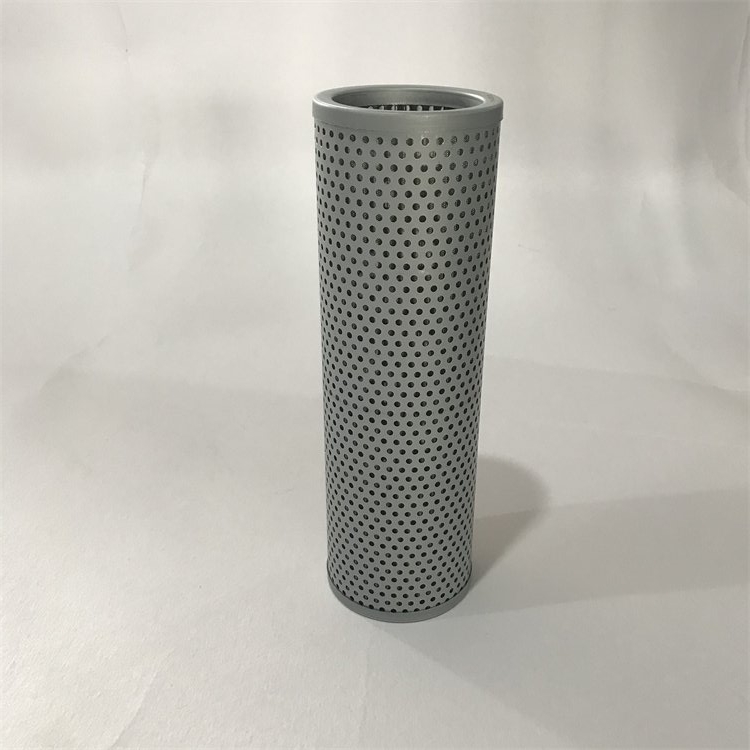
RUM053G10B hydraulic oil filter
Similar ProductsVIEW MORE >
WhatsApp / Wechat: +8613273719759
Factory Address: Zhengshang Navigation Square, South Hanghai Road, Erqi District, Zhengzhou City, Henan Province P.R.China.


 Export01@aiteeps.com
 ++8613273719759
