
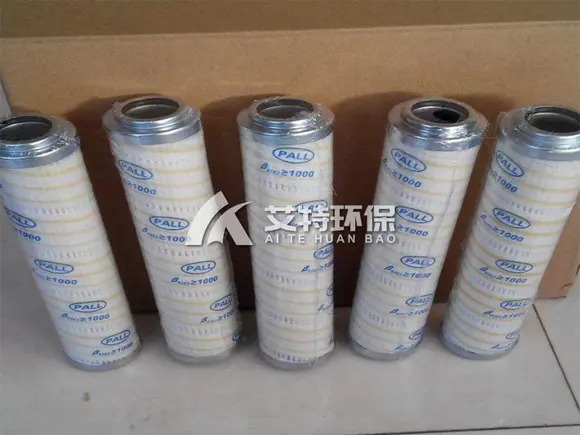
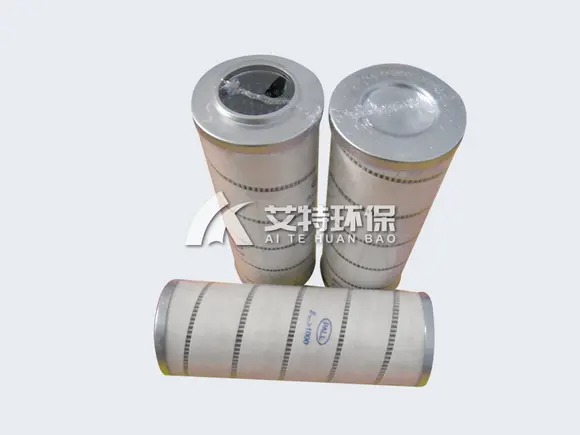
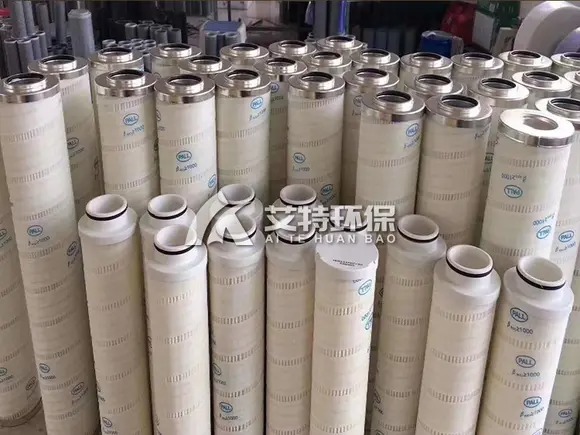
HC8904FKN39Z filter element is composed of shell, multiple filter element, backwash tissue, and differential pressure controller. The diaphragm in the shell divides the inner cavity into upper and lower cavities.
The HC8904FKN39Z Filter Elementis a high-performance filtration component engineered for demanding hydraulic
and industrial fluid applications. The complete filter assembly comprises a robust shell housing, multiple filter elements,
a backwash mechanism, and a differential pressure controller – all integrated into a compact, efficient design.
The internal architecture features a diaphragm that divides the shell cavity into upper and lower chambers.
The upper chamber accommodates multiple filter elements arranged to maximize filtration space utilization,
significantly reducing the overall filter footprint while maintaining high contaminant-holding capacity.
The lower chamber houses the backwash suction device, enabling efficient cleaning without disassembly.
This innovative design makes full use of available filtration space, resulting in a compact filter with exceptional
flow capacity and contaminant retention performance. Whether used in continuous operation or intermittent service,
the HC8904FKN39Z series delivers reliable, consistent performance across a wide range of operating conditions.
Working Principle
During normal filtration operation, the turbid (contaminated) fluid enters the lower chamber of the filter through the inlet port.
The fluid then passes through partition holes into the inner cavity of each filter element. As the fluid flows through the
filter media, solid contaminants are intercepted and retained within the porous structure of the pall (pleated) filter element,
while the clean (filtrate) liquid reaches the upper chamber through the media gaps and is discharged through the outlet port.
The filtration mechanism effectively collects pollutants in various forms. The filter element assembly acts as the primary
collection device for solid particulate contaminants. For applications requiring magnetic particle removal,
optional magnetic filter configurations are available to absorb ferrous metallic particles, complementing the mechanical
filtration provided by the standard media.
The backwash function operates when the differential pressure controller detects that the pressure drop across the filter
elements has reached the preset threshold. The suction device in the lower chamber then cleans the element surfaces,
dislodging accumulated contaminants for discharge, extending element service life, and ensuring sustained filtration
efficiency without interrupting system operation.
Technical Specifications
Parameter Specification
Model HC8904FKN39Z and compatible variants
Housing construction Diaphragm-separated upper/lower chambers
Upper chamber Multiple filter elements (space-optimized arrangement)
Lower chamber Backwash suction device
Filter media options Glass fiber filter paper (BN), Stainless steel woven mesh (W), Wood pulp filter paper (P),
Stainless steel sintered mesh (V)
Filtration precision 1 μm – 100 μm (multiple grades available)
Operating pressure 21 bar – 210 bar (300 – 3,000 psi)
Working media General hydraulic oil, phosphate ester hydraulic fluid, emulsions, water-glycol fluids
Operating temperature –30°C to +110°C
Sealing materials Fluorocarbon rubber (FKM/Viton), Nitrile rubber (NBR)
Pressure differential rating 0.245 MPa (maximum support skeleton withstand)
Beta ratio β ≥ 1000 (for specified particle size)
Flow configuration Outside-in (contaminants collected on element exterior)
Key Performance Characteristics
1. High Flow Capacity with Low Pressure Loss – The optimized media structure and large filtration area allow high flow
rates to pass through with minimal pressure drop, reducing energy consumption and extending service intervals.
2. Outside-In Flow Design – The outside-in flow path ensures that contaminants are intercepted on the exterior surface of
the filter element, making element replacement quick and clean while preventing accumulated debris from being washed
into the clean fluid stream during servicing.
3. Robust Internal Support – Each filter element features a polypropylene (PP) support skeleton with sufficient structural
strength to withstand differential pressures up to 0.245 MPa, preventing media collapse or deformation under high-pressure
conditions.
4. Exceptional Filtration Efficiency – The filter elements achieve a Beta ratio (β) greater than 1000 for the rated particle size,
indicating at least 99.9% removal efficiency. This ensures superior fluid cleanliness protection for sensitive system components.
5. Modular Multi-Element Configuration – The filter housing can accommodate multiple filter elements within a single shell,
supporting a wide flow range from startup to continuous full-load operation. This modular approach allows flexible
configuration to match system requirements.
6. Long Service Life – Durable media construction and the backwash cleaning capability significantly extend element service life,
reducing replacement frequency and operating costs. For less demanding applications, a reduced number of elements may be
economically configured without compromising performance.
7. Versatile Media Selection – Four distinct media types accommodate diverse application requirements:
· Glass fiber (BN): High efficiency, depth-loading, excellent for precision hydraulic systems
· Stainless steel mesh (W): Reusable, washable, high strength for coarse filtration
· Wood pulp (P): Economical, good efficiency for general-purpose applications
· Sintered mesh (V): Superior strength, high temperature capability, corrosion resistance
8. Wide Fluid Compatibility – Compatible with general hydraulic oils, phosphate ester hydraulic fluids, emulsions,
and water-glycol fluid types, offering flexibility for diverse system designs.
9. Comprehensive Sealing Options – Fluorocarbon (FKM/Viton) and Nitrile (NBR) seals provide reliable leakage protection
across the full operating temperature range of –30°C to +110°C.
10. Differential Pressure Indication – The integrated differential pressure controller provides real-time monitoring of element
contamination status, enabling timely maintenance and preventing bypass operation or element damage.
Applications
· Industrial hydraulic systems (injection molding, presses, machine tools)
· Mobile hydraulic equipment (construction, agriculture, mining)
· Turbine lubrication and EHC (electro-hydraulic control) systems
· Process fluid filtration in power generation and steel production
· Phosphoric ester fluid systems (fire-resistant hydraulic applications)
· Water-glycol hydraulic systems requiring compatible materials
Maintenance Guidelines
1. Monitor Differential Pressure – When the pressure differential reaches the recommended change-out or cleaning threshold,
initiate the backwash cycle or schedule element replacement.
2. Backwash Operation – The integrated backwash suction device cleans element surfaces without requiring element removal.
Verify proper operation of the backwash mechanism during scheduled maintenance.
3. Element Replacement – When backwash no longer restores acceptable pressure drop, replace the element(s).
Follow proper handling procedures to prevent pleat damage.
4. Seal Replacement – Always replace O-ring seals when servicing elements to ensure leak-free installation.
5. Media Selection Verification – Confirm that the selected media type is compatible with your system fluid and operating
temperature before installation.
FAQ (Frequently Asked Questions)
Q1: What does the model number HC8904FKN39Z represent?
A: HC8904FKN39Z is a specific model identifier indicating the series, housing size, media type, and precision grade.
The suffix letters denote media type (e.g., FKN indicates specific media and configuration). Please refer to our complete
model code guide for detailed decoding information.
Q2: What is the significance of β value ≥ 1000?
A: Beta ratio (β) is a measure of filtration efficiency. β = 1000 means the filter captures 99.9% of particles at the rated size.
This is calculated as (number of upstream particles) / (number of downstream particles). Higher beta values indicate superior
contaminant removal.
Q3: Can stainless steel mesh elements be cleaned and reused?
A: Yes. Stainless steel woven mesh and sintered mesh elements can be cleaned and reused multiple times.
Use appropriate solvent and reverse-flow cleaning. Glass fiber and wood pulp elements are disposable.
Q4: What is the recommended differential pressure for element change-out?
A: Typically, replacement or backwash is recommended when the differential pressure reaches 2–3× the clean element
pressure drop, or when the differential pressure controller indicates. The specific value depends on your system and fluid
viscosity.
Q5: Are these elements compatible with phosphate ester fluids?
A: Yes. The HC8904FKN39Z series is specifically rated for phosphate ester hydraulic fluids. Ensure that the correct seal
material (FKM) is selected for phosphate ester compatibility.
Q6: What is the difference between BN and V media types?
A: BN (glass fiber) offers high-efficiency depth filtration for fine particle removal. V (stainless steel sintered mesh) provides
superior mechanical strength, high temperature capability, and corrosion resistance, making it suitable for harsh or
high-temperature applications.
Q7: How does the outside-in flow design benefit operation?
A: Outside-in flow collects contaminants on the element's exterior surface, making them easy to remove during backwash or
servicing. This prevents trapped contaminants from washing downstream during element change-out.
Q8: Can the filter housing accommodate a different number of elements?
A: Yes. The housing is designed to accept multiple elements, allowing flow capacity to be scaled. For applications with lower
flow requirements, fewer elements may be installed; consult our engineering team for specific configuration guidance.
Q9: Is the HC8904FKN39Z interchangeable with OEM Pall filters?
A: Yes. The HC8904FKN39Z is manufactured to meet or exceed OEM specifications and is fully interchangeable with Pall filter
elements of the same series and ratings.
Q10: What is the expected service life of these filter elements?
A: Service life depends on system contamination levels, operating hours, and backwash frequency. Under normal conditions,
elements may last 6–24 months with regular backwash intervals.
Q11: Are magnetic filters available as an option?
A: Yes. Optional magnetic filter configurations are available to absorb ferrous magnetic particles, enhancing contaminant
removal when metallic wear debris is a concern.
Q12: Do these elements support water-glycol fluids?
A: Yes. The media and seal materials are compatible with water-glycol hydraulic fluids. Please verify specific media selection
with our technical team for your fluid type.
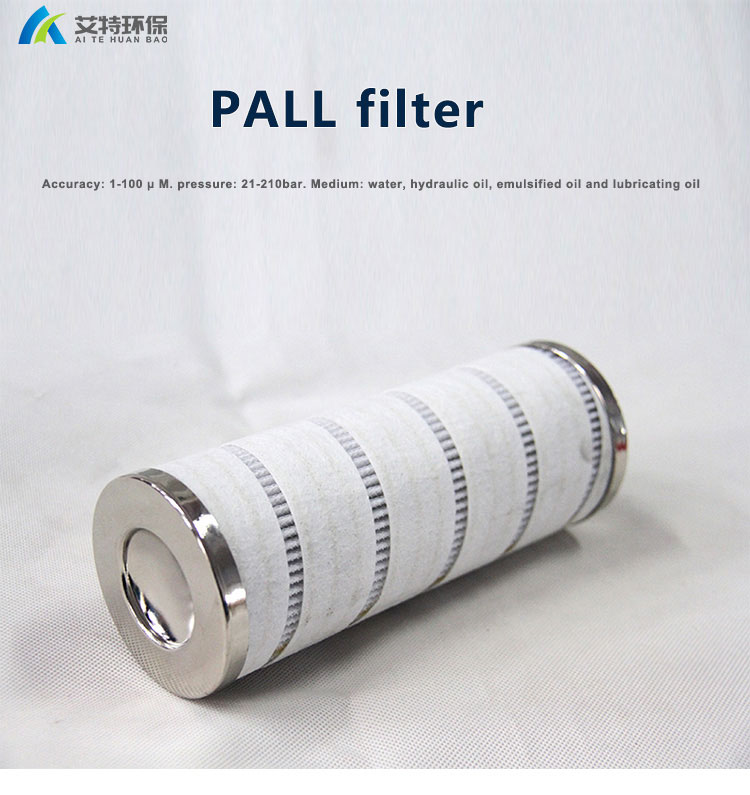
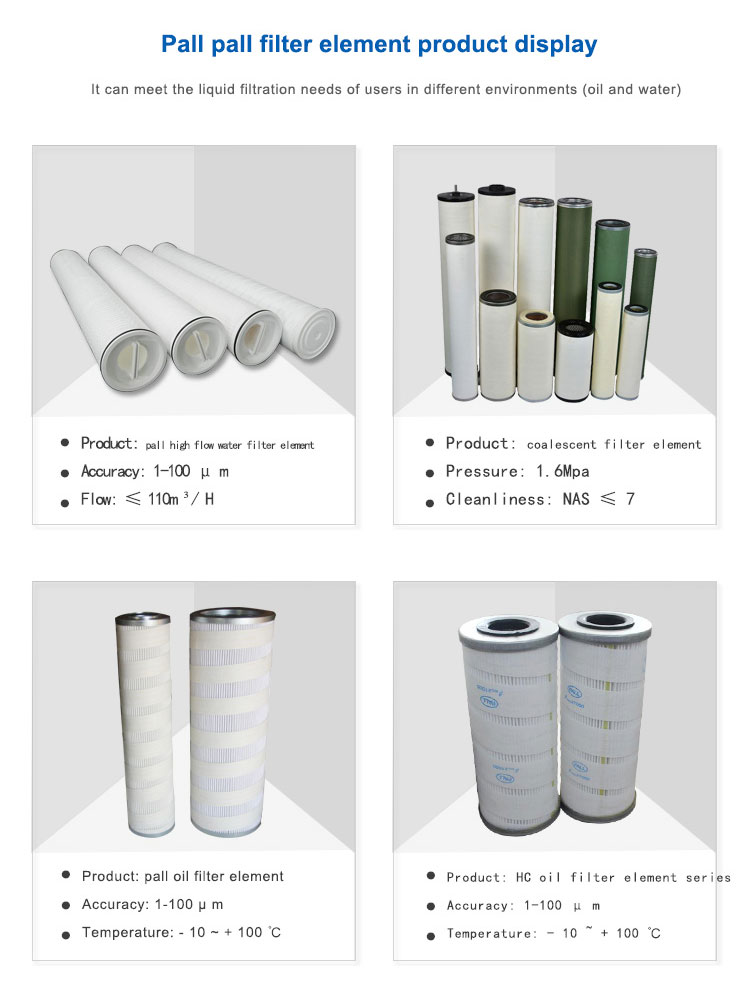
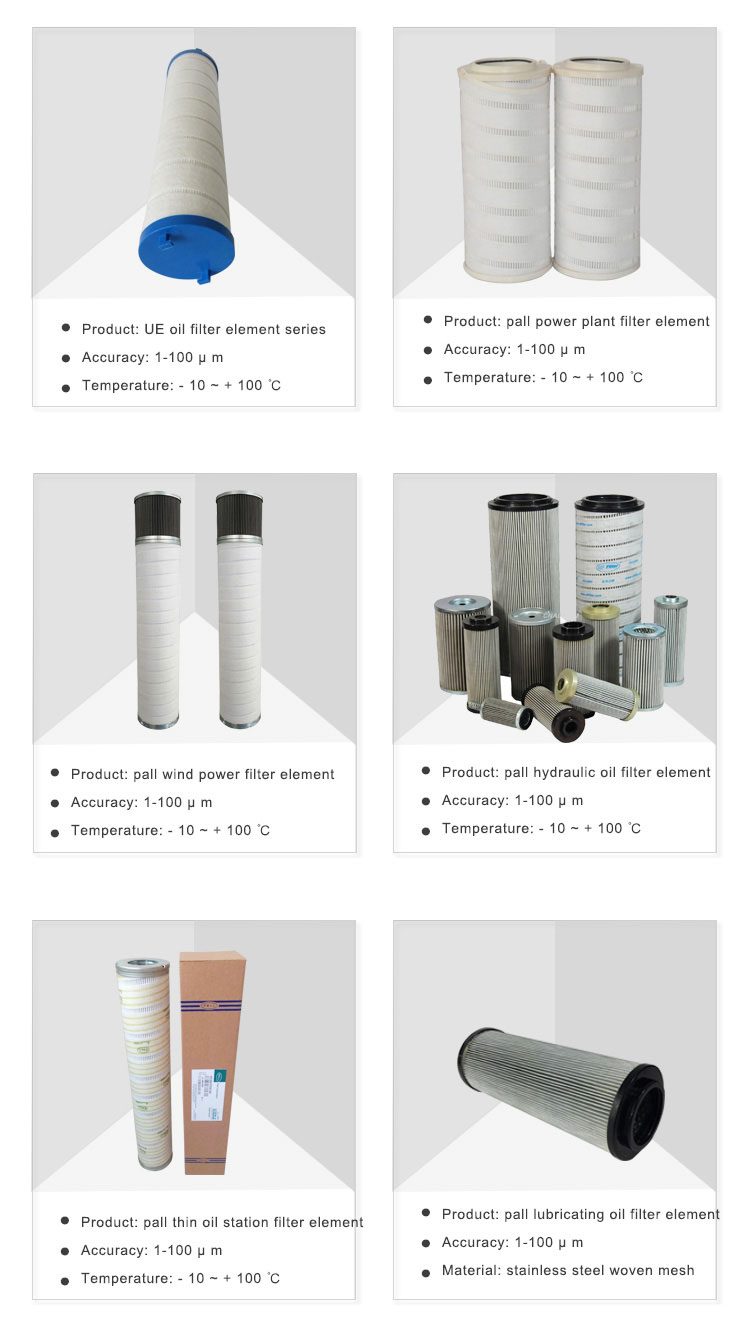
HC8904FKN39Z filter element
Similar ProductsVIEW MORE >
WhatsApp / Wechat: +8613273719759
Factory Address: Zhengshang Navigation Square, South Hanghai Road, Erqi District, Zhengzhou City, Henan Province P.R.China.


 Export01@aiteeps.com
 ++8613273719759
