
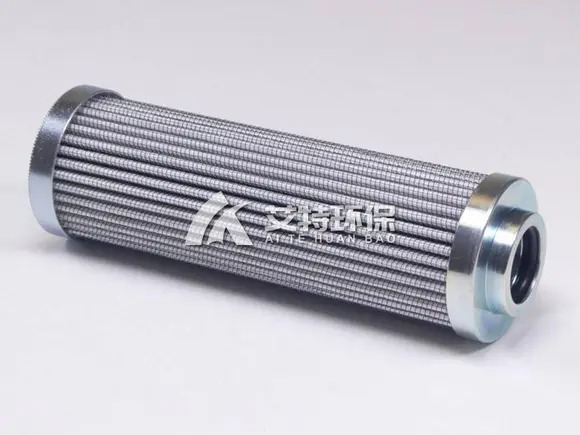
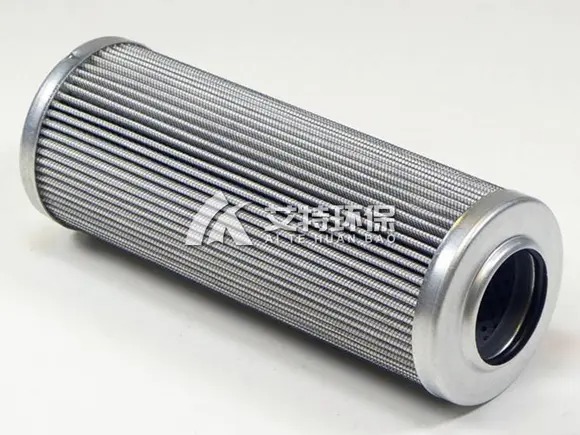
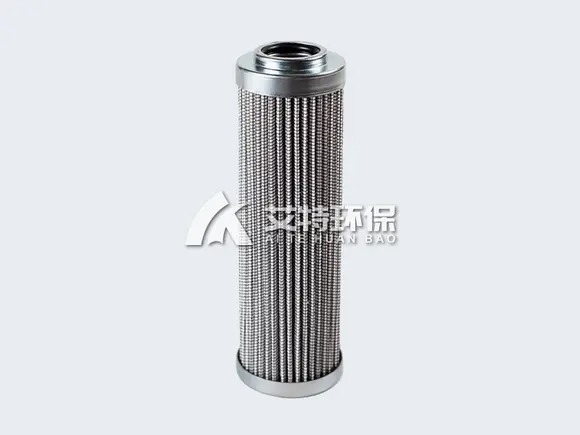
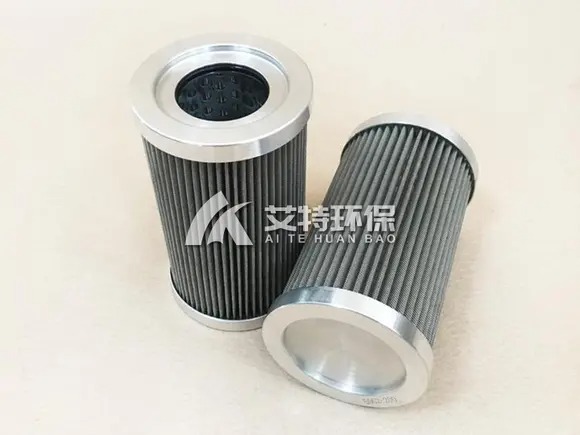
SM181G10B filter element is an indispensable part of the pipeline series of the conveying medium. It is usually installed in the inlet filter of the hydraulic system to filter the metal particles and pollution impurities in the fluid medium, which can protect the normal operation of the equipment. When the fluid enters the filter, the impurities are blocked. The clean filtrate is discharged through the filter outlet.
The SM181G10B filter element is an essential and indispensable component within the pipeline series of fluid transmission
systems. Typically installed at the inlet filter of hydraulic systems, this element is specifically designed to remove metallic
particles, abrasive contaminants, and colloidal impurities from the fluid medium. By doing so, it effectively protects the
normal operation of critical downstream equipment—including pumps, valves, actuators, and precision bearings—from
premature wear, corrosion, and catastrophic failure. In modern industrial operations, where equipment reliability and uptime
are paramount, the selection and maintenance of high-quality filter elements directly impact productivity, operational costs,
and overall system longevity.
The SM181G10B operates on a straightforward yet highly effective filtration principle. As the contaminated fluid enters the
filter housing and passes through the element, the filter media captures and retains solid particles and impurities on its
surface and within its depth. The clean filtrate is then discharged through the filter outlet, ready to continue its circuit through
the hydraulic system. One of the key distinguishing features of the SM181G10B is its cleanability and reusability. When cleaning
is required, the element can be simply removed from the filter housing, treated with industrial cleaning fluids,
and reloaded—providing significant cost savings and reduced waste compared to single-use disposable elements.
Technical Parameters
The SM181G10B filter element is precision-engineered with the following key specifications:
Parameter Specification
Filter media High-quality glass fiber filter material
Filtration accuracy 1 ~ 25 μm (multiple grades available)
Filtration ratio βₓ ≥ 100 (≥99% efficiency at rated particle size)
Structural strength ratings 1.0 MPa, 2.0 MPa, 16.0 MPa, 21.0 MPa
Working media Mineral hydraulic oils, synthetic fluids, water-glycol emulsions, and other compatible media
Operating temperature -30°C ~ +110°C (dependent on seal material)
Sealing material NBR (nitrile), FKM (fluoroelastomer), or other options based on application
Flow direction Inside-out or outside-in (housing dependent)
End caps Corrosion-resistant steel or galvanized steel
Cleanability Yes — can be cleaned and reused multiple times
Comprehensive Media and Performance Characteristics
The SM181G10B filter element is engineered with advanced glass fiber filtration media, delivering exceptional performance
across a wide range of operating conditions. Its key performance characteristics include:
1. Superior filtration performance – The high-quality glass fiber media provides uniform surface filtration for particle sizes
ranging from 2 to 200 μm. The depth-loading structure captures contaminants throughout the media thickness, ensuring
consistent particle retention and high dirt-holding capacity.
2. Excellent corrosion resistance – The element is constructed from corrosion-resistant materials, ensuring reliable performance
even in harsh environments where moisture, chemicals, or corrosive fluids may be present.
3. Superior heat resistance – The glass fiber media maintains its structural integrity and filtration performance at elevated
temperatures, making the element suitable for high-temperature hydraulic and lubrication applications.
4. High pressure resistance – The element is designed to withstand differential pressures up to 21 MPa, ensuring reliable
operation in both low-pressure return lines and high-pressure main system lines.
5. Excellent wear resistance – The robust construction and high-strength materials resist abrasion and mechanical stress,
extending the element's service life and reducing replacement frequency.
6. Reusability – Unlike many disposable filter elements, the SM181G10B can be cleaned and reused multiple times.
After removal from the housing, the element can be treated with appropriate industrial cleaning fluids to remove accumulated
contaminants, then reloaded for continued service. This feature significantly reduces operational costs and waste generation,
making it an environmentally and economically sustainable choice.
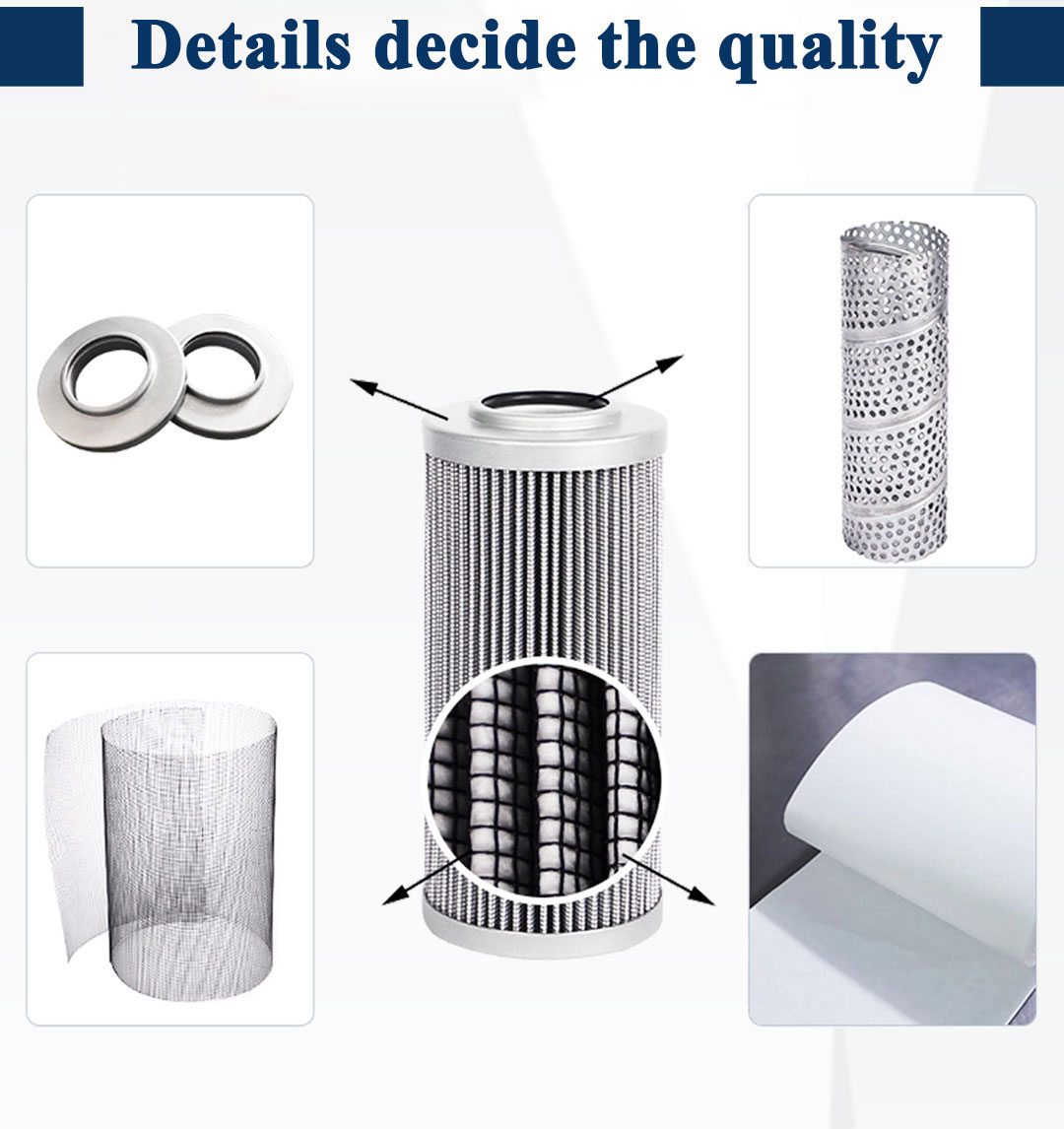
7. Uniform filtration surface – The pleated geometry and carefully controlled media permeability ensure uniform flow
distribution across the entire filtration surface, maximizing effective filtration area and minimizing localized pressure drop.
Working Principle
The SM181G10B filter element operates on the principle of physical separation through a porous filtration medium.
The filtration process can be described in three stages:
1. Inflow – Contaminated fluid under system pressure enters the filter housing and is directed toward the filter element.
2. Filtration – The fluid passes through the glass fiber filter media, which contains a network of precisely controlled pores.
Particles larger than the rated pore size are captured on the upstream surface, while finer particles are trapped within the
media's depth through inertial impaction, diffusion, and interception mechanisms. The multi-layer structure ensures high
contaminant removal efficiency across a broad particle size spectrum.
3. Clean outflow – The purified fluid, now free of harmful particulates and contaminants, exits the element through the filter
outlet and continues through the system to lubricate and protect sensitive components.
4. Maintenance – When the element becomes loaded with contaminants and the differential pressure reaches a predetermined
level, it can be removed, cleaned with industrial fluids, and reinstalled—restoring its filtration performance without the need
for replacement.
Quality Assurance
The SM181G10B filter element is manufactured under strict quality control in accordance with ISO 9001 standards. Production
processes include 100% visual inspection, bubble-point integrity testing, burst pressure validation, dimensional verification,
and flow-vs-pressure-drop characterization. The element design complies with relevant ISO filtration standards, ensuring
reliable, consistent, and verifiable performance.
Application Fields
The SM181G10B filter element is utilized across a broad spectrum of industries and applications:
1. Metallurgy – Hydraulic systems in rolling mills, continuous casting machines, and various lubrication equipment for
heavy-duty gearboxes and bearings.
2. Petrochemical – Separation and recovery of products and intermediate products in refining and chemical production,
as well as particle removal from oilfield injection water and natural gas streams.
3. Textile – Purification of polyester melt during drawing processes, air compressor protection filtration, and compressed gas
oil/water removal.
4. Electronics and Pharmaceuticals – Pre-filtration and polishing of reverse osmosis and deionized water systems, as well as
washing liquid and glucose solution pre-treatment.
5. Thermal and Nuclear Power – Gas turbine lube oil systems, boiler feed pump recirculation, speed control systems, bypass
oil purification loops, and dust collection system filtration.
6. Mechanical Processing Equipment – Lubrication and compressed air purification for paper machinery, mining equipment,
injection molding machines, precision machine tools, and dust recovery systems.
7. Automotive and Construction Machinery – Air filters, oil filters, and fuel filters for internal combustion engines, as well as
hydraulic oil filters, diesel pre-filters, and water separators for construction equipment, ships, and heavy trucks.
Frequently Asked Questions (FAQ)
Q1: How often should the SM181G10B filter element be cleaned?
A: Cleaning frequency depends on system contamination levels, operating pressure, flow rate, and duty cycle. The most reliable
method is to monitor the differential pressure (ΔP) across the element. Clean the element when ΔP reaches approximately
70~80% of the maximum allowable differential pressure for your system. In typical industrial environments, this may range
from 3 to 12 months, depending on operating conditions.
Q2: How do I properly clean the SM181G10B filter element?
A: The cleaning process involves the following steps:
1. Remove the element from the filter housing carefully.
2. Rinse the element gently with an appropriate industrial cleaning fluid compatible with the media and system fluid.
3. Use low-pressure compressed air or a soft brush to remove stubborn contaminants—avoid high-pressure cleaning,
which may damage the fiber structure.
4. Allow the element to dry completely before reinstallation.
5. Inspect the element for any damage before reloading.
For specific cleaning recommendations based on your fluid type, please consult our technical team.
Q3: How many times can the SM181G10B be cleaned and reused?
A: The service life of the element depends on the operating environment and cleaning methods. Under normal conditions
with proper cleaning procedures, the SM181G10B can typically be reused 3 to 5 times before replacement is necessary.
However, if the element shows signs of media degradation, fiber breakage, or reduced filtration efficiency, it should be replaced.
Regular inspection is recommended.
Q4: What is the difference between the SM181G10B and single-use filter elements?
A: The SM181G10B is designed for cleanability and reuse, offering significant cost savings and reduced waste compared to
single-use elements. It features a robust glass fiber media structure that can withstand repeated cleaning cycles without
significant performance degradation. Single-use elements, by contrast, are designed for disposal after a single service life
and cannot be effectively cleaned without damaging the media.
Q5: What fluids are compatible with the SM181G10B?
A: The standard SM181G10B is compatible with mineral hydraulic oils, synthetic fluids, water-glycol emulsions, and many other
industrial fluids. For aggressive chemicals, phosphate esters, or specialty fluids, please verify media and seal material
compatibility with our technical team. Custom seal options (EPDM, PTFE, etc.) are available upon request.
Q6: Can the SM181G10B be used in compressed air applications?
A: Yes. The SM181G10B is suitable for compressed air purification applications, including particle removal and oil/water
separation. For air applications, we recommend confirming operating temperature and pressure are within specified limits.
Please contact our application engineers for specific guidance.
Q7: What does the filtration ratio βₓ ≥ 100 mean?
A: The beta ratio (βₓ) is a standard measure of filtration efficiency. For example, β₁₀ ≥ 100 means that for every 100 particles
larger than 10 μm entering the filter, only 1 particle passes through, giving an efficiency of (1 – 1/100) × 100% = 99%.
This high efficiency ensures excellent protection of downstream components.
Q8: How do I know when the element needs cleaning rather than replacement?
A: The element needs cleaning when:
· Differential pressure reaches 70~80% of the maximum allowable level.
· Visual inspection shows visible contaminant accumulation on the media surface.
· System performance indicates potential flow restriction.
However, if the media shows signs of damage, cracking, or fiber breakage, replacement is recommended instead of cleaning.
Q9: Is the SM181G10B compatible with high-temperature hydraulic systems?
A: Yes, the glass fiber media maintains excellent performance up to 110°C. For systems operating at higher temperatures,
please consult our technical team for special high-temperature media options and seal material upgrades.
Q10: How do I identify genuine SM181G10B elements?
A: Genuine SM181G10B elements are marked with laser-etched model numbers, batch codes, and quality certification labels.
Each element is accompanied by a test certificate showing bubble-point integrity, burst pressure, and flow-vs-pressure-drop
performance. We strongly recommend purchasing from authorized distributors or directly from the manufacturer to avoid
counterfeit products.
Q11: What is the maximum allowable differential pressure before cleaning is required?
A: The maximum allowable differential pressure depends on the specific system and operating conditions. Generally,
we recommend cleaning when ΔP reaches 70~80% of the system's maximum allowable differential pressure
(typically 0.3~1.0 MPa for most applications). Operating beyond this range may cause media collapse or reduce filtration
efficiency.
Q12: What storage conditions are recommended for spare or cleaned elements?
A: Store elements in a cool, dry, and dust-free environment, away from direct sunlight, ozone sources, and extreme temperatures.
If cleaned but not immediately reinstalled, ensure the element is completely dry and sealed in protective packaging to prevent
moisture absorption and contamination ingress.
Q13: What standards does this filter element comply with?
A: The SM181G10B is designed and manufactured in accordance with ISO 9001 quality management standards. Its performance
is verified against ISO 2941 (collapse/burst pressure), ISO 2942 (bubble-point integrity), ISO 2943 (fluid compatibility),
ISO 3724 (flow fatigue resistance), and ISO 16889 (multi-pass filtration performance). These certifications ensure reliable,
consistent, and verifiable filtration performance.
For additional technical assistance, custom dimensional modifications, retrofitting support, or application-specific
recommendations, please contact our engineering support team. We are dedicated to providing high-quality, cost-effective
filtration solutions that enhance system reliability, extend equipment life, and minimize operational downtime across your
operations.
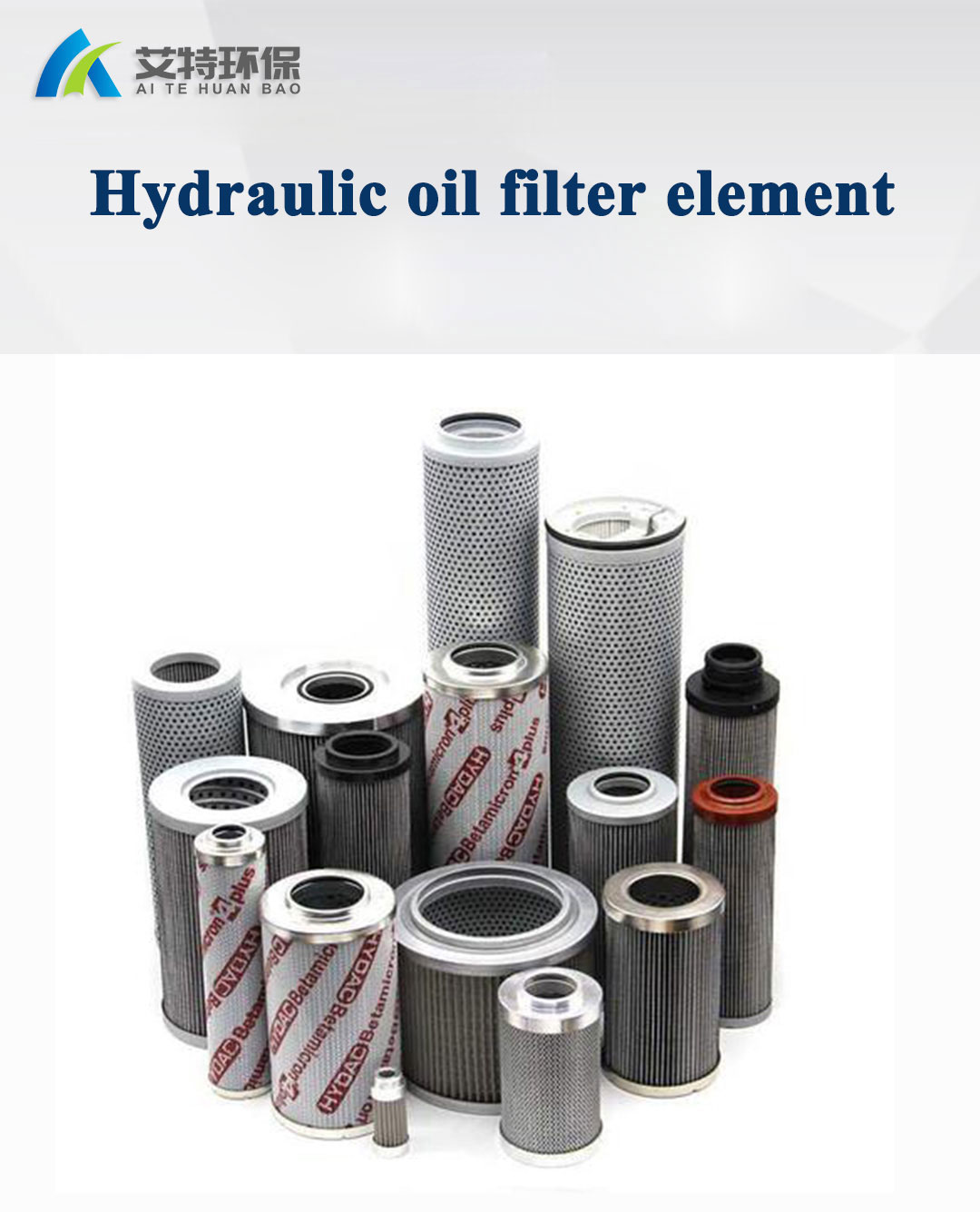
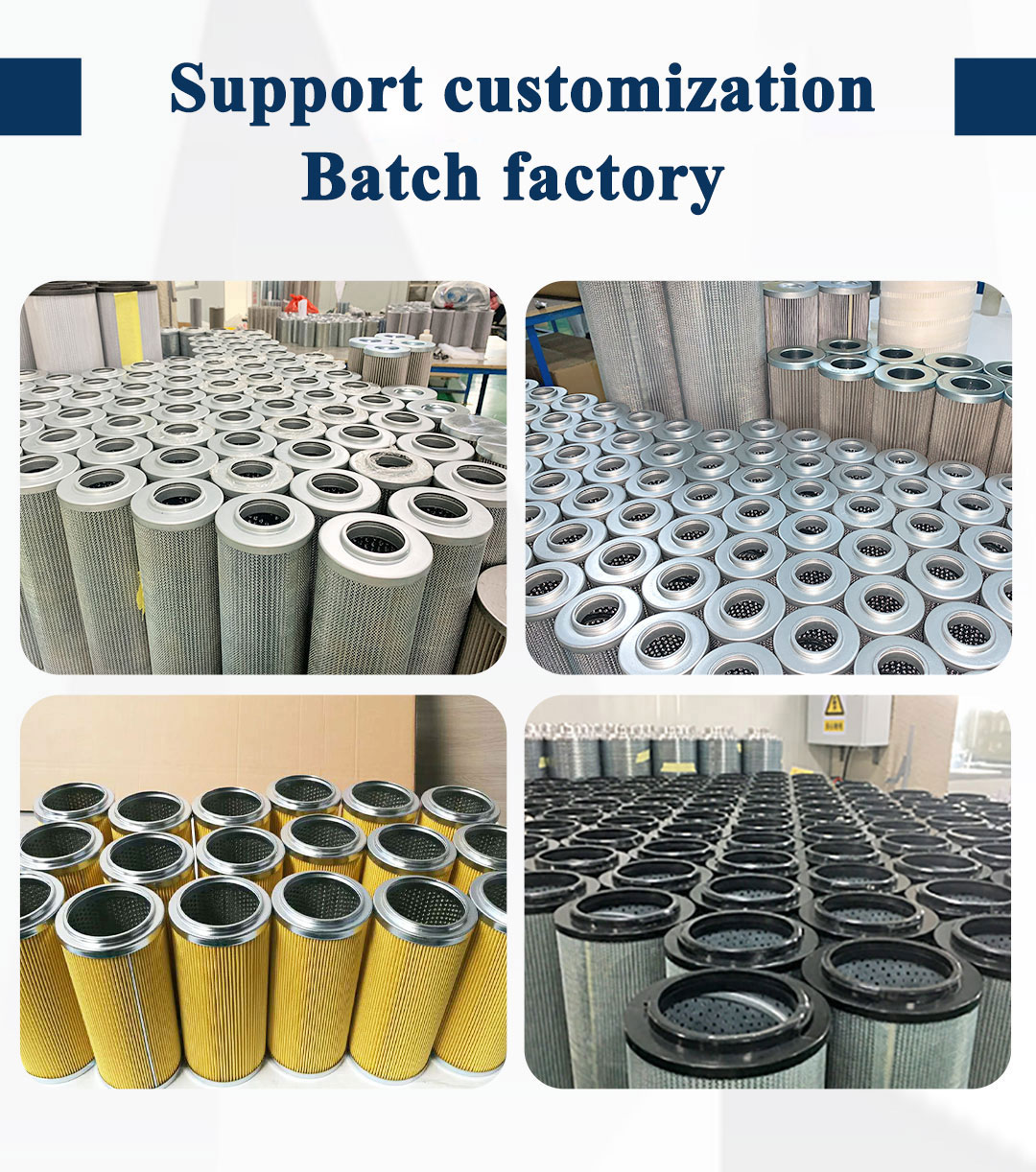
SM181G10B filter element
Similar ProductsVIEW MORE >
WhatsApp / Wechat: +8613273719759
Factory Address: Zhengshang Navigation Square, South Hanghai Road, Erqi District, Zhengzhou City, Henan Province P.R.China.


 Export01@aiteeps.com
 ++8613273719759
