
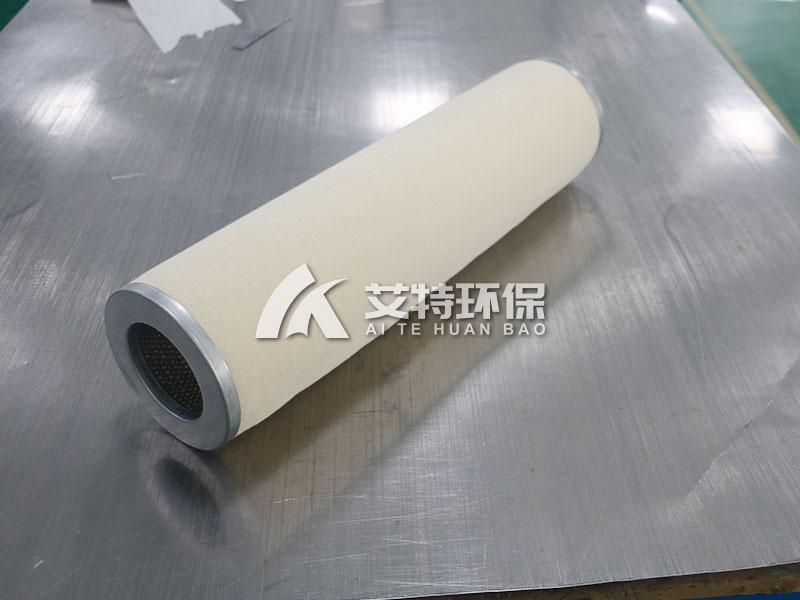
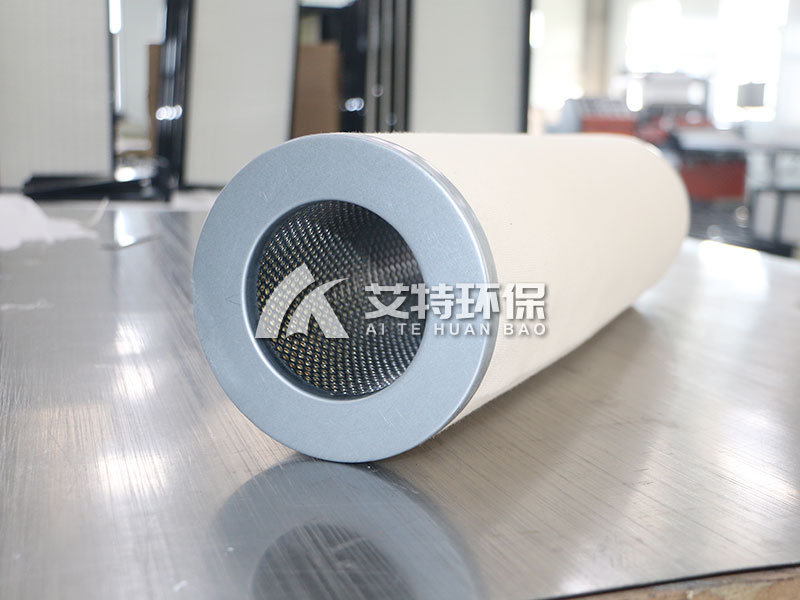
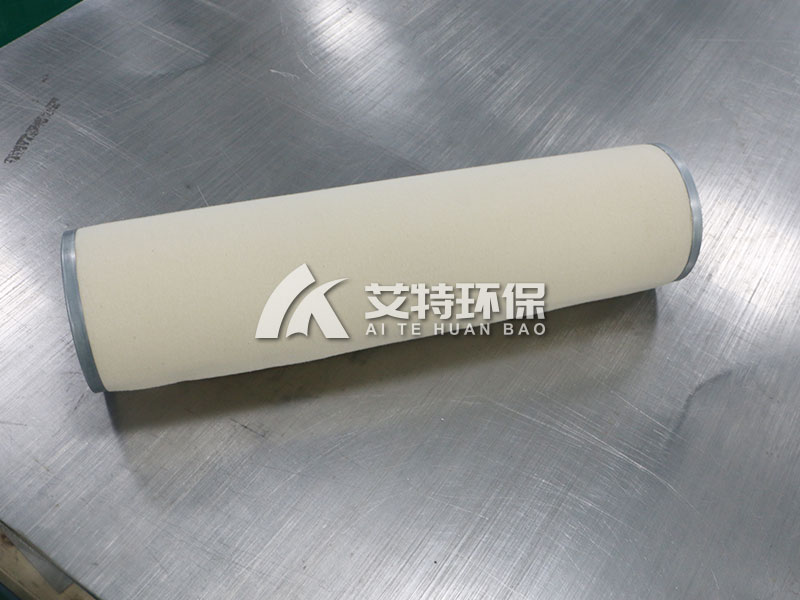
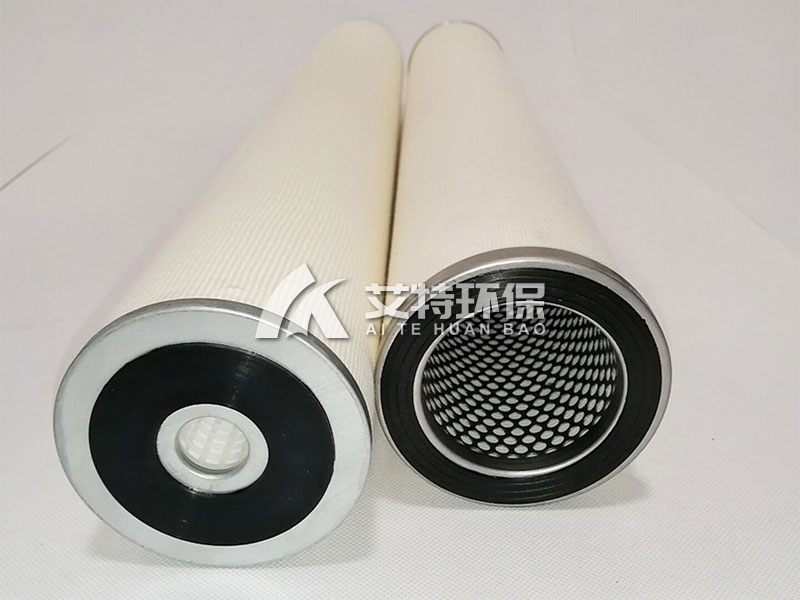
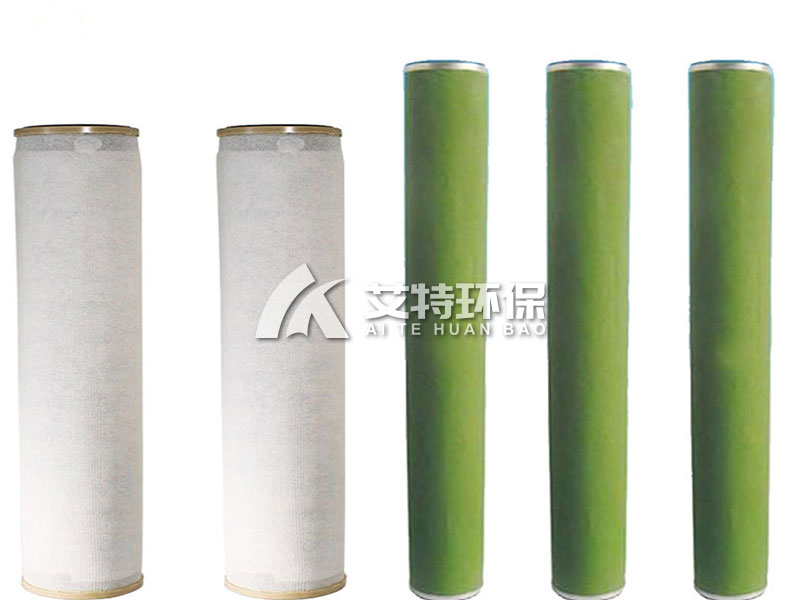
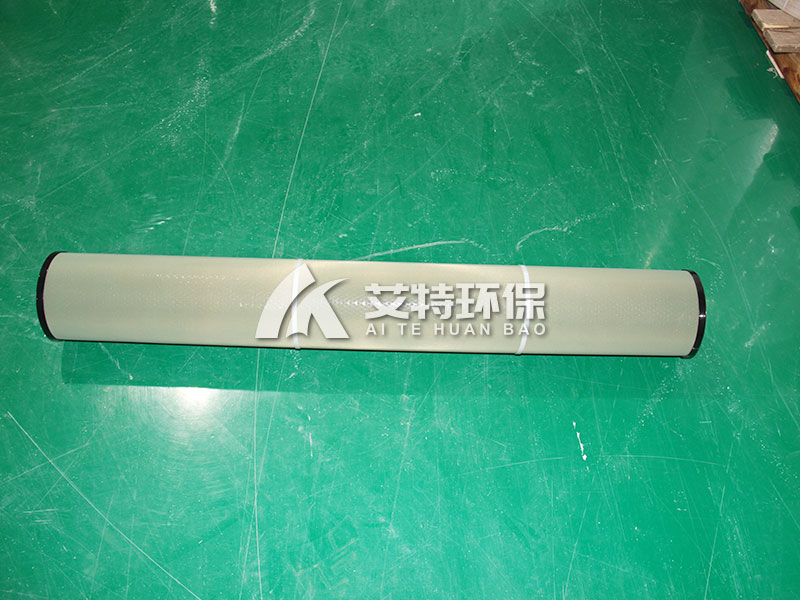
The natural gas filter element is used in the oil-water separation system, which mainly separates oil-water mixture, suspension solution, emulsion solution, etc.
Natural Gas Filter Element – High-Efficiency Oil-Water Separation and Precision Filtration Solution
In the oil and gas processing, petrochemical, and energy industries, the efficient separation of oil-water mixtures
is critical to ensuring process stability, equipment safety, and product quality. As the core component of oil-water
separation systems, the Natural Gas Filter Element plays a vital role in removing solid particles and separating oil
and water phases from mixed media. Through a multi-stage separation mechanism, it effectively processes
oil-water mixtures, suspended solutions, and emulsions, ensuring the system outputs clean, dry media and
extending the service life of downstream equipment.
This article provides a comprehensive overview of the Natural Gas Filter Element, including its product features,
technical advantages, working principle, application scope, and a detailed FAQ section to support your product
selection and maintenance decisions.
I. Product Overview
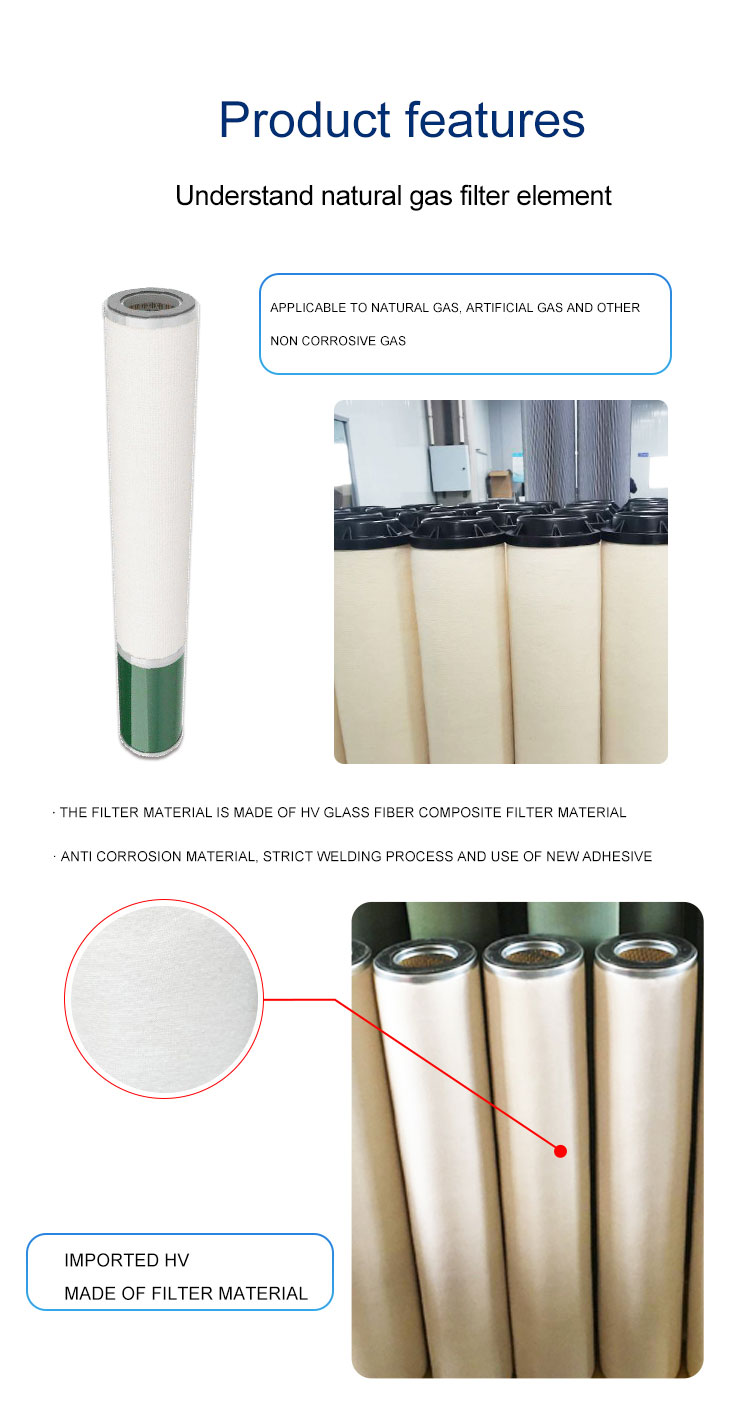
The Natural Gas Filter Element is specifically designed for oil-water separation systems, utilizing multi-layer
composite filter media and high-performance glass fiber layers to efficiently complete solid-liquid separation,
demulsification, coalescence, separation, and adsorption processes. Widely used in petroleum, chemical,
natural gas processing, and liquid purification fields, this filter element offers high filtration precision,
large flow capacity, strong dirt-holding capacity, and extended service life.
II. Working Principle – Multi-Stage Separation Process
The Natural Gas Filter Element operates through a carefully engineered five-stage separation process within
the oil-water separation system:
1. Solid-Liquid Separation – The incoming mixed fluid first passes through the filter media, where solid
particles (rust, dust, and mechanical impurities) are intercepted and retained, preventing them from
interfering with downstream separation processes.
2. Demulsification – The fluid then enters the demulsification layer, where the specially treated glass
fiber media breaks down oil-water emulsion structures, causing fine water droplets to coalesce into larger droplets.
3. Coalescence – As the fluid continues through the coalescing layer, smaller water droplets collide and merge
into larger droplets under the action of the filter media's surface properties and flow dynamics, making them
easier to separate.
4. Separation – The enlarged water droplets, now significantly larger in size, are separated from the oil phase
by gravity differential and the hydrophobic/hydrophilic properties of the separation layer, effectively removing
free water from the oil stream.
5. Adsorption – Finally, the fluid passes through an adsorption layer that captures residual fine water droplets
and trace contaminants, ensuring the outlet fluid achieves the required purity and dryness standards.
III. Key Features and Advantages
1. High Filtration Precision – The multi-layer composite filter paper structure ensures excellent particle retention
and separation efficiency, meeting stringent cleanliness requirements.
2. Optimized Glass Fiber Layer – Carefully designed and treated glass fiber layers provide superior demulsification
and coalescence performance, effectively breaking emulsions and promoting water droplet growth.
3. High Flow Density – The advanced media design allows for high flow rates per unit area, enabling compact filter
dimensions while maintaining processing capacity, which reduces the overall size of the filtration system.
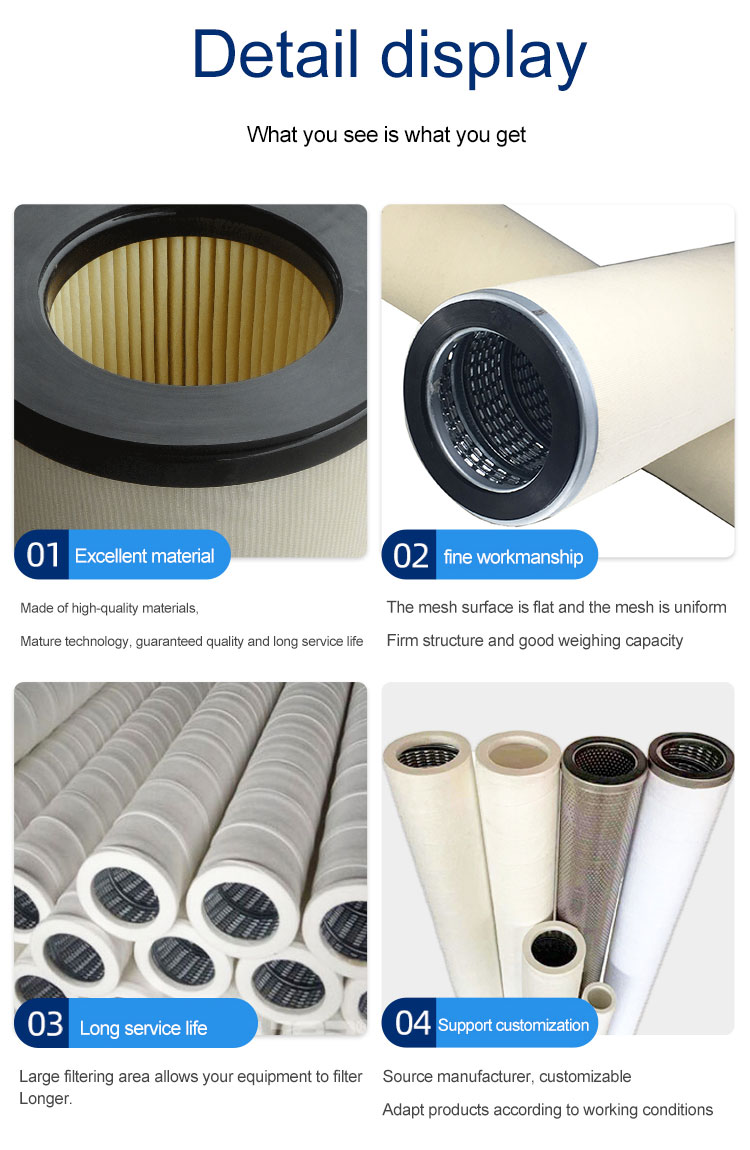
4. Large Dirt-Holding Capacity – The filter element's robust construction and high-porosity media provide substantial
contaminant retention capacity, significantly extending service life and reducing replacement frequency.
5. Long Service Life – With high-quality materials and optimized structural design, the Natural Gas Filter Element
delivers reliable performance over extended operating periods, lowering maintenance costs and downtime.
6. Complete Specification Range – Available in a wide variety of models and specifications to meet the needs of
different fine filtration applications, from small-scale pilot units to large industrial systems.
IV. Technical Specifications (Typical Values)
Parameter Specification
Product Name Natural Gas Filter Element
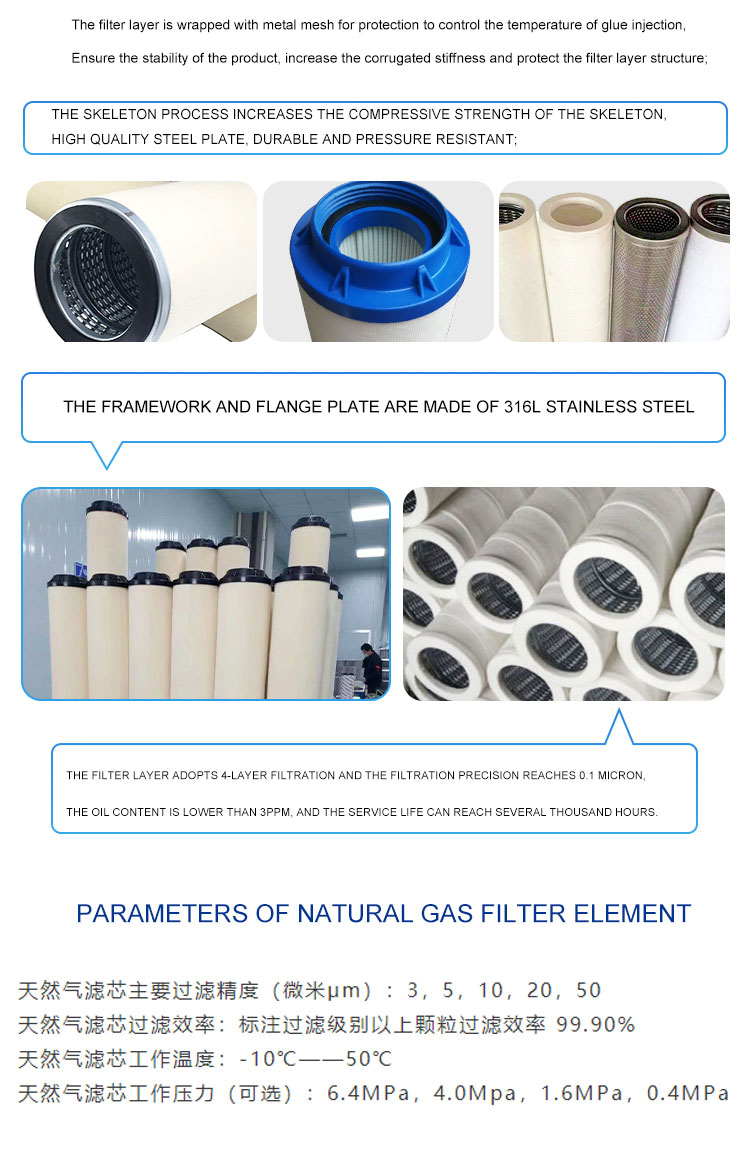
Filtration Precision 1 ~ 100 μm (depending on model)
Operating Temperature Range -20°C ~ +120°C (depending on seal material)
Operating Pressure Up to 20 MPa (model dependent)
Filter Media Material Multi-layer composite filter paper + glass fiber
Separation Efficiency ≥ 99.5% (for particles and water droplets above rated size)
Flow Capacity Customizable based on system requirements
End Cap Material Carbon steel / Stainless steel (optional)
Seal Material NBR / FKM / PTFE (based on medium compatibility)
V. Application Scope
The Natural Gas Filter Element is suitable for a wide range of liquid media and industrial applications:
1. Fuel Oils – Gasoline, kerosene, diesel fuel, and aviation fuel purification.
2. Cyclic Hydrocarbons & Solvents – Cyclohexane, isopropanol, cycloethanol, cycloethyl ketone, and similar organic solvents.
3. Lubricating and Hydraulic Oils – Turbine oils and other low-viscosity hydraulic fluids and lubricating oils
requiring water and particle removal.
4. Other Hydrocarbon Compounds – Various hydrocarbon-based liquids used in chemical processing.
5. Liquefied Petroleum Gas (LPG) & Aromatics – LPG, petroleum tar, benzene, toluene, xylene, cumene,
polypropylene, and related petrochemical products.
6. Natural Gas Processing – Dehydration and hydrocarbon dew-point control in natural gas treatment facilities.
7. Aviation and Marine Fuel Systems – Filtration of jet fuel and marine diesel to meet strict water and solids
contamination limits.
VI. Frequently Asked Questions (FAQ)
Q1: What is the recommended replacement interval for the Natural Gas Filter Element?
A: The replacement interval depends on the contamination level of the feed stream, operating flow rate,
and differential pressure. We recommend monitoring the pressure differential across the filter element.
When the pressure drop reaches the manufacturer's recommended alarm value (typically 0.1–0.2 MPa
above the initial clean pressure drop), replacement is required. Under typical operating conditions,
inspection and replacement every 6 to 12 months or after 2,000 to 5,000 operating hours is common.
Q2: Can this filter element be cleaned and reused?
A: No. The Natural Gas Filter Element is designed for single-use only. Cleaning may damage the multi-layer
composite structure and glass fiber media, compromising filtration precision and separation efficiency.
Always replace with a new element to ensure reliable performance.
Q3: What is the separation efficiency of this filter element?
A: The Natural Gas Filter Element achieves a separation efficiency of over 99.5% for particles and water
droplets larger than the rated micron size. The demulsification and coalescing layers effectively break emulsions,
ensuring high-quality outlet fluid with minimal water and solids content.
Q4: Can this filter element handle high-viscosity fluids?
A: Yes, it is compatible with low to medium-viscosity fluids such as turbine oils, hydraulic oils, and various
hydrocarbon compounds. For high-viscosity fluids, we recommend consulting our technical team to select
the appropriate model and ensure optimal flow performance.
Q5: Is this filter element compatible with different seal materials?
A: Yes. We offer multiple seal material options:
· NBR (Nitrile): Suitable for mineral oils, diesel, and general hydrocarbons.
· FKM (Viton): Required for high-temperature applications and aromatic solvents.
· PTFE: For aggressive chemicals and extreme environments.
Please specify your working medium and temperature when ordering.
Q6: How do I select the correct filtration precision for my application?
A: Filtration precision selection depends on the downstream equipment sensitivity and product quality requirements:
· 1–5 μm: For high-precision applications such as aviation fuel and turbine oil.
· 10–20 μm: For general fuel and lubricating oil filtration.
· 25–50 μm: For pre-filtration and coarse separation applications.
Contact our engineering team for customized recommendations based on your specific process conditions.
Q7: Can the Natural Gas Filter Element remove dissolved water?
A: The filter element primarily removes free water and emulsified water. For dissolved water removal,
additional dehydration equipment such as vacuum dehydrators or absorption dryers may be required.
The coalescing and separation layers are optimized for free water and emulsion breaking.
Q8: What is the maximum operating pressure for this filter element?
A: The maximum operating pressure depends on the specific model. Standard designs handle pressures up
to 20 MPa. For higher-pressure applications, please consult our technical team to select a reinforced design.
Q9: Does the filter element comply with international quality standards?
A: Yes. Our Natural Gas Filter Elements are manufactured in accordance with ISO 9001 quality management
systems and tested to relevant industry standards, ensuring consistent performance and reliability.
Q10: What are the consequences of operating with a clogged filter element?
A: A clogged filter element causes increased differential pressure, leading to reduced flow capacity, potential
by-pass valve opening (if equipped), and decreased separation efficiency. If the bypass opens, unfiltered
fluid may pass through, compromising downstream equipment protection. Regular monitoring and timely
replacement are essential.
Q11: How should unused filter elements be stored?
A: Store filter elements in their original packaging in a dry, cool, and dust-free environment. Avoid direct sunlight,
extreme temperatures, and exposure to corrosive gases or chemicals. Recommended storage temperature is
below 40°C with relative humidity below 80%. Use on a first-in, first-out (FIFO) basis.
Q12: How do I properly dispose of used filter elements?
A: Used filter elements may contain hydrocarbon residues and captured contaminants. Please follow local
environmental regulations for disposal. Typically, used elements should be drained of fluids and disposed
of as industrial hazardous waste or sent to authorized recycling facilities.
Conclusion
The Natural Gas Filter Element is a high-performance filtration solution designed for oil-water separation
systems in the oil and gas, petrochemical, and energy industries. With its advanced multi-stage separation
mechanism—including solid-liquid separation, demulsification, coalescence, separation, and adsorption—it
effectively removes solid particles, breaks emulsions, and separates free water from hydrocarbon fluids.
Featuring high filtration precision, large dirt-holding capacity, long service life, and a wide range of specifications,
this filter element meets the demanding requirements of diverse industrial applications.
For more technical information, cross-referencing, or customized solutions, please contact our sales and support
team today.
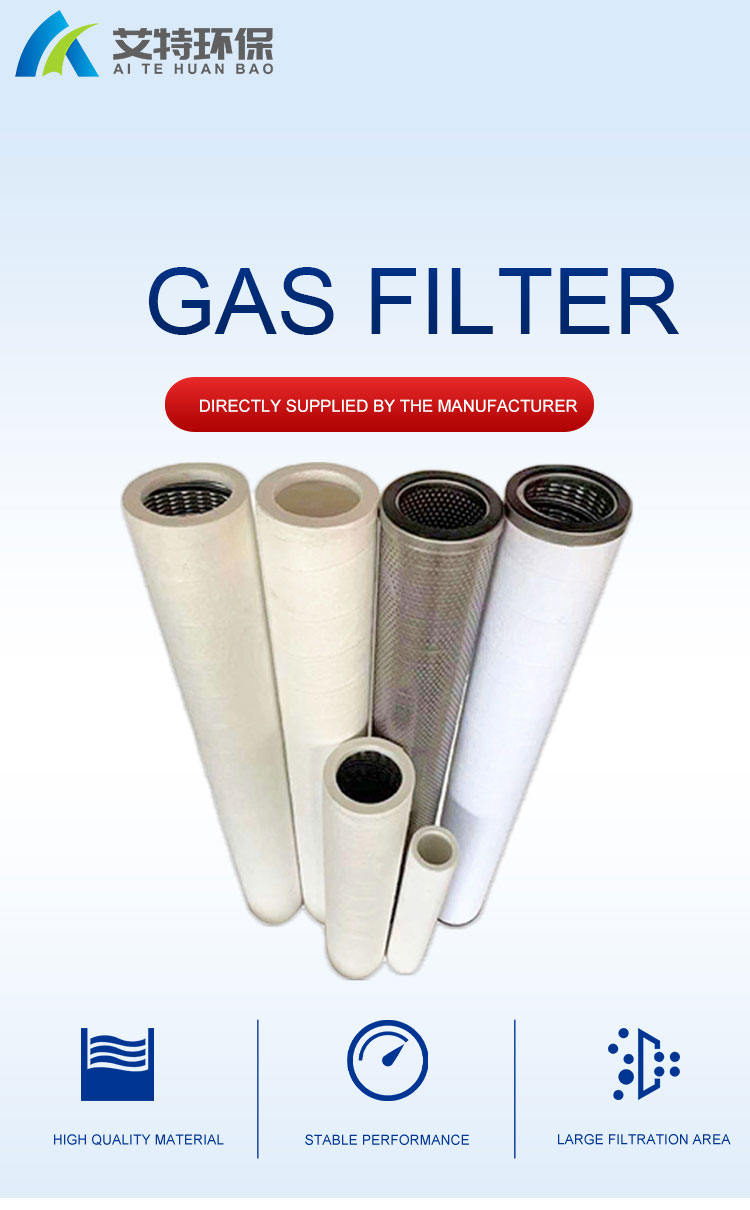
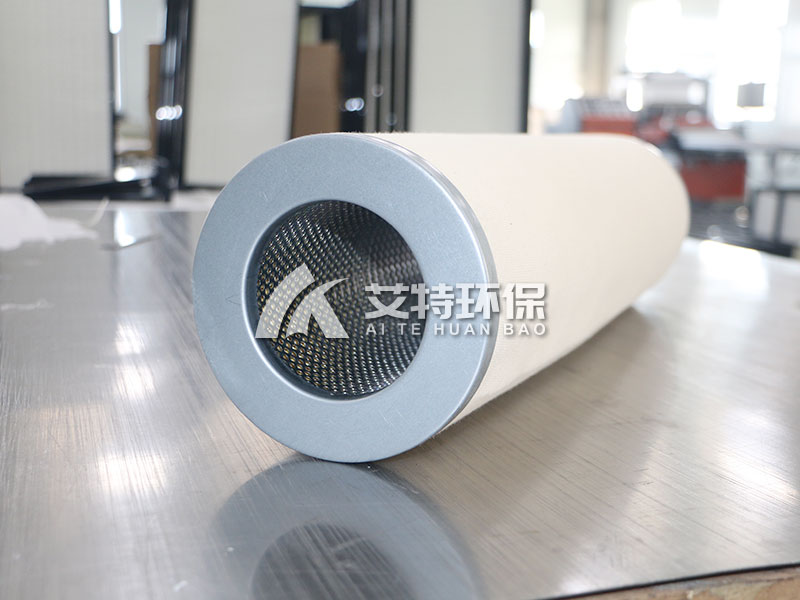
Natural gas filter
Similar ProductsVIEW MORE >
WhatsApp / Wechat: +8613273719759
Factory Address: Zhengshang Navigation Square, South Hanghai Road, Erqi District, Zhengzhou City, Henan Province P.R.China.


 Export01@aiteeps.com
 ++8613273719759
