
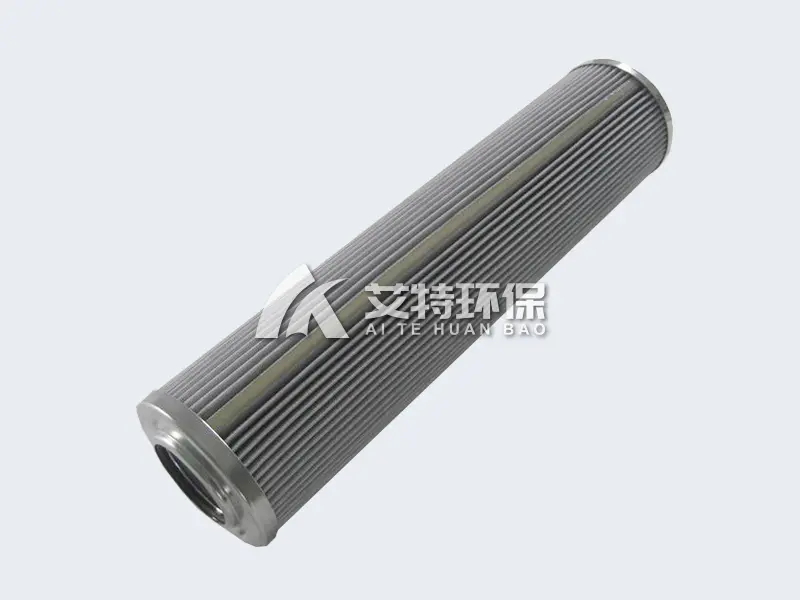
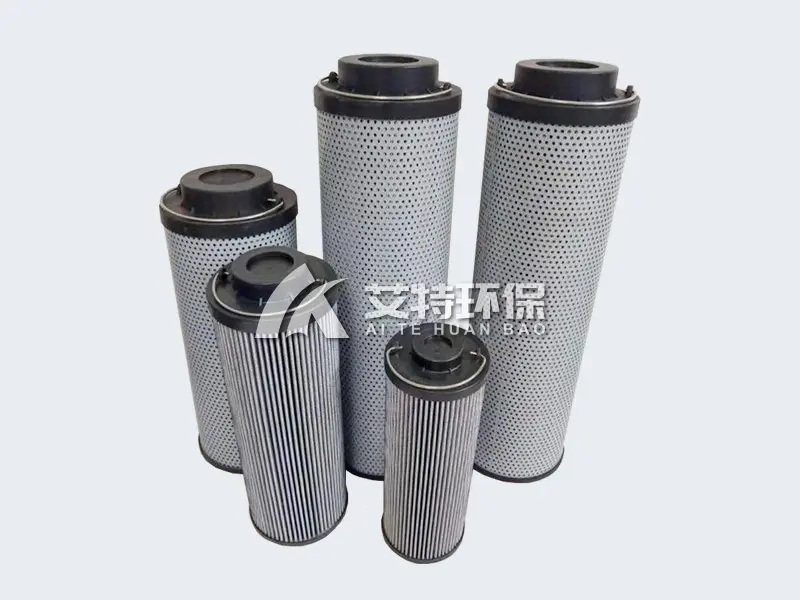
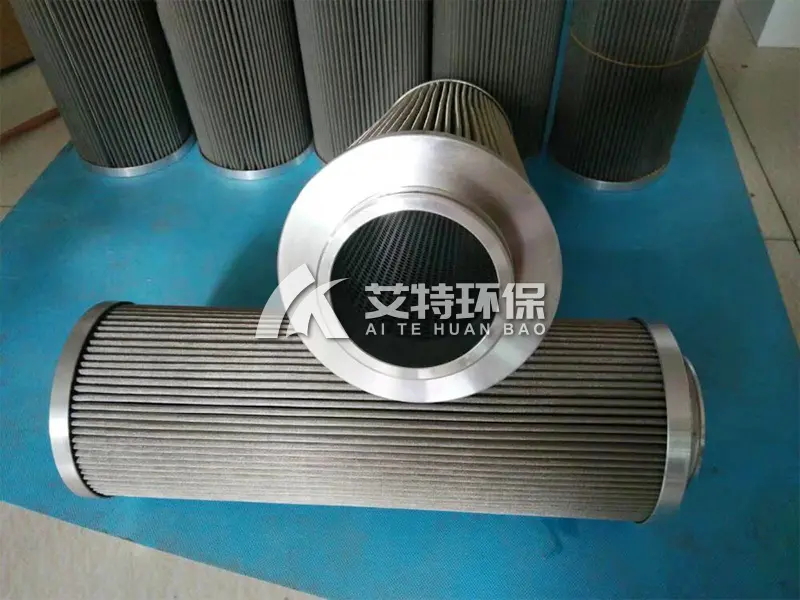
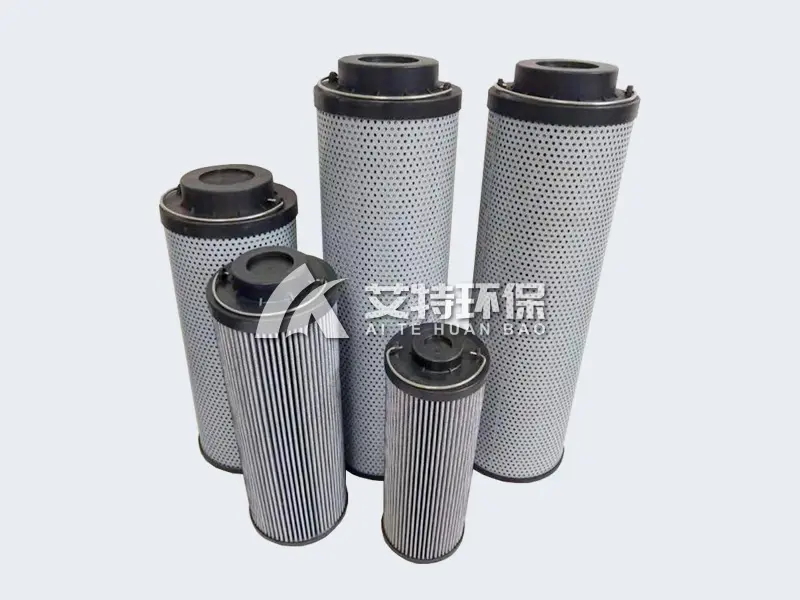
R920007668 filter element is an indispensable part of the pipeline series of the transmission medium. It is usually installed in the inlet filter of the hydraulic system. This filter element is used to clean the hydraulic oil and filter out the metal particles and pollution impurities in the fluid medium to protect the normal work of the equipment.
The R920007668 filter element is an essential component in pipeline systems for fluid transmission media.
Typically installed in the inlet filter of hydraulic systems, this filter element is designed to clean hydraulic oil and
remove metal particles, abrasive dust, and other contamination impurities from the fluid medium—ensuring the normal,
reliable operation of downstream equipment.
As a high-performance filtration solution, the R920007668 combines advanced media technology with robust structural
design to deliver consistent filtration efficiency across a broad spectrum of operating conditions. Its versatility extends
beyond hydraulic applications to pharmaceutical, food and beverage, petrochemical, electronics, and chemical processing
industries.
2. Technical Specifications
Parameter Specification
Model R920007668
Medium General hydraulic oil
Operating pressure 21 bar – 210 bar (300 – 3,000 psi)
Filtration precision 1 μm – 100 μm (multiple grades available)
Operating temperature –30°C to +100°C
Sealing material Fluororubber (FKM) / Nitrile rubber (NBR)
Filter media Hydrophobic & oleophobic fiber (U.S. origin)
Filter framework High-strength, corrosion-resistant reinforced nylon
End cap material Corrosion-resistant reinforced nylon
3. Product Characteristics
3.1 Superior Air Permeability
The filter element utilizes advanced fiber filter media with strong hydrophobic and oleophobic properties, sourced from the
United States. This media is combined with a high-permeability, high-strength framework that minimizes flow resistance
while maintaining structural integrity. The result is efficient filtration with low pressure drop, reducing energy consumption
and system load.
3.2 Excellent Filterability
The element incorporates fine-porous sponge media (German technology) that effectively prevents oil and water from
being carried away by high-velocity airflow. As fluid passes through, small oil droplets are captured and coalesced within
the sponge structure, gathering at the lower end of the filter element and eventually settling to the bottom of the filter
housing for easy removal. This design ensures comprehensive separation of both solid and liquid contaminants.
3.3 Reliable Air Tightness
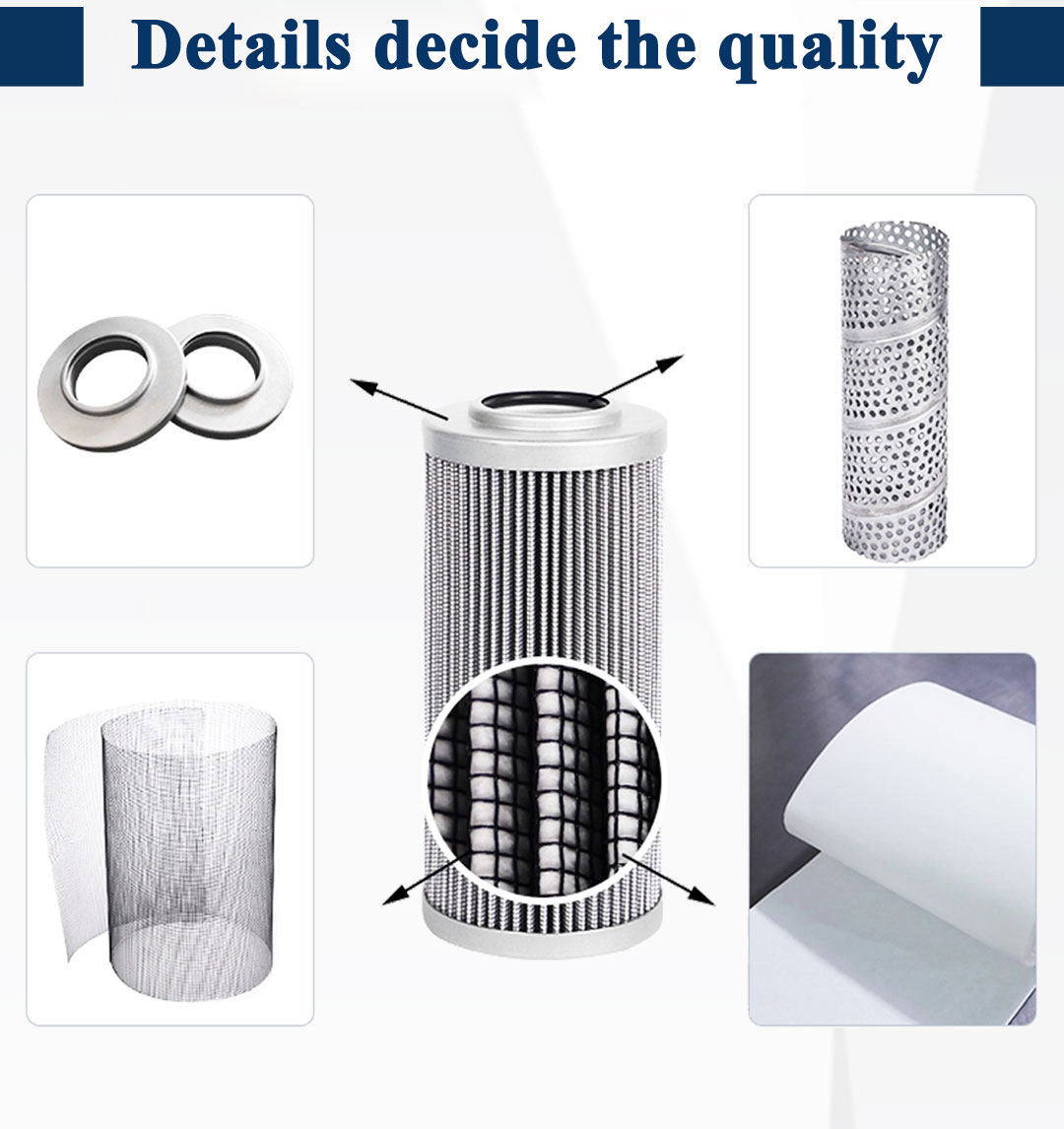
The interface between the filter element and the filter housing is sealed with high-performance O-rings that ensure zero
bypass leakage. This air-tight sealing prevents airflow short-circuiting and ensures that all fluid passes through the filter media,
effectively blocking contaminants from directly entering downstream components without proper filtration.
3.4 Corrosion Resistance
The filter element features a corrosion-resistant reinforced nylon end cap and corrosion-resistant filter framework.
This robust construction enables reliable operation in harsh working conditions, including exposure to moisture, chemicals,
and temperature fluctuations. The nylon material provides excellent dimensional stability and chemical resistance,
extending service life in demanding environments.
3.5 High Dirt-Holding Capacity
The pleated design maximizes filtration surface area within a compact element volume, providing extended dirt-holding
capacity and longer service intervals. This reduces maintenance frequency and lowers overall operating costs.
3.6 Temperature & Pressure Stability
Engineered to withstand operating temperatures from –30°C to +100°C and pressures up to 210 bar, the R920007668 maintains
stable filtration performance across a wide range of hydraulic and process conditions.
4. Applications
Hydraulic & Lubrication Systems
· Removes particulate contaminants from hydraulic circuits
· Protects pumps, valves, actuators, and precision components from abrasive wear
· Installed in pressure lines, return lines, and inlet filtration positions
· Ensures normal system operation and extended equipment life
Pharmaceutical Industry
· Pre-filtration of various antibiotic solutions and pharmaceutical liquids
· Sterile filtration preparation
· Purification of process water and injection-grade water
Food & Beverage Industry
· Filtration of wine, beer, and spirits
· Mineral water and drinking water purification
· Beverage production and bottling line pre-filtration
Oil & Petrochemical Industry
· Oilfield waterflood filtration for enhanced oil recovery
· Refinery process fluid clarification
· Pipeline protection for pumps and compressors
Electronics Industry
· High-purity water pre-filtration for semiconductor manufacturing
· Process chemical filtration
· Ultra-pure water loop protection
Chemical Industry
· Filtration of organic solvents, acids, and alkaline solutions
· Chemical intermediate purification
· Corrosive fluid handling applications
5. Quality & Compliance
The R920007668 filter element is manufactured in accordance with internationally recognized standards, ensuring consistent
quality and reliable performance. Each production batch undergoes rigorous testing, including:
· Dimensional verification
· Burst pressure testing
· Media integrity inspection
· Flow vs. differential pressure characterization
6. Installation & Maintenance Guidelines
Installation
1. Verify the element model matches your filter housing specifications
2. Inspect sealing O-rings for damage or deformation before installation
3. Ensure the filter housing interior is clean and free of debris
4. Insert the element carefully to avoid damaging the pleated media
5. Tighten end caps to the recommended torque specification
6. Check for proper sealing after installation
Maintenance
1. Differential Pressure Monitoring – Replace the element when differential pressure reaches the recommended change-out
value (typically 1.5–2.5× initial clean pressure drop)
2. Regular Inspection – Visually inspect seals and media for damage during scheduled maintenance
3. Proper Storage – Store spare elements in a cool, dry environment, in original packaging until installation
4. Service Record Keeping – Maintain installation and replacement logs to track performance trends and optimize maintenance
schedules
7. FAQ (Frequently Asked Questions)
Q1: What is the R920007668 filter element used for?
A: The R920007668 is a versatile filter element used primarily in hydraulic and lubrication systems to remove particulate
contaminants. It also serves pharmaceutical, food and beverage, oil, electronics, and chemical industries for liquid pre-filtration
and purification applications.
Q2: What filtration precision options are available?
A: The R920007668 series offers precision grades from 1μm to 100μm. Please specify your application's cleanliness
requirements when ordering to ensure optimal performance.
Q3: What is the maximum operating pressure for this filter element?
A: The operating pressure range is 21 bar to 210 bar (300 to 3,000 psi), accommodating most industrial hydraulic and process
systems.
Q4: Are the filter elements washable and reusable?
A: No. The r920007668 filter elements are disposable and should be replaced when clogged. Attempting to clean them may
damage the delicate fiber media and compromise filtration efficiency.
Q5: What is the difference between FKM (fluororubber) and NBR (nitrile) seals?
A: FKM seals offer superior high-temperature resistance and chemical compatibility, suitable for demanding applications.
NBR seals are cost-effective for general hydraulic oil applications at standard temperatures. Choose based on your operating
conditions.
Q6: Can this filter element be used with synthetic hydraulic fluids?
A: Yes, but media and seal compatibility should be verified for specific synthetic formulations. Please consult our technical
team with your fluid specifications.
Q7: How often should the filter element be replaced?
A: Replacement intervals depend on system contamination levels and operating hours. Monitor the differential pressure
indicator—when pressure drop reaches the recommended change-out value, replacement is required. Under normal conditions,
elements typically last 6–12 months.
Q8: What does the hydrophobic and oleophobic media do?
A: This specialized media repels both water and oil droplets, preventing them from being carried downstream by high-velocity
airflow while still allowing efficient particle capture. This is critical for applications where liquid carryover must be minimized.
Q9: Is this element compatible with high-viscosity fluids?
A: Yes, but initial pressure drop will be higher with increased viscosity. For high-viscosity applications, we recommend selecting
a coarser precision grade and consulting our technical team for flow optimization.
Q10: What industries commonly use this filter element?
A: The R920007668 is used in hydraulic systems, pharmaceutical manufacturing, food and beverage processing, oilfield
operations, electronics manufacturing, and chemical processing—any application requiring reliable particulate removal from
liquids.
Q11: What is the temperature rating of this filter element?
A: The continuous operating temperature range is –30°C to +100°C. For high-temperature applications exceeding 100°C,
specialty media options are available upon request.
Q12: Can this element be retrofitted into existing filter housings?
A: Yes. The R920007668 is designed to standard dimensions compatible with most common filter housings. Please confirm your
housing specifications and installation dimensions before ordering.
Q13: What quality certifications do your filter elements meet?
A: Our elements are manufactured to meet or exceed applicable ISO standards. Factory test reports, material certificates,
and dimensional inspection records are available upon request.
Q14: How is the filter element constructed to prevent bypass leakage?
A: Precision-molded sealing grooves and high-performance rubber O-rings create a tight seal between the element and housing.
This prevents unfiltered fluid from bypassing the media and entering downstream components.
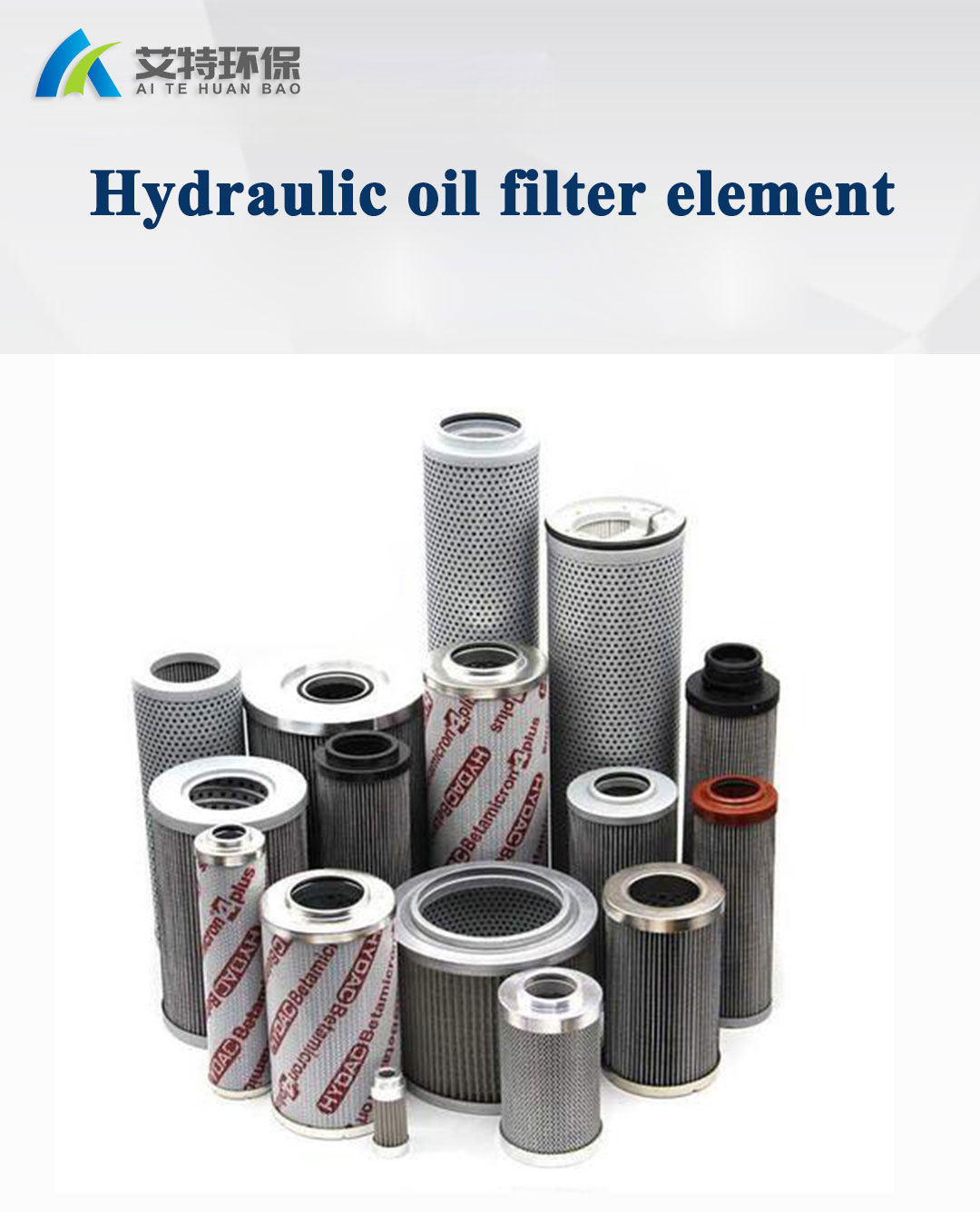
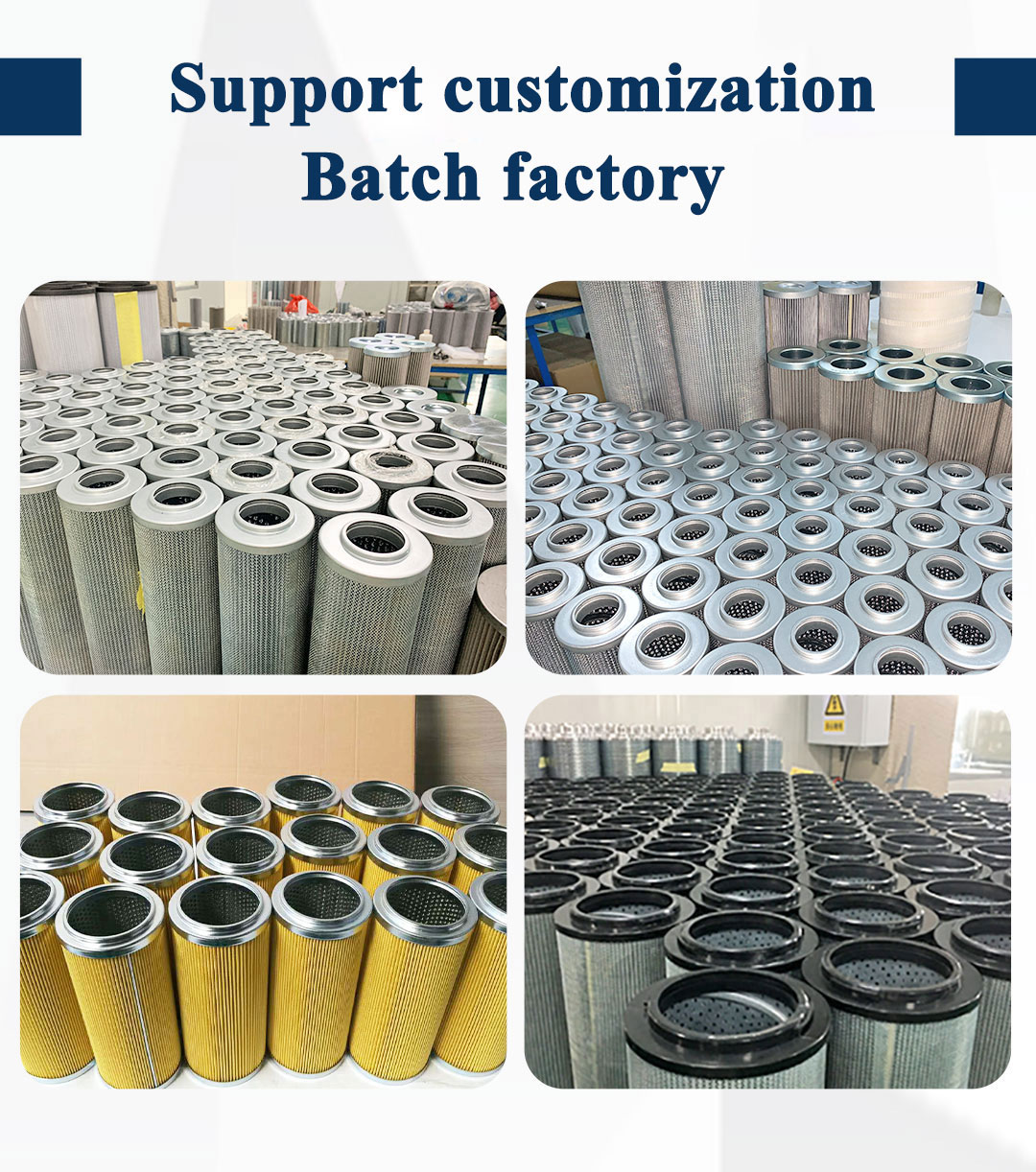
R920007668 filter element
Similar ProductsVIEW MORE >
WhatsApp / Wechat: +8613273719759
Factory Address: Zhengshang Navigation Square, South Hanghai Road, Erqi District, Zhengzhou City, Henan Province P.R.China.


 Export01@aiteeps.com
 ++8613273719759
