
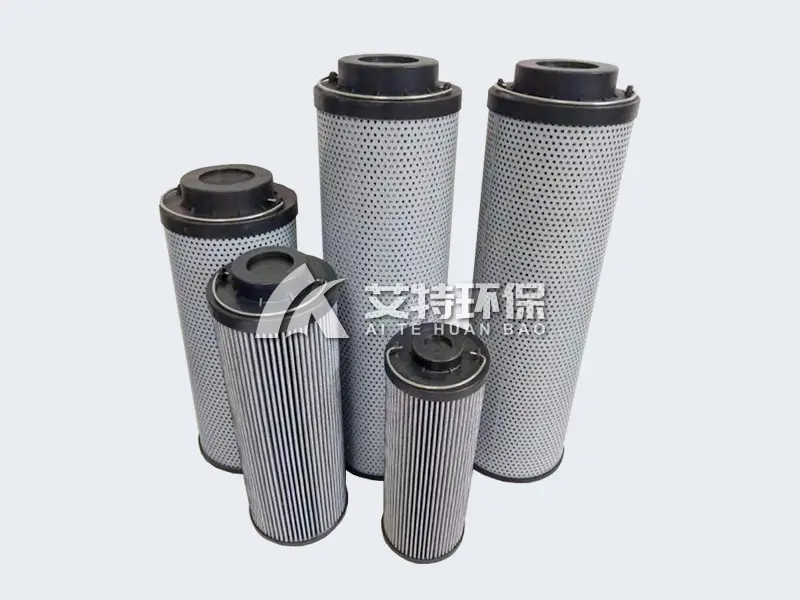
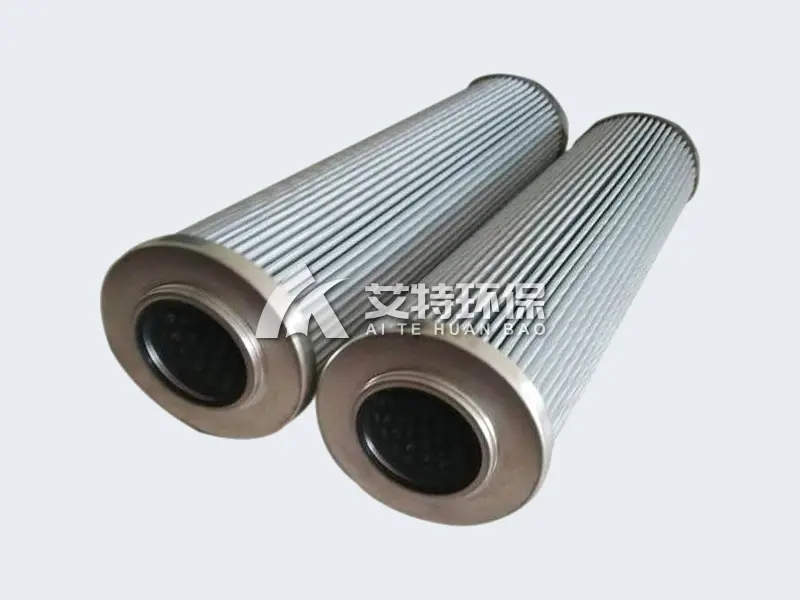
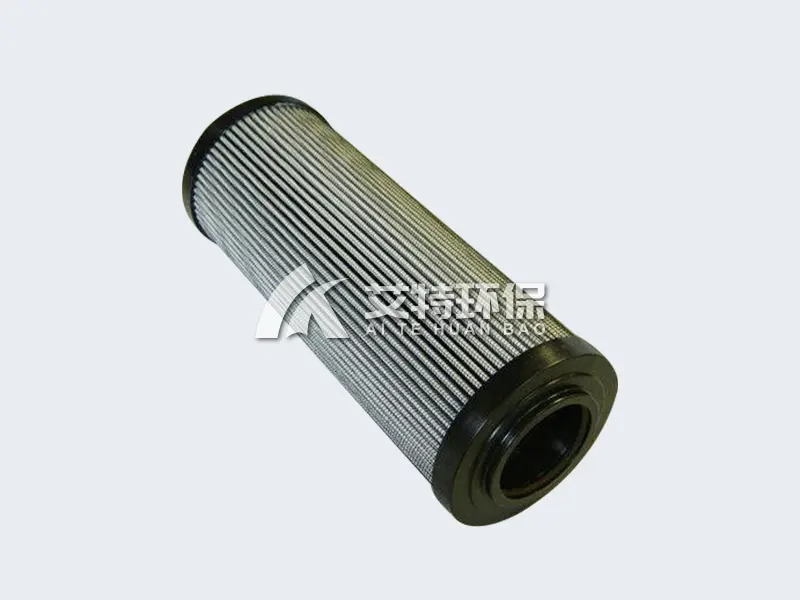
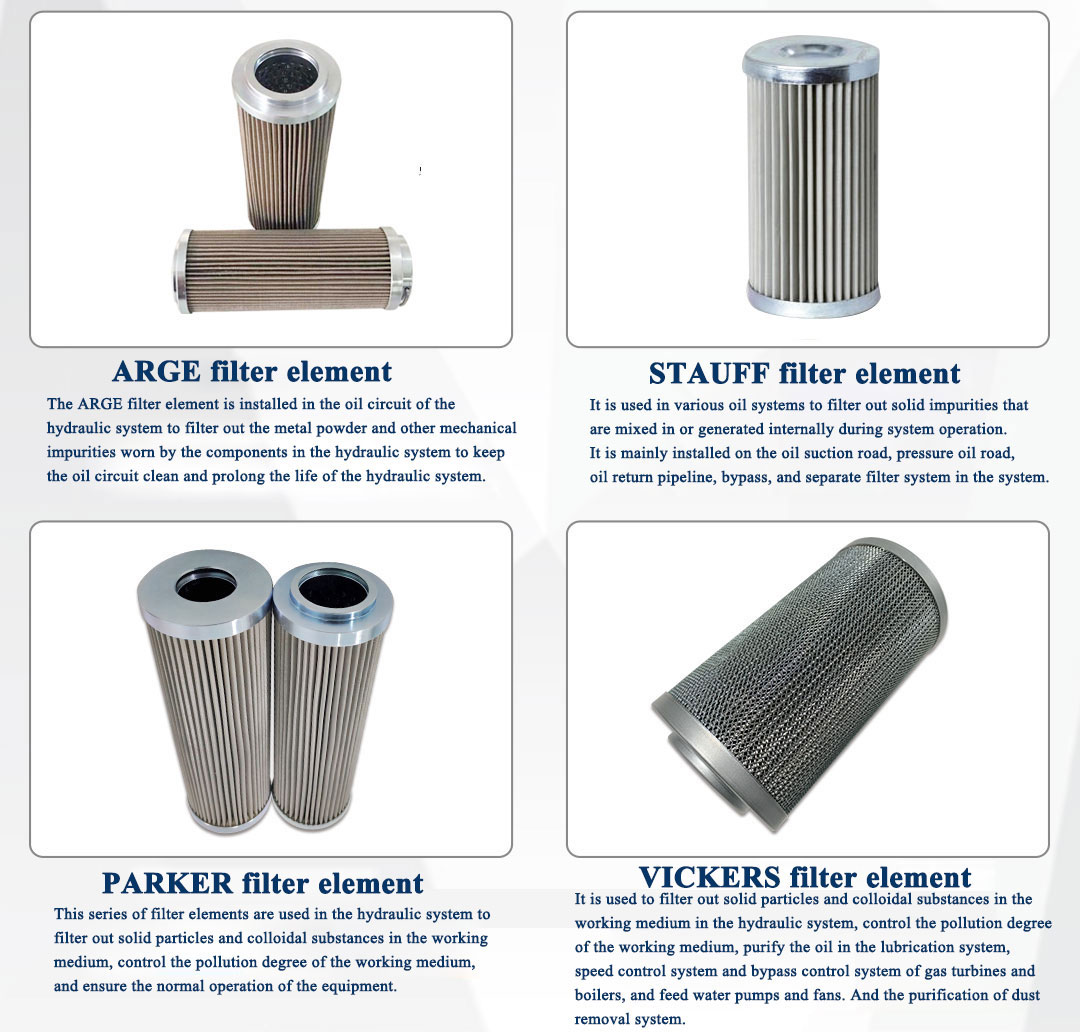
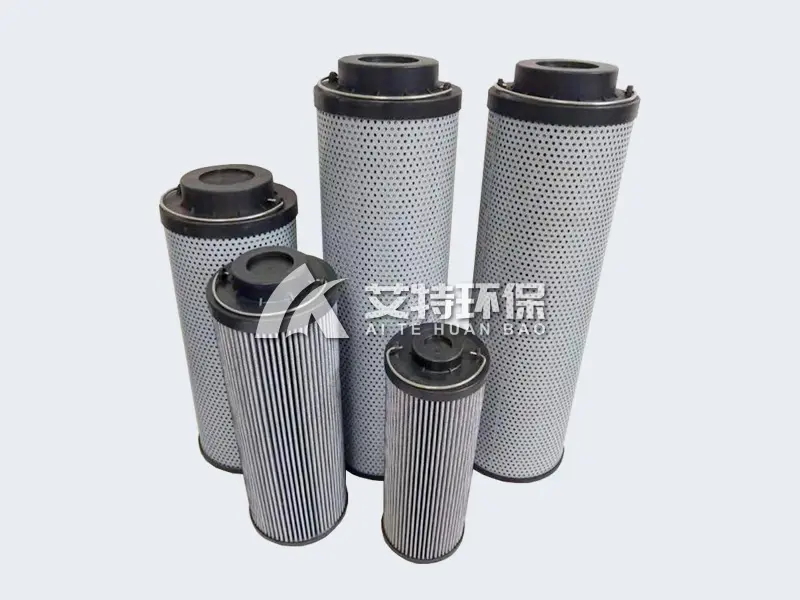
R920016827 filter element is an indispensable part of the pipeline series of the transmission medium. It is usually installed in the inlet filter of the hydraulic system.
The R920016827 filter element is a critical component in the pipeline series of fluid transmission systems. Typically installed
at the inlet filter of hydraulic systems, this element is specifically designed to clean hydraulic oil by removing metallic particles,
abrasive contaminants, and colloidal impurities from the fluid medium. By doing so, it ensures the reliable and uninterrupted
operation of downstream equipment—including pumps, valves, actuators, and servo mechanisms—while significantly
extending their service life and reducing unplanned downtime.
In today's demanding industrial environments, hydraulic systems are subjected to a wide range of contaminants,
from internally generated wear debris to externally ingressed dust and moisture. Even minute particles can cause abrasive wear,
orifice blockage, valve stiction, and premature fluid degradation. The R920016827 addresses these challenges through its
advanced media selection, robust structural design, and rigorous quality control, delivering consistent filtration performance
across a broad spectrum of operating conditions and applications.
Advanced Media and Structural Design
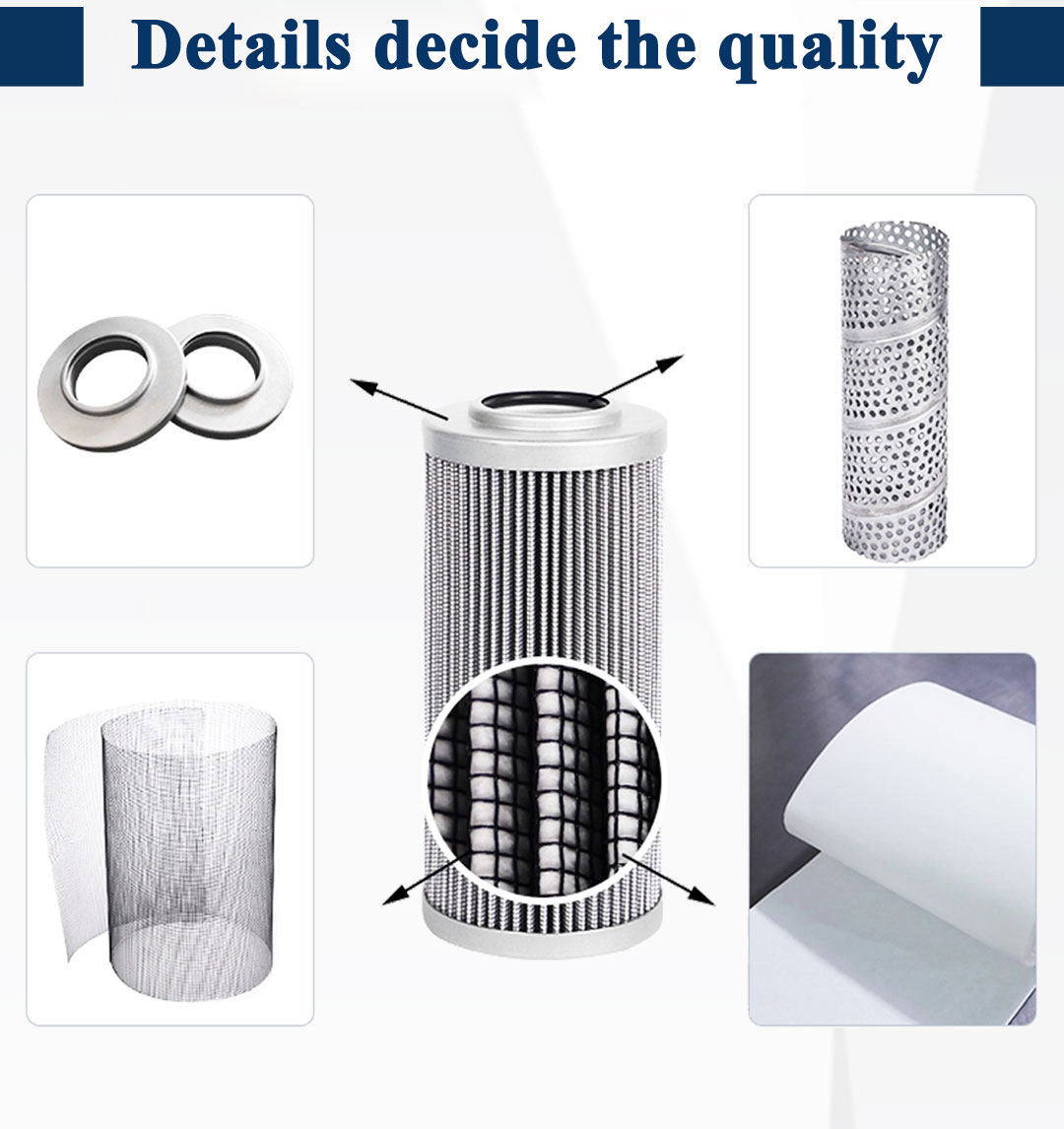
The R920016827 filter element incorporates a multi-layered filtration architecture that combines three key functional
components:
1. Filtration Media – The element utilizes premium-grade fiber filter material sourced from the United States, featuring strong
hydrophobic and oleophobic properties. This advanced media effectively repels water and oil while allowing air and fluid to
pass through with minimal resistance. The fiber structure is designed to capture contaminants throughout the media depth,
maximizing dirt-holding capacity and extending service life.
2. Fine Porous Sponge Layer – Imported from Germany, this fine-pored sponge serves as a coalescing and separation layer.
It effectively prevents oil mist and entrained water droplets from being carried away by high-velocity airflow or fluid flow.
Small oil droplets that migrate downstream are coalesced on the sponge surface and guided to the lower end of the filter
element, where they are collected and drained from the filter housing—ensuring that the outlet fluid remains clean and dry.
3. Support Framework – The element features a high-strength, corrosion-resistant skeleton constructed with excellent
permeability. This framework minimizes flow resistance while maintaining structural integrity under differential pressure
conditions, ensuring consistent performance even during system pressure fluctuations.
Product Parameters
Parameter Specification
Working medium General hydraulic oil (mineral-based)
Working pressure 21 ~ 210 bar (2.1 ~ 21.0 MPa)
Filtration accuracy 1 ~ 100 μm (available in multiple grades)
Operating temperature -30°C ~ +100°C
Sealing material Fluoroelastomer (FKM) O-ring, butyl rubber (IIR) seals
Flow direction Inside-out or outside-in (housing dependent)
End cap material Corrosion-resistant reinforced nylon
Filter skeleton Anti-corrosion coated steel or stainless steel
Bypass valve Optional, available upon request
Key Performance Characteristics
The R920016827 filter element is engineered to deliver superior operational performance, characterized by the following
advantages:
1. Excellent air permeability – The US-sourced hydrophobic and oleophobic fiber media, combined with the high-permeability
framework, significantly reduces flow resistance and pressure drop. This ensures efficient fluid transmission while minimizing
energy consumption and heat generation within the system.
2. Superior filtration efficiency – The German fine-pored sponge layer effectively captures oil mist and water aerosols that
would otherwise bypass the primary media. This dual-stage separation mechanism ensures that even sub-micron droplets
are removed from the fluid stream, delivering exceptionally clean output.
3. Outstanding air tightness – The junction between the filter element and the housing is sealed with a reliable O-ring sealing
system (FKM or butyl rubber). This prevents airflow or fluid flow from short-circuiting around the element, ensuring that all
media passes through the filtration layers. This design also prevents unfiltered contaminants from entering the downstream
system, maintaining consistent cleanliness levels.
4. Corrosion resistance – The element incorporates reinforced nylon end caps and a corrosion-protected filter skeleton,
both of which are engineered to withstand harsh operating conditions, including high humidity, chemical exposure,
and temperature extremes. This robust construction ensures long service life even in demanding environments such as
offshore platforms, chemical plants, and outdoor construction sites.
5. Long service life – The combination of high dirt-holding capacity, low pressure drop, and corrosion-resistant materials
extends replacement intervals, reducing maintenance frequency and lowering total cost of ownership.
Quality Assurance and Standards
Each R920016827 filter element is manufactured under strict quality control in accordance with ISO 9001 standards.
Production processes include 100% visual inspection, bubble-point integrity testing, burst pressure validation,
and dimensional verification. The element design also complies with relevant ISO 3724 fatigue resistance standards,
ensuring reliable performance under cyclic pressure loading and pulsed flow conditions.
Application Fields
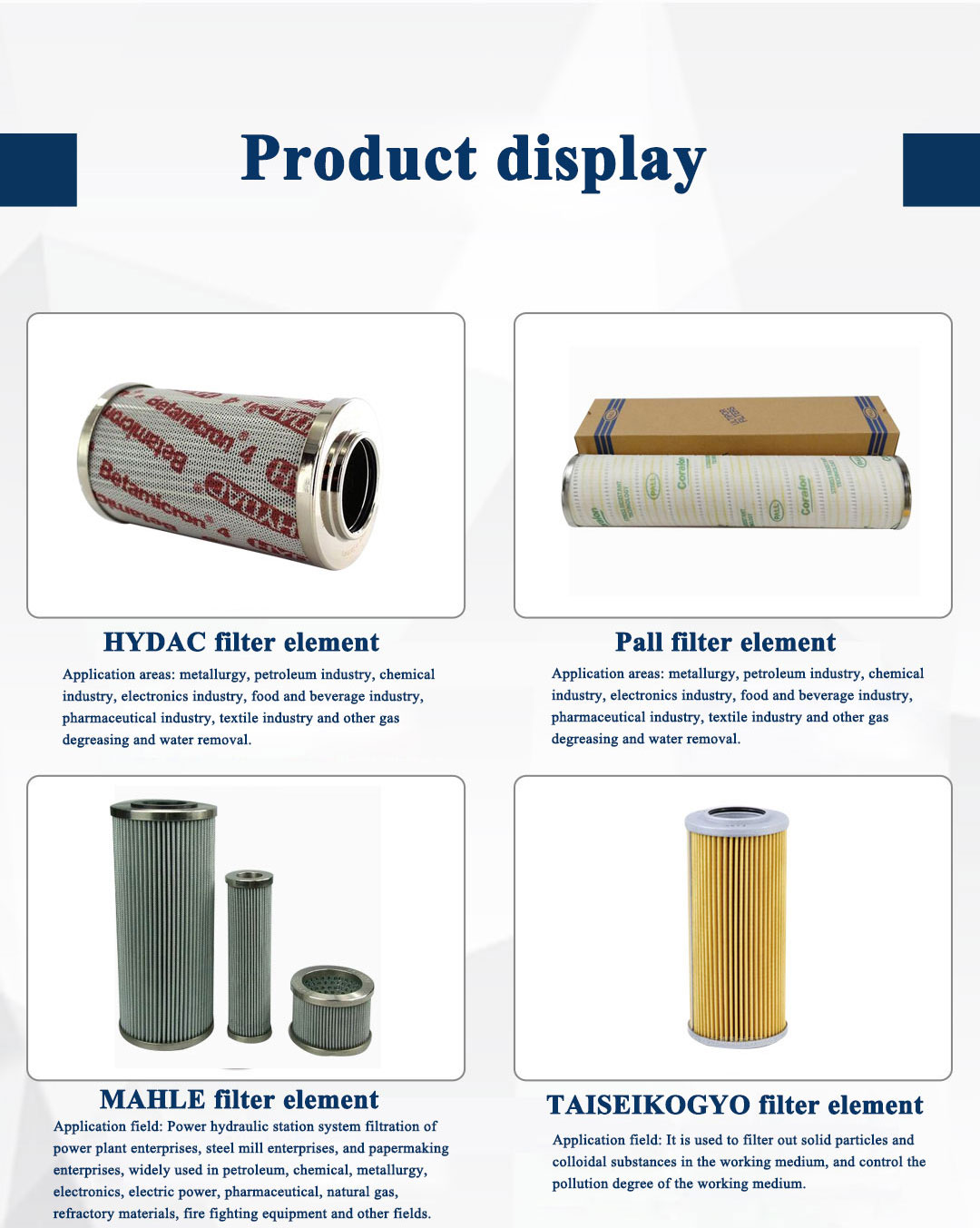
The R920016827 filter element serves a diverse range of industries and applications, including:
· Hydraulic and Lubrication Systems – General pressure oil filtration to remove contaminants and ensure system reliability
in industrial machinery, mobile equipment, and marine applications.
· Pharmaceutical Industry – Pre-filtration of antibiotics, injectable solutions, and other liquid pharmaceuticals where
sterility and particle control are critical to product safety and efficacy.
· Food and Beverage Industry – Filtration of wine, mineral water, drinking water, fruit juices, and other consumable liquids
to meet hygiene standards and ensure product clarity and purity.
· Oil and Petrochemical Industry – Oilfield waterflood filtration, produced water treatment, and particle removal from
hydrocarbon streams to protect downstream processing equipment.
· Electronics Industry – High-purity water pre-filtration for semiconductor manufacturing, circuit board washing, and
ultrapure water systems, where even trace contaminants can cause product defects.
· Chemical Industry – Filtration of organic solvents, acids, alkaline solutions, and other aggressive chemicals, where media
and sealing material compatibility are paramount.
Frequently Asked Questions (FAQ)
Q1: What is the recommended replacement interval for the R920016827?
A: Replacement frequency depends on system contamination levels, operating pressure, flow rate, and fluid condition.
We recommend monitoring the differential pressure (ΔP) across the element. Replace when ΔP reaches 80% of the bypass
valve setting (typically 1.5~2.0 bar for standard configurations). In typical industrial environments, this may range from 6 to
12 months; in high-contaminant or heavy-duty applications, more frequent changes may be required.
Q2: Can the R920016827 filter element be cleaned and reused?
A: No. The hydrophobic/oleophobic fiber media and the fine-pored sponge layer are depth-type, single-use components.
Cleaning methods such as backwashing, chemical soaking, or compressed air blowing will damage the fiber structure,
alter pore sizes, and compromise filtration efficiency. Reusing a cleaned element risks media migration, seal degradation,
and downstream contamination. Always replace with a new, genuine element.
Q3: What is the difference between FKM and butyl rubber seals, and which is better?
A: FKM (fluoroelastomer) offers excellent resistance to high temperatures, mineral oils, and many chemicals, making it ideal
for most hydraulic applications. Butyl rubber (IIR) provides outstanding resistance to moisture, steam, and polar fluids,
and is often preferred for applications involving water-glycol emulsions or high-humidity environments. Both seal options are
available; please specify your fluid type and operating conditions when ordering.
Q4: What does "1μ-100μ" mean in the filtration accuracy specification?
A: This indicates that the R920016827 is available in multiple filtration grades ranging from 1 micrometer to 100 micrometers
absolute. The specific grade selected depends on the system's cleanliness requirements and component clearances.
For example, servo-valve systems typically require 3~6 μm, while general industrial hydraulics can use 10~25 μm. Please
consult our application engineers for grade selection assistance.
Q5: What fluids are compatible with this filter element?
A: The standard R920016827 is compatible with mineral-based hydraulic oils. For phosphate ester fluids, high-water-content
emulsions, synthetic esters, or aggressive chemical solutions (acids, alkalis, organic solvents), please contact our technical
team to confirm media and seal material compatibility. Custom variants with alternative seal materials (EPDM, PTFE, etc.)
are available upon request.
Q6: Does the element include an integrated bypass valve?
A: This depends on the specific housing configuration. Some filter assemblies include an external or internal bypass valve;
the element itself may or may not contain one. Bypass valves are designed to open when the element becomes fully clogged,
allowing fluid to flow and preventing system starvation. However, bypass operation should be avoided as it permits unfiltered
fluid downstream. Please specify your requirements when ordering.
Q7: What is the significance of the hydrophobic and oleophobic properties?
A: Hydrophobic (water-repelling) and oleophobic (oil-repelling) properties are critical for applications where moisture and oil
aerosols are present. These properties prevent water droplets and oil mist from wetting the media surface, reducing flow
resistance and preventing premature clogging. The coalesced droplets are then directed to the lower section of the housing
for drainage, ensuring that only clean, dry fluid continues downstream.
Q8: Can the R920016827 be used in applications with pulsating flow or pressure spikes?
A: Yes. The element is designed and validated in accordance with ISO 3724 fatigue resistance standards, which verify
performance under cyclic pressure loading and pulsed flow conditions. The reinforced nylon end caps, corrosion-resistant
skeleton, and robust pleat bonding ensure structural integrity even under challenging operating conditions.
Q9: How do I identify genuine R920016827 elements and avoid counterfeits?
A: Genuine elements are marked with laser-etched part numbers, batch codes, and quality certification labels. Each element
includes a test certificate showing bubble-point integrity, burst pressure, and flow-versus-pressure-drop performance.
We strongly recommend purchasing from authorized distributors or directly from the factory to avoid counterfeit products
that may compromise system safety and performance.
For further technical support, custom media selection, dimensional modifications, or assistance with retrofitting existing filter
housings, please contact our engineering support team. We are committed to delivering reliable, cost-effective filtration
solutions that enhance equipment performance, extend component life, and reduce unplanned downtime across your
operations.
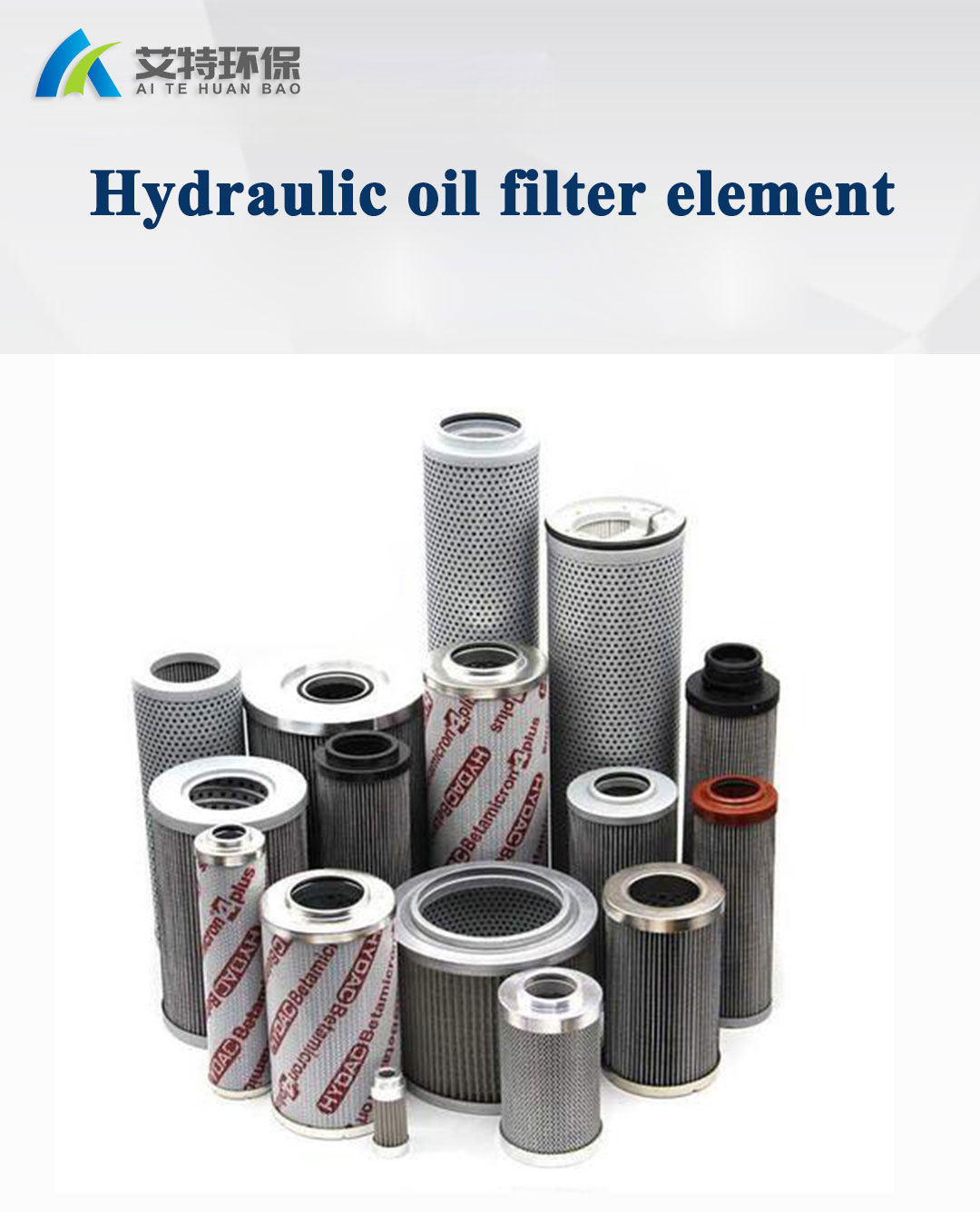
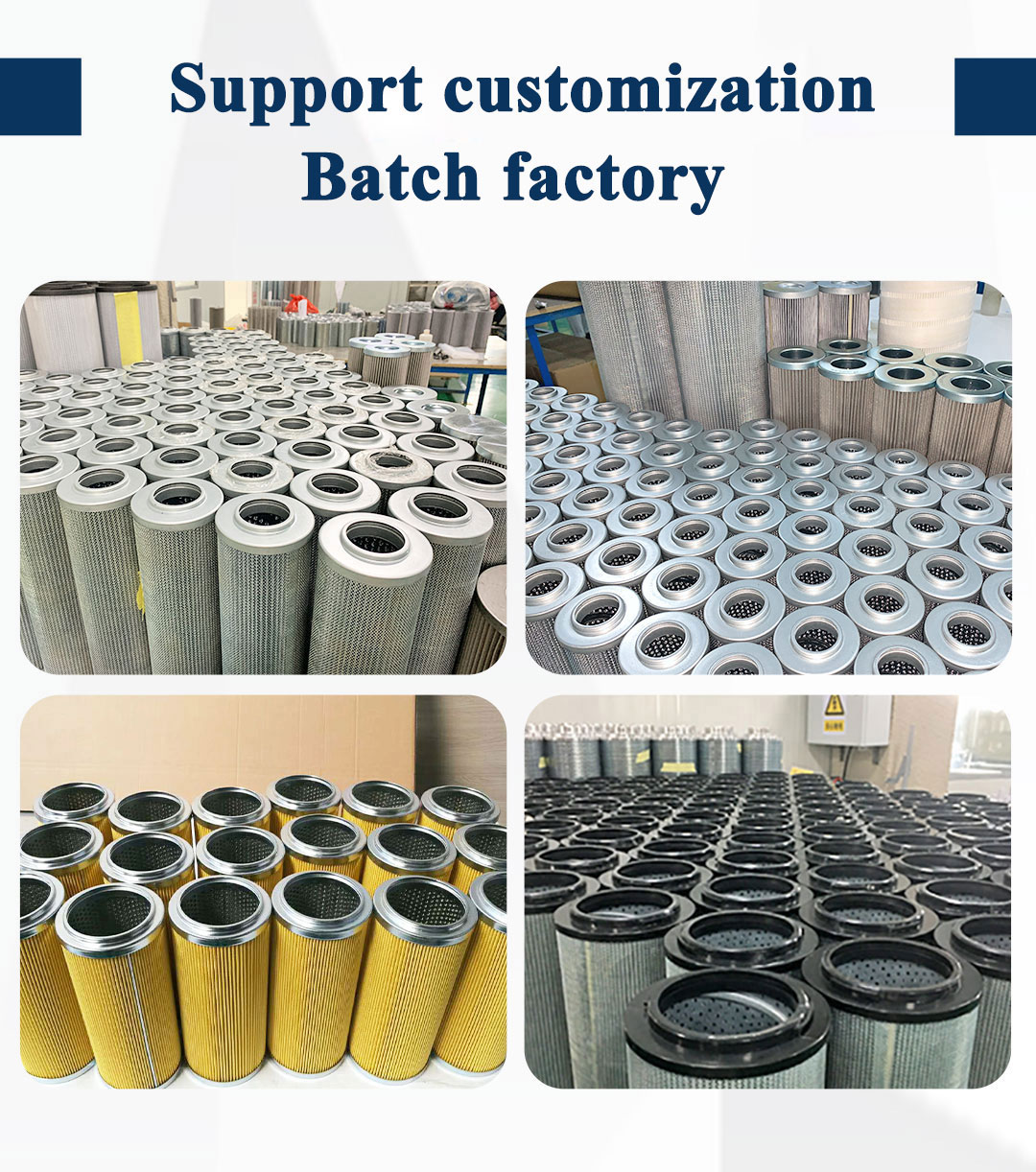
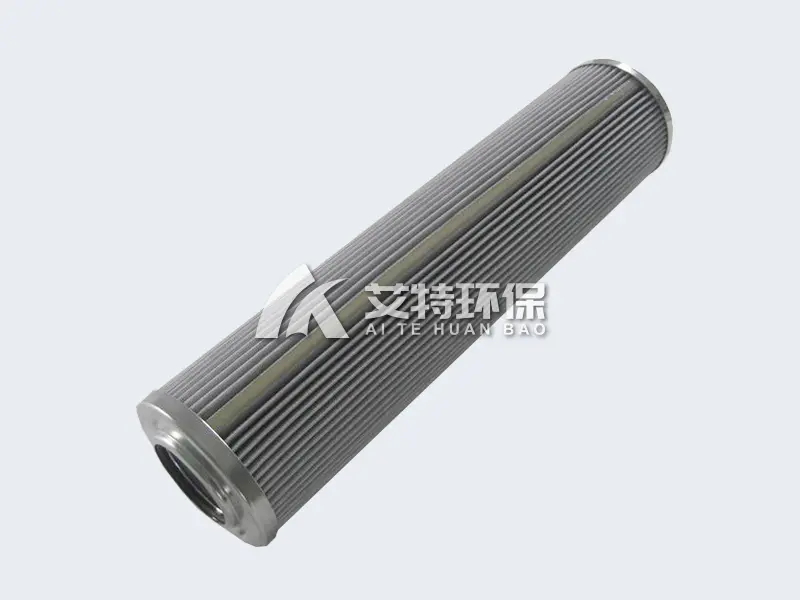
R920016827 Filter Element – High-Efficiency Filtration for Reliable Hydraulic Systems
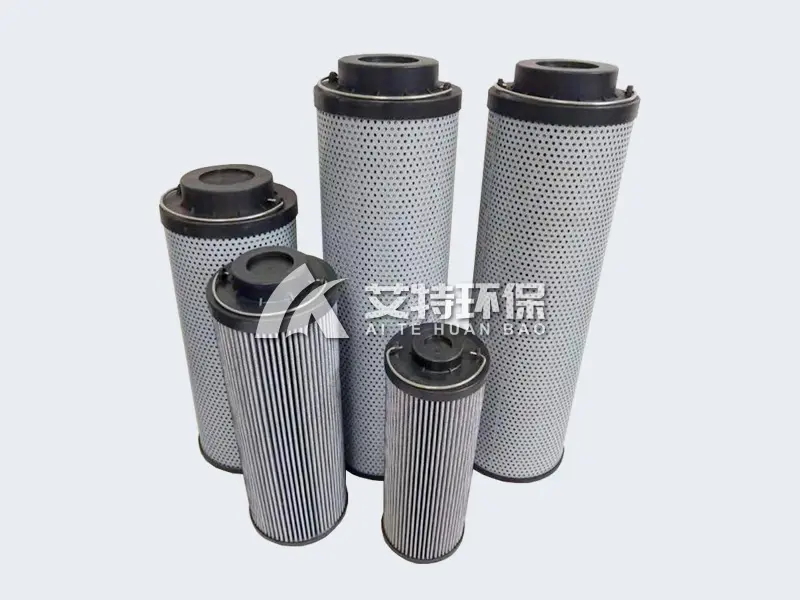
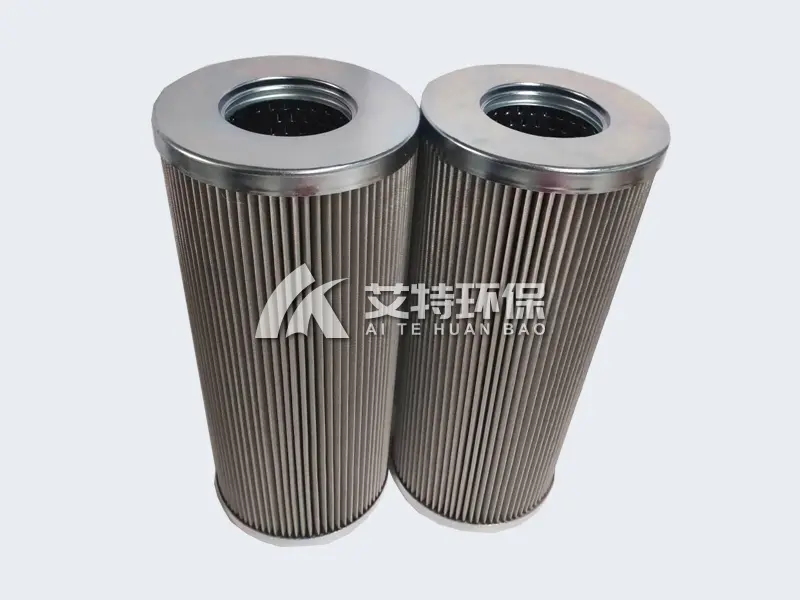
Similar ProductsVIEW MORE >
WhatsApp / Wechat: +8613273719759
Factory Address: Zhengshang Navigation Square, South Hanghai Road, Erqi District, Zhengzhou City, Henan Province P.R.China.


 Export01@aiteeps.com
 ++8613273719759
